
Trucks For Sale Near Massena, New York
Browse trucks for sale in Massena, NY, including vocational and highway models with key info on GVWR, axle setup, drivetrains, and applications.
Learn more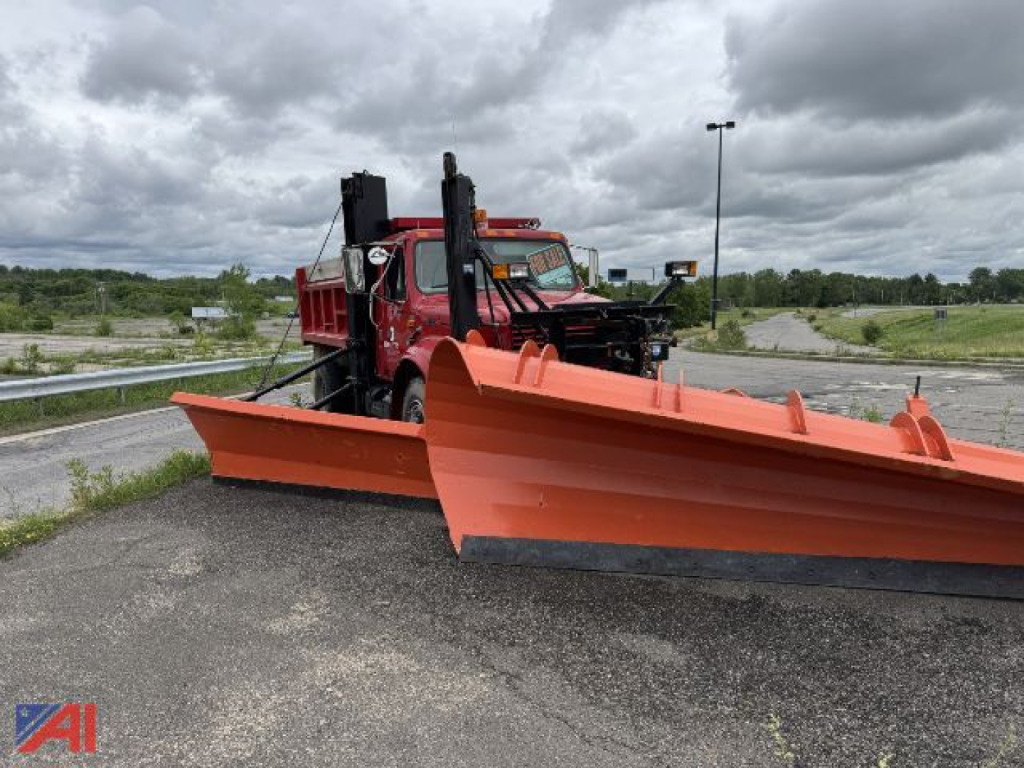
Have truck to sell? List it here to reach thousands of buyers.
About Trucks Near Massena, New York
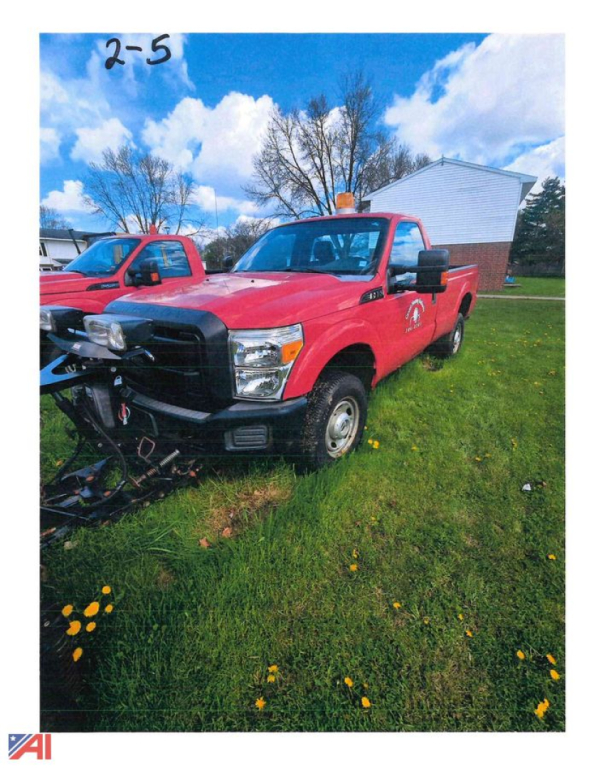
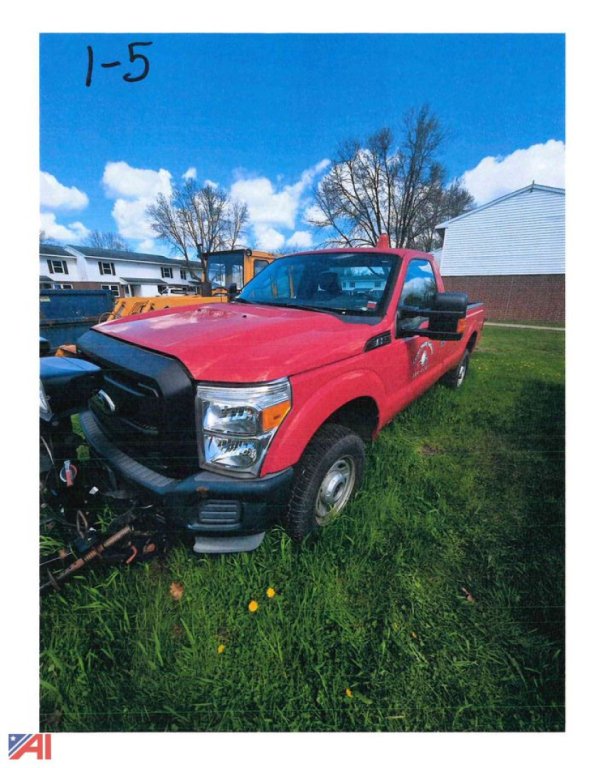
A buyer comparing trucks should start with the job first. A straight truck can be set up for delivery, landscape work, dump service, utility applications, towing, or tanker duty. Day cabs and sleeper tractors are built for regional and over-the-road hauling, with spec differences in wheelbase, fuel capacity, suspension, and rear axle ratios. Medium-duty platforms such as a GMC TopKick, International 4000 series, or Ford F-Series chassis are common in municipal fleets, fire utility service, and local commercial work because they offer strong frame rails, PTO capability, and easier maneuverability than larger Class 8 trucks.
The most important specs to compare are engine horsepower, torque, transmission type, brake system, wheelbase, suspension, and actual axle ratings. Buyers should also confirm PTO operation if the truck will run pumps, hydraulics, or auxiliary equipment. On specialty units such as tanker trucks, fire utility trucks, or service bodies, the condition of the mounted equipment matters as much as the chassis. Tank integrity, pump hours, plumbing, compartment condition, and electrical functionality can change the value of the truck significantly. Service records, engine hours, and any signs of frame rust or upfitter modifications should be reviewed closely.
For Massena-area operations, it also helps to think about route type and service support. Local delivery and municipal work usually favor durable medium-duty trucks with good visibility and tight turning radius. Long-haul or heavier GCWR requirements point buyers toward tandem-axle road tractors with higher horsepower and heavier driveline specs. If the truck will stay on secondary roads, in yards, or on mixed terrain, suspension type, locking differentials, and tire selection become more important than cab amenities. The right truck is the one whose chassis, drivetrain, and body configuration match the work cycle without carrying unnecessary weight or maintenance complexity.
Frequently Asked Questions
What should I check first when comparing used trucks for sale?
Start with the intended application and the truck’s weight ratings. GVWR, front and rear axle ratings, wheelbase, engine output, transmission, and brake type will tell you whether the truck is properly matched to the work. After that, inspect frame condition, rust, suspension wear, tire age, and service history. On vocational units, the mounted body or equipment can be just as important as the chassis.
What is the difference between a straight truck and a tractor?
A straight truck carries its body and cargo area on the same chassis, which makes it common for box trucks, dumps, tankers, utility bodies, and service trucks. A tractor is built to pull a trailer through a fifth wheel and is generally used for heavier freight and more flexible trailer combinations. The choice depends on whether the job requires a self-contained unit or interchangeable trailer capacity.
Are medium-duty trucks a good fit for municipal or utility work?
Yes. Medium-duty trucks are often a strong choice for municipal, maintenance, and utility applications because they combine stout frames, PTO capability, and manageable size. They are easier to maneuver in towns, job sites, and facilities than larger Class 8 trucks, while still supporting bodies such as dumps, tankers, service bodies, and equipment haulers. Buyers should verify body integration, hydraulic operation, and actual payload capacity before purchase.
Why does truck location matter in northern New York?
Regional climate affects truck condition in ways that directly impact operating cost. In northern New York, buyers should pay close attention to frame corrosion, cab mounts, brake lines, wiring, and fasteners because winter road treatment can accelerate rust. Cold-weather performance also matters, including block heater function, battery health, glow plug or intake heater operation where applicable, and tire suitability for seasonal conditions.