
Trucks For Sale Near Marion, New York
Browse trucks for sale in Marion, NY including dump, service, vocational, and specialty trucks with spec guidance for work, payload, and road use.
Learn more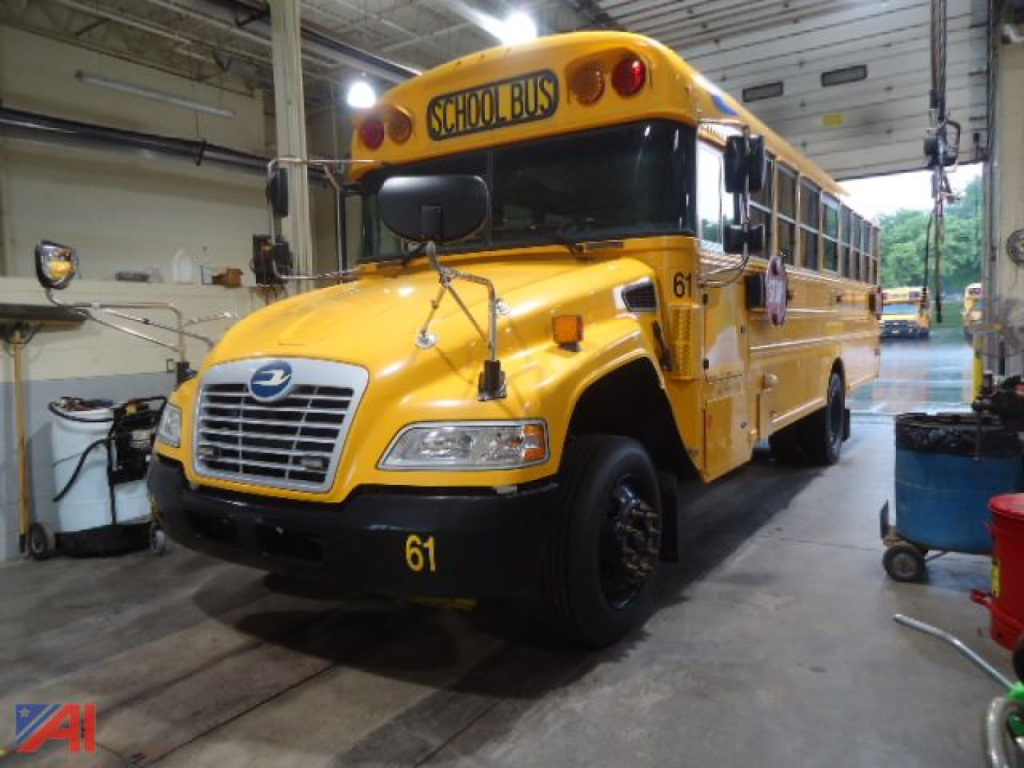

Have truck to sell? List it here to reach thousands of buyers.
About Trucks Near Marion, New York
For general truck shopping, pay close attention to engine family, transmission type, rear axle ratio, brake configuration, and suspension. In a market like upstate New York, buyers also need to consider corrosion, winter operation, and municipal-style duty cycles. Trucks used for plowing, stop-and-go work, or seasonal hauling often show wear differently than over-the-road units with higher miles but steadier service. Frame condition, crossmember rust, hydraulic function, PTO engagement, steering play, spring condition, and tire match matter as much as odometer readings. If the truck carries a body or auxiliary equipment, inspect the body mounts, hoist, pump, tank, plumbing, and electrical controls as carefully as the cab and chassis.
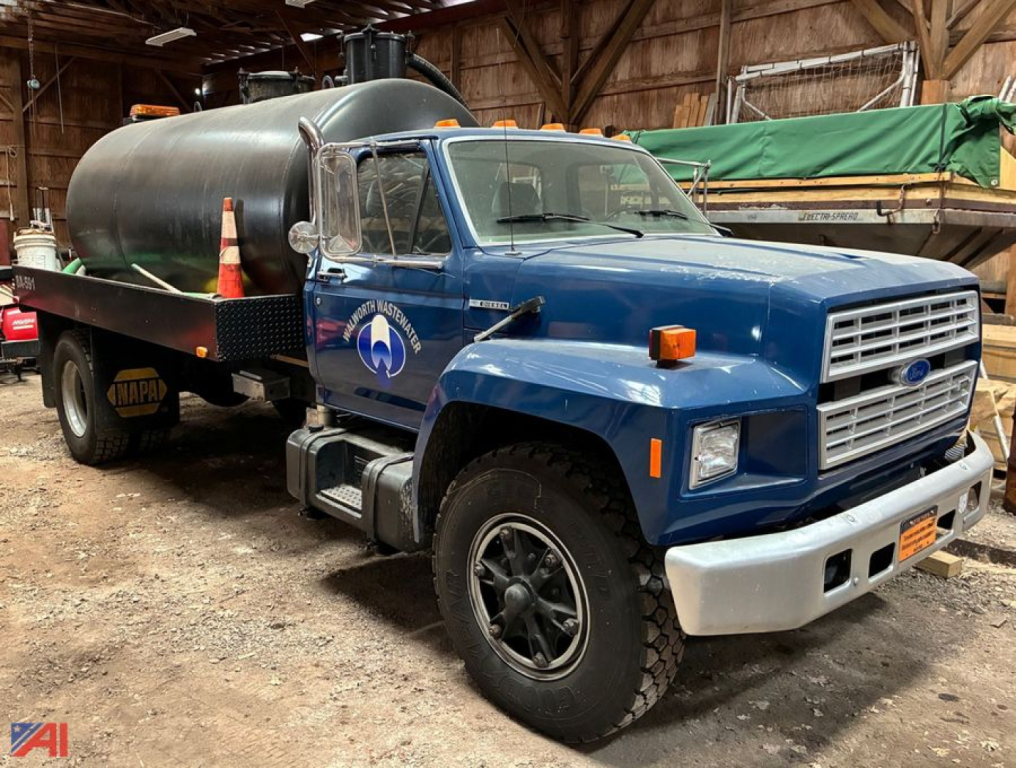
The trucks in this category can include everything from medium-duty platforms such as Ford F-650/F-750, International MV, Freightliner M2, and Kenworth T series models to specialized municipal, construction, or utility applications. Buyers comparing dump trucks should verify body material, side height, hoist type, and front axle capacity, especially if a plow, spreader, or wing setup is involved. Buyers looking at vacuum or septic trucks should confirm tank capacity, pump specifications, hose storage, and local compliance needs. Bus-based and shuttle-style trucks should be reviewed for passenger configuration, entry equipment, wheelchair accessibility, and state inspection requirements. A truck that looks clean on the listing can still be a poor fit if the wheelbase, axle spread, or PTO provisions do not support the intended body or route.
Used trucks for sale in Marion can offer strong value when the specifications line up with the work. Look for service records, idle hour information when available, and evidence of consistent preventive maintenance. On diesel units, emissions system history is important, especially on trucks that spend long periods idling or running short routes. On older vocational trucks, simplicity can be a benefit, but parts availability and brake, steering, and hydraulic condition deserve extra scrutiny. The best truck purchase is usually the one with the clearest service history, the right weight ratings, and a configuration that fits the work without expensive reengineering.
Frequently Asked Questions
What should I check first when comparing used trucks for sale?
Check the truck’s intended application against its core chassis specifications first. Gross vehicle weight rating, front and rear axle ratings, wheelbase, engine, transmission, PTO capability, and suspension setup will tell you more than appearance alone. After that, inspect frame condition, rust, brake wear, tire condition, steering components, and any body-specific equipment such as hoists, tanks, pumps, or plows.
Are medium-duty and vocational trucks different from standard road trucks?
Yes. Vocational trucks are built around task-specific work such as dumping, vacuum service, utility work, municipal maintenance, or passenger transport. They often have reinforced frames, PTO-driven hydraulics, specialized suspensions, higher front axle loads, and body equipment that changes how the truck handles and wears. A standard road-oriented truck may not have the frame, gearing, or hydraulic provisions needed for that type of work.
Why is rust inspection so important on trucks in New York?
Road salt, freeze-thaw cycles, and winter municipal work can accelerate corrosion on frames, brake lines, body mounts, wiring, and hydraulic components. Surface rust is common, but scaling around spring hangers, crossmembers, cab mounts, and body attachment points can become a structural issue. Buyers should inspect the underside carefully and pay close attention to plow trucks, dump trucks, and other units exposed to heavy winter duty.
What matters most on a used dump or specialty truck besides mileage?
Mileage is only one data point. On a dump or specialty truck, hydraulic performance, PTO operation, body integrity, axle capacity, spring condition, and evidence of overloading are often more important. A lower-mile truck that spent years in stop-and-go municipal work may show more wear in the steering, brakes, suspension, and idle-related engine systems than a higher-mile truck used more consistently on the road.
How do I know if a truck is correctly spec'd for my operation?
Match the truck to the payload, route, terrain, and body requirements of the job. Look at GVWR, axle ratings, wheelbase, cab-to-axle measurement, rear axle ratio, brake type, and whether the truck already has or can support the PTO and hydraulic systems you need. If the truck will carry a body or tow regularly, verify legal weight limits, turning radius needs, and local operating requirements before buying.