
Trucks For Sale Near Lemoyne, Pennsylvania
Browse trucks for sale in Lemoyne, PA, including dump, tow, cab and chassis, and vocational commercial trucks for work-ready applications.
Learn more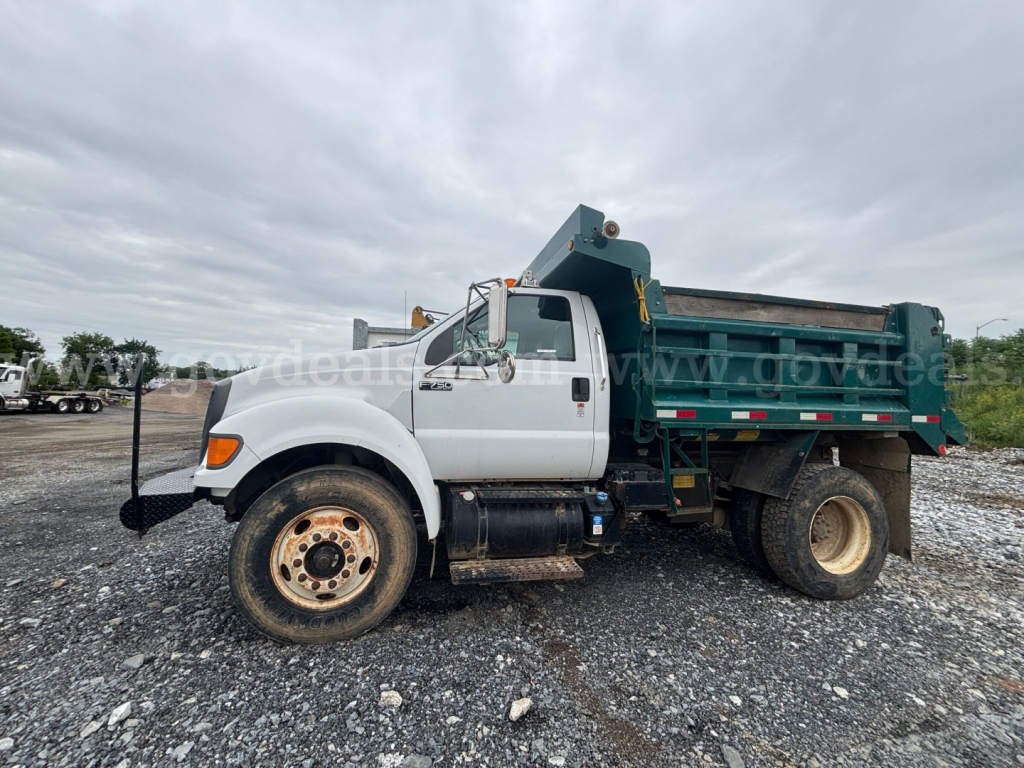

Have truck to sell? List it here to reach thousands of buyers.
About Trucks Near Lemoyne, Pennsylvania
Cab and chassis trucks are often the most flexible option in this category because they can be fitted for service bodies, flatbeds, dumps, utility bodies, wreckers, or other vocational uses. Key buying points include wheelbase, CA dimension, GVWR, frame condition, engine hours versus miles, and whether the truck has hydraulic provisions or PTO capability. On heavier trucks, buyers should also look closely at engine family, transmission type, rear axle capacity, suspension spec, and brake configuration. In Pennsylvania and the Mid-Atlantic, corrosion on frames, cabs, crossmembers, and electrical connections deserves extra attention, especially on municipal, contractor, and winter-service units.
Dump trucks in this market are commonly single-axle configurations for local hauling, paving support, landscaping materials, and municipal work. Important details include body length, side height, floor thickness, hoist type, tailgate operation, and the condition of the hydraulic system. Tow trucks, also known as wrecker trucks, should be evaluated on boom or autoloader setup, winch capacity, underlift ratings, and the overall condition of wear components that see constant cycle use. Buyers comparing general commercial trucks should also confirm cab style, drivetrain layout such as 4x2 or 4x4, diesel engine displacement, and whether the truck is set up for short urban routes, jobsite use, or regional service.
A good truck purchase in this category comes down to matching the spec to the work instead of buying on price alone. Service history, idle hours, PTO engagement, tire wear, brake life, and signs of frame stress usually tell more than appearance. If the truck will be used for local construction, municipal service, towing, or body installation, focus on payload capacity, turning radius, upfit compatibility, and long-term parts support. The best value is usually a truck with the right vocational spec, a sound drivetrain, and enough remaining service life to avoid immediate rework after delivery.
Frequently Asked Questions
What should I check first when buying a used commercial truck?
Start with the truck’s intended job and confirm the GVWR, axle ratings, wheelbase, frame spec, and drivetrain match that application. After that, inspect service records, engine hours, odometer miles, brake condition, tire wear, suspension components, hydraulic systems if equipped, and any corrosion on the frame or wiring. A truck that is mechanically sound but poorly matched to the work can cost more in the long run than a higher-priced unit with the correct vocational specification.
How do cab and chassis trucks differ from complete vocational trucks?
A cab and chassis truck is essentially the platform for an upfit, with the body area left open so it can be configured as a dump, flatbed, utility truck, service body, or wrecker. A complete vocational truck already has the working body installed and is designed for a specific task. Cab and chassis units give buyers more flexibility, but wheelbase, CA dimension, frame strength, and PTO or hydraulic compatibility must be verified before installing a body.
What matters most on a used dump truck?
The body and hoist condition are just as important as the engine and transmission. Buyers should inspect floor and sidewall wear, tailgate hinges and latches, hoist cylinders, hydraulic lines, PTO operation, and signs of cracking around body mounts or frame stress points. Single-axle dump trucks are common for local hauling and contractor work, so turning radius, payload, suspension condition, and brake life are all major considerations.
What should I look for on a used tow truck or wrecker?
Focus on both the truck chassis and the towing equipment. Check the autoloader or wrecker body for structural wear, winch function, cable or line condition, hydraulic performance, underlift ratings, and controls. On the chassis side, confirm the engine, transmission, rear axle ratio, brakes, and suspension are suitable for towing loads the truck is expected to handle. Frequent stop-and-go service can create wear patterns that may not show up from mileage alone.
Are regional conditions in Pennsylvania important when shopping for used trucks?
Yes. Trucks that have worked in Pennsylvania often see winter road treatment, moisture, and seasonal temperature swings that can accelerate corrosion. Buyers should pay close attention to frame rails, crossmembers, cab mounts, brake lines, electrical connectors, bed supports, and underbody components. Rust is not unusual on work trucks in the region, but the extent and location of corrosion can make a major difference in long-term reliability and repair cost.