
Trucks For Sale Near Knoxville, Tennessee
Browse trucks for sale in Knoxville, TN. Compare cab styles, GVWR classes, powertrains, and vocational specs for regional or heavy-duty work.
Learn more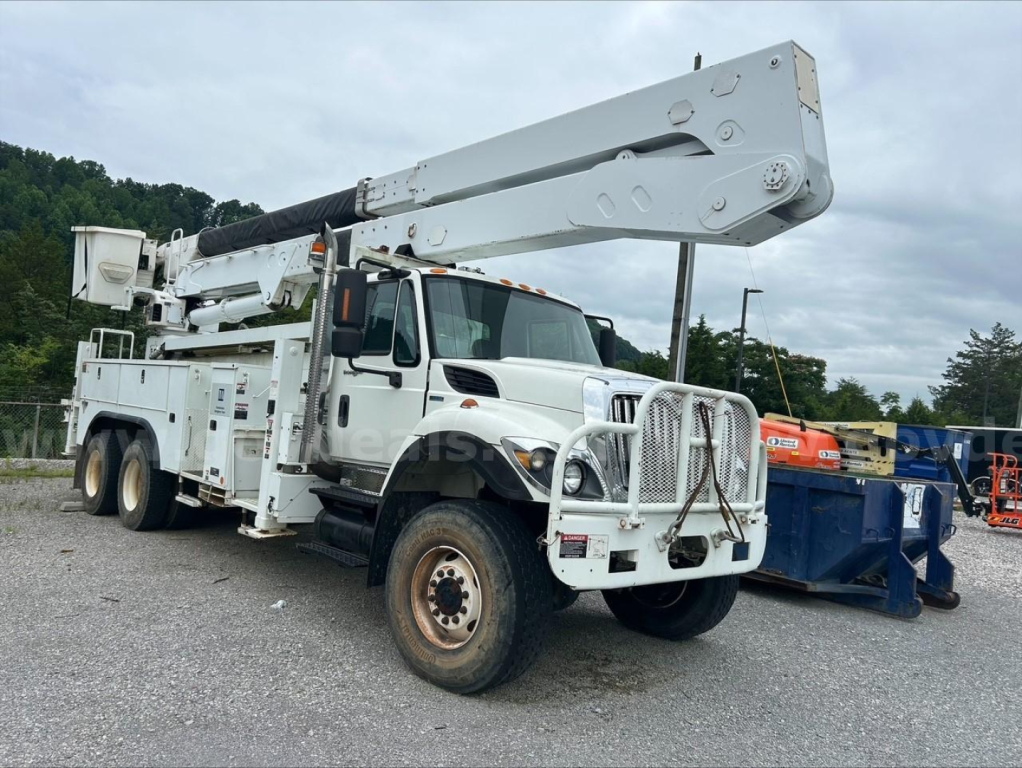

Have truck to sell? List it here to reach thousands of buyers.
About Trucks Near Knoxville, Tennessee
For local delivery, service body, utility, and municipal work, medium-duty trucks are often selected around GVWR, wheelbase, cab-to-axle measurement, and body compatibility. Buyers comparing straight trucks should pay close attention to payload capacity, rear axle ratio, turning radius, and PTO provisions if the application calls for hydraulics or auxiliary equipment. For over-the-road and regional hauling, sleeper or day cab tractors are usually evaluated by engine make, mileage, emissions system history, transmission type, tandem versus single axle configuration, and fifth-wheel setup. In hilly areas around Knoxville, a strong engine brake, proper rear-end ratio, and well-matched driveline can make a noticeable difference in fuel economy and driver fatigue.
Specification details often separate a good fit from an expensive compromise. Cab style, frame rating, fuel tank capacity, wheelbase, and suspension all affect how a truck performs in the real world. Buyers looking at used diesel trucks should inspect service records, idle hours, DPF and SCR maintenance, tire condition, brake wear, and signs of frame modification or corrosion. Gas-powered trucks can be a practical choice for lighter-duty fleets with shorter routes and lower annual miles, while diesel remains the standard for heavier payloads, towing, and long service life in demanding applications.
Truck bodies and upfit potential are just as important as the chassis itself. Common configurations include dump trucks, box trucks, flatbeds, stake beds, service trucks, hooklift trucks, and conventional road tractors. The right choice depends on cargo type, route density, loading method, CDL requirements, and bridge or jobsite access. A buyer comparing trucks for sale in Knoxville should focus on application fit first, then confirm axle ratings, body dimensions, emissions compliance, and maintenance history before making a final decision.
Frequently Asked Questions
What type of truck is best for hilly routes around Knoxville, Tennessee?
For hilly East Tennessee routes, buyers should prioritize torque, transmission gearing, rear axle ratio, and braking performance over peak horsepower alone. A truck with a well-matched driveline, effective engine brake, and appropriate suspension setup will generally handle grades better, reduce brake wear, and improve driver control on regional and local routes.
How do I choose between a gas and diesel truck?
Gas trucks usually make sense for lighter-duty applications, lower annual mileage, and fleets that want lower upfront cost and simpler emissions equipment. Diesel trucks are typically preferred for heavier payloads, towing, longer routes, and higher utilization because they deliver stronger low-end torque and are built for demanding service cycles. The right choice depends on load, route length, maintenance capability, and total cost of ownership.
What specifications matter most when buying a used truck?
The most important specs depend on the application, but buyers commonly focus on GVWR, wheelbase, axle ratings, engine and transmission combination, suspension, brake type, and body compatibility. On used trucks, service history is critical. Mileage, engine hours, emissions maintenance, tire condition, brake wear, and any signs of frame alteration or rust can affect operating cost and long-term reliability.
What is the difference between a straight truck and a road tractor?
A straight truck has the cab and cargo body mounted on the same frame, which makes it common for box trucks, flatbeds, dumps, and service applications. A road tractor is built to pull a trailer using a fifth wheel and is commonly used in regional or long-haul freight. The choice depends on whether the load is carried on the truck itself or hauled in a separate trailer.
Why are wheelbase and cab-to-axle measurements important?
Wheelbase affects ride quality, turning radius, bridge law considerations, and body fitment. Cab-to-axle measurement is especially important for chassis cab trucks because it determines what body lengths and equipment can be installed correctly. Getting these measurements wrong can limit upfit options, affect weight distribution, and create clearance issues during operation.