
Used Kenworth Trucks For Sale Near Sparrow Bush, New York
Browse used Kenworth trucks for sale, including T660, T300, and T880 models with common specs, applications, drivetrains, and buyer tips.
Learn more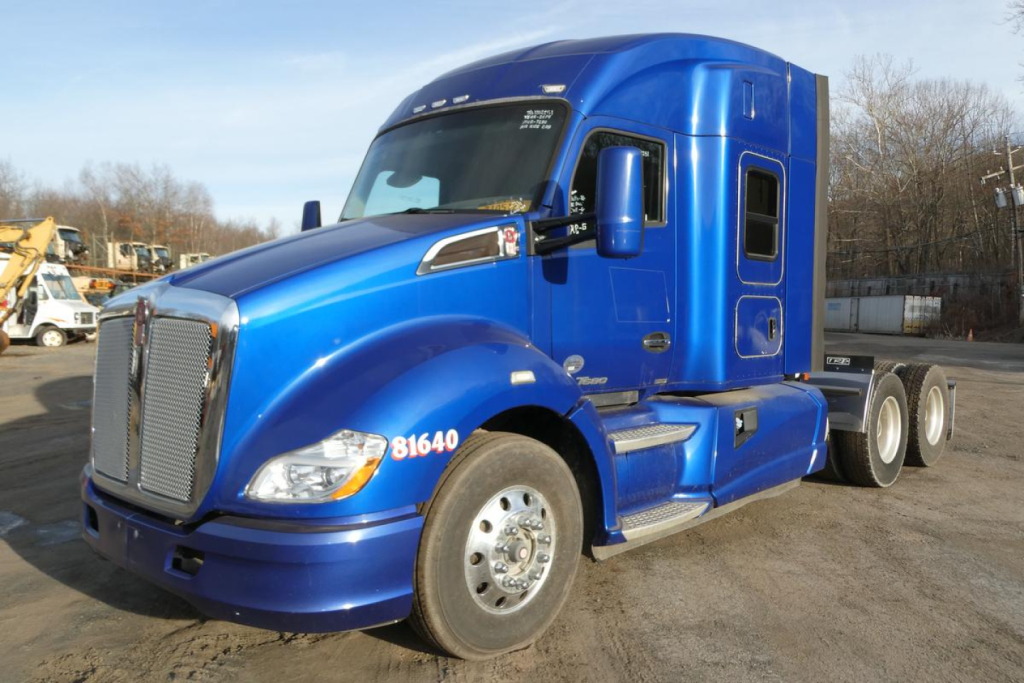
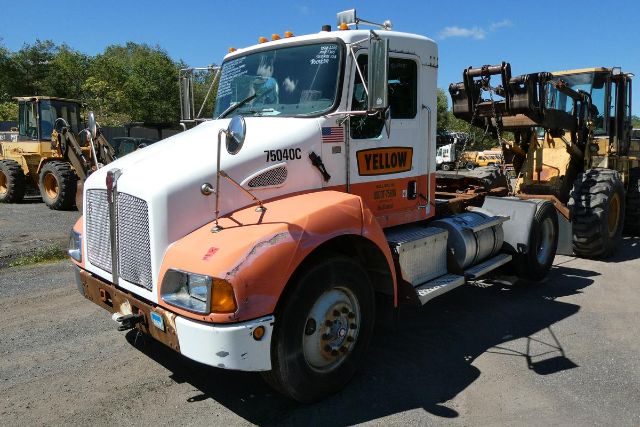
Have used kenworth truck to sell? List it here to reach thousands of buyers.
About Used Kenworth Trucks Near Sparrow Bush, New York
For a used Kenworth, the drivetrain spec tells you more than the hood badge. Common engines in this class include the Cummins ISX 15L, Cummins ISC 8.3L, and Paccar MX-13, typically paired with Eaton Fuller or Fuller 7-speed and 10-speed manuals. Rear axle ratings around 23,000 lb on medium-duty units and 36,000 to 40,000 lb on heavy-duty day cabs are typical, with ratios such as 3.55 or 3.70 balancing startability and highway RPM. Suspension type also matters. Paccar 4-bag and Hendrickson air ride setups are common and can affect ride quality, traction, and maintenance cost. If the truck will pull a van, reefer, hopper, or flatbed regularly, look closely at wheelbase, cab-to-axle, fifth wheel style, and whether the frame is single or double. Those details determine trailer swing clearance, bridge law flexibility, and how easily the truck can be reassigned later.
Condition is where used Kenworth buyers separate a good value from a future shop bill. Engine lights, inactive A/C, DEF-system faults, high engine hours, and signs of fuel-system issues are common on higher-mileage day cabs and should be evaluated before you focus on appearance. A truck with 450 hp and a clean cab still needs to be judged on blow-by, fault history, clutch wear, driveline play, suspension bushing condition, frame integrity, and differential noise. On PTO-equipped trucks, verify the PTO type, shaft arrangement, hydraulic setup, and actual operation under load. On day cabs working the Northeast around places like Sparrow Bush, New York, corrosion deserves extra attention. Check cab mounts, battery boxes, crossmembers, airlines, electrical connections, and lower cab structure for rust or salt exposure.
Kenworth remains popular because parts support is broad, cab ergonomics are familiar to most drivers, and many fleets know exactly how these trucks behave in service. The right used Kenworth depends on matching the spec to the route and payload. A 200-inch wheelbase tandem axle day cab with 12,000 lb front axle and 40,000 lb rears is a very different tool than a shorter wheelbase medium-duty truck. Buyers comparing listings should focus on engine family, transmission model, axle ratio, suspension, PTO provisions, maintenance history, and frame layout first. Cosmetics matter, but the best buying decisions in this category come from understanding how the truck was spec'd, what work it was built to do, and how much life is left in the major components.
Frequently Asked Questions
What are the most common used Kenworth truck models buyers compare?
The most commonly compared used Kenworth trucks include the T660, T880, and older T300-series units. The T660 is known as an aerodynamic conventional that is common in regional and highway day cab service. The T880 is a more modern vocational and on-highway platform with broader body and PTO compatibility. The T300 is an older medium-duty conventional often used for local delivery, municipal work, and straight truck applications. The best choice depends less on the model name and more on axle ratings, wheelbase, engine, transmission, and intended use.
Is a used Kenworth T660 a good choice for regional hauling?
A used Kenworth T660 is often a strong regional hauling choice when it has the right drivetrain and frame spec. Many are equipped with Cummins ISX engines, 10-speed manual transmissions, tandem rear axles, and air ride suspension, which suits van, reefer, and general freight work well. Buyers should verify horsepower, rear axle ratio, fifth wheel setup, and service history. On emissions-era trucks, DEF and aftertreatment condition are especially important because repair costs can change the total ownership picture quickly.
What should I inspect first on a used Kenworth truck?
Start with the engine, transmission, rear ends, frame, and emissions system before you spend much time on cosmetic issues. Pull fault codes, review engine hours against mileage, inspect for leaks, check blow-by, and listen for driveline or differential noise on a road test. Confirm A/C operation, clutch condition, suspension wear, tire condition, and brake life. If the truck has a PTO, verify engagement and any connected hydraulic or shaft-driven equipment. In northern states, rust on crossmembers, cab structure, battery boxes, and electrical connectors should be inspected closely.
Are Paccar MX-13 and Cummins ISX engines both common in used Kenworth trucks?
Yes. Both engine families are common in used Kenworth heavy-duty trucks, especially in later-model day cabs and highway tractors. The Cummins ISX 15L is widely recognized for strong parts availability and broad service familiarity across independent shops and fleets. The Paccar MX-13 is common in newer Kenworths and can offer good drivability and fuel economy when maintained properly. Buyers should evaluate maintenance records, emissions-system history, and local service support for each engine rather than assuming one is automatically better for every operation.
How important are wheelbase and axle ratings when buying a used Kenworth?
Wheelbase and axle ratings are critical because they determine what the truck can legally and efficiently do. A shorter wheelbase improves maneuverability for local routes, tight yards, and urban work. A longer wheelbase can improve ride quality and allow better component placement, but it may reduce maneuverability and affect bridge compliance depending on the application. Front and rear axle ratings must match the intended payload, trailer type, and any PTO or body equipment. These specs directly affect licensing, legal GVW, resale flexibility, and how well the truck fits the job.