
Johnston Trucks For Sale
Browse Johnston trucks for sale, including municipal sweepers known for compact design, debris control, and urban street maintenance.
Learn more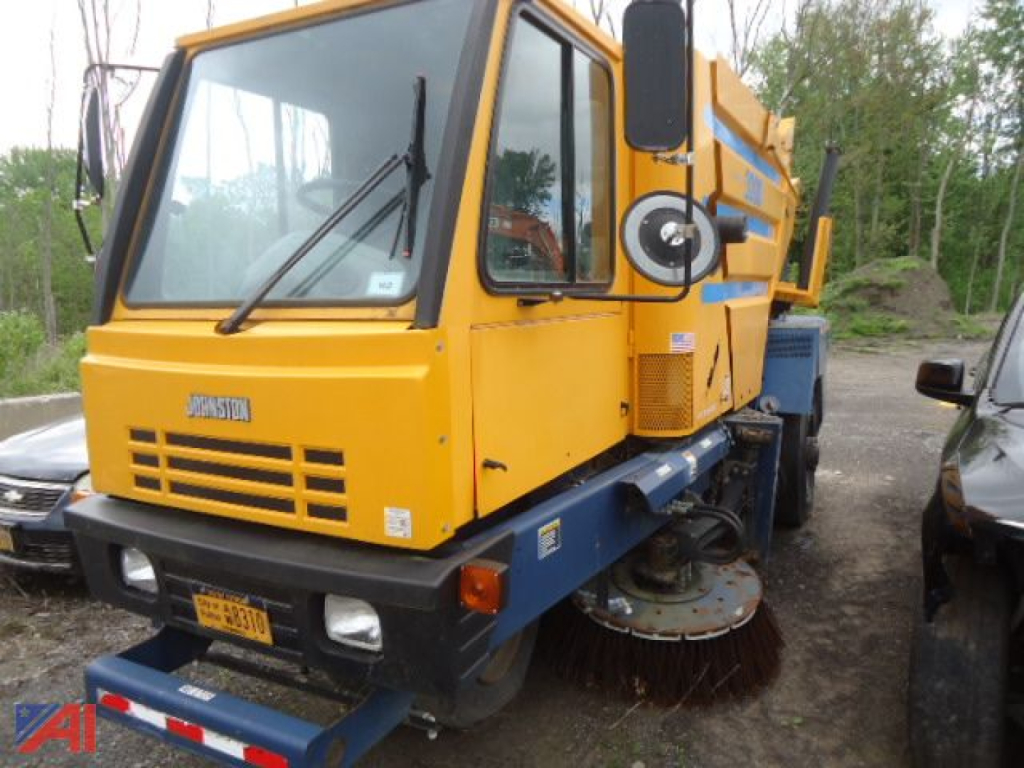
Have johnston truck to sell? List it here to reach thousands of buyers.
About Johnston Trucks
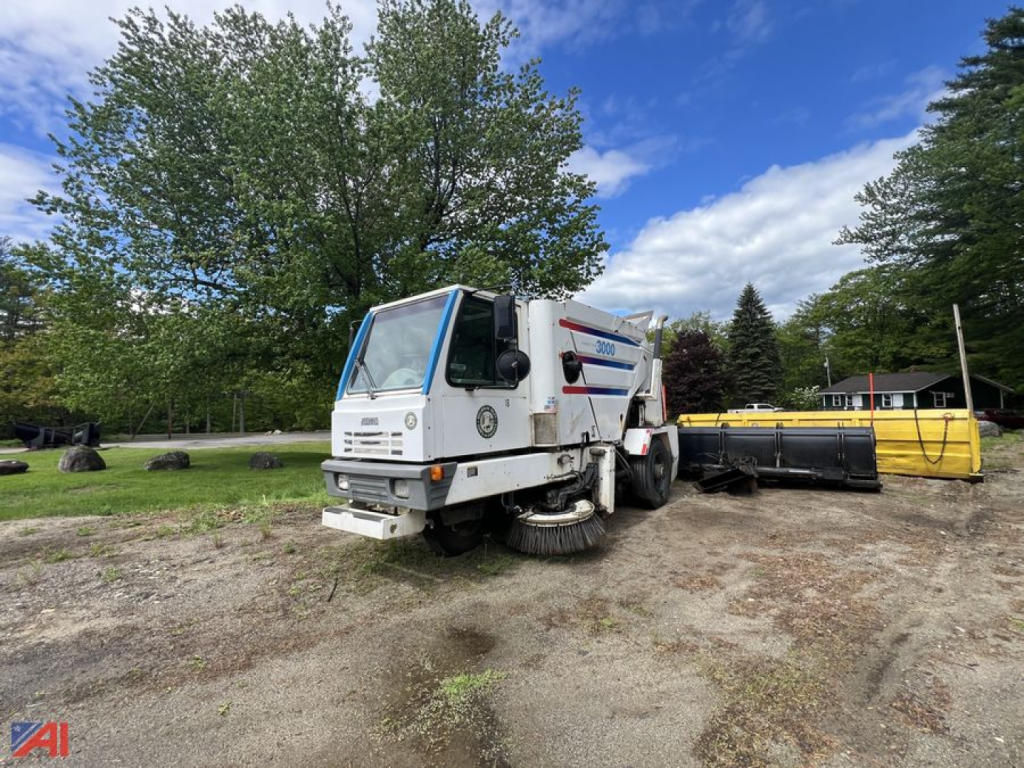
A Johnston sweeper is typically built for municipal or contractor use with a compact wheelbase, high-visibility cab, vacuum or mechanical sweeping system, water tank for dust suppression, and a debris hopper sized for stop-and-go collection work. Buyers should pay close attention to broom wear, fan condition, hydraulic system performance, hopper corrosion, water pump operation, and the overall state of the suction path. On older units, service history matters because sweepers accumulate wear differently than standard trucks. Curb impacts, heavy dust exposure, seasonal use, and extended idling all affect long-term condition.
Spec choices depend on the work mix. Tight downtown routes and parking structures favor compact dimensions, responsive steering, and strong operator visibility. Heavier roadway cleanup calls for enough hopper volume, effective dust control, and dependable auxiliary hydraulics. Many buyers also evaluate ease of parts support, engine access, in-cab controls, and how quickly the unit can be serviced between shifts. If the truck will be used by a municipality, confirm compliance items such as lighting, spray systems, warning equipment, and any local requirements for road use.
Used Johnston trucks should be evaluated as purpose-built vocational equipment, not just by miles or engine hours alone. Broom hours, hydraulic leaks, structural rust, fan housing condition, and the performance of sweep functions under load are often more important than the odometer. A good unit for this class is one that matches route density, debris type, dumping frequency, and operator familiarity. For buyers comparing multiple Johnston trucks for sale, the best value usually comes from a machine with documented maintenance, intact sweeper systems, and a chassis configuration suited to the exact environment it will work in.
Frequently Asked Questions
What are Johnston trucks commonly used for?
Johnston trucks are most commonly used as street sweepers for municipal road cleaning, parking lot maintenance, industrial site cleanup, and campus or airport sweeping. Their primary role is debris collection and dust control in areas where maneuverability, operator visibility, and frequent stop-and-go operation are important.
What should I inspect first on a used Johnston sweeper?
Start with the core sweeping systems rather than just the base chassis. Inspect the brooms, suction path, fan, hopper, hydraulic functions, water tank and spray system, and signs of rust or corrosion around the debris body. A sweeper can appear mechanically sound as a truck while still needing costly repairs in the equipment systems that actually generate revenue or perform the municipal work.
Are engine hours or mileage more important on a Johnston truck?
For this category, hours and equipment condition often matter more than mileage. Street sweepers spend a lot of time running at low speed, idling, cycling hydraulics, and operating auxiliary systems, so wear is not measured by odometer alone. Buyers should compare engine hours, sweeper hours if available, maintenance records, and the condition of the hydraulic and vacuum systems.
What type of buyer typically chooses a Johnston sweeper?
Typical buyers include municipalities, public works departments, paving and parking lot contractors, property maintenance companies, airports, and industrial facilities. The right machine depends on route width, debris type, dump frequency, operator experience, and how important compact size is for navigating curbs, medians, and dense urban streets.