
Used Grapple Trucks For Sale
Used grapple trucks for bulk waste, forestry, and scrap. Key factors include payload, boom reach, body strength, hydraulics, tare weight, & corrosion.
Learn moreBrowse Grapple Trucks by Make
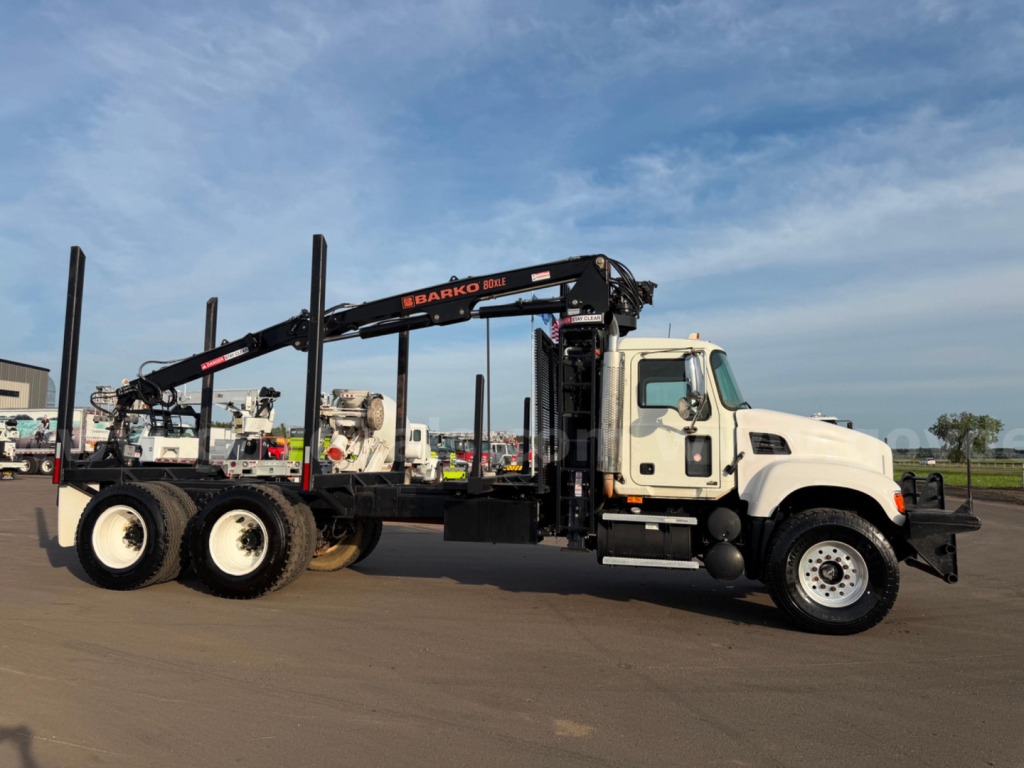

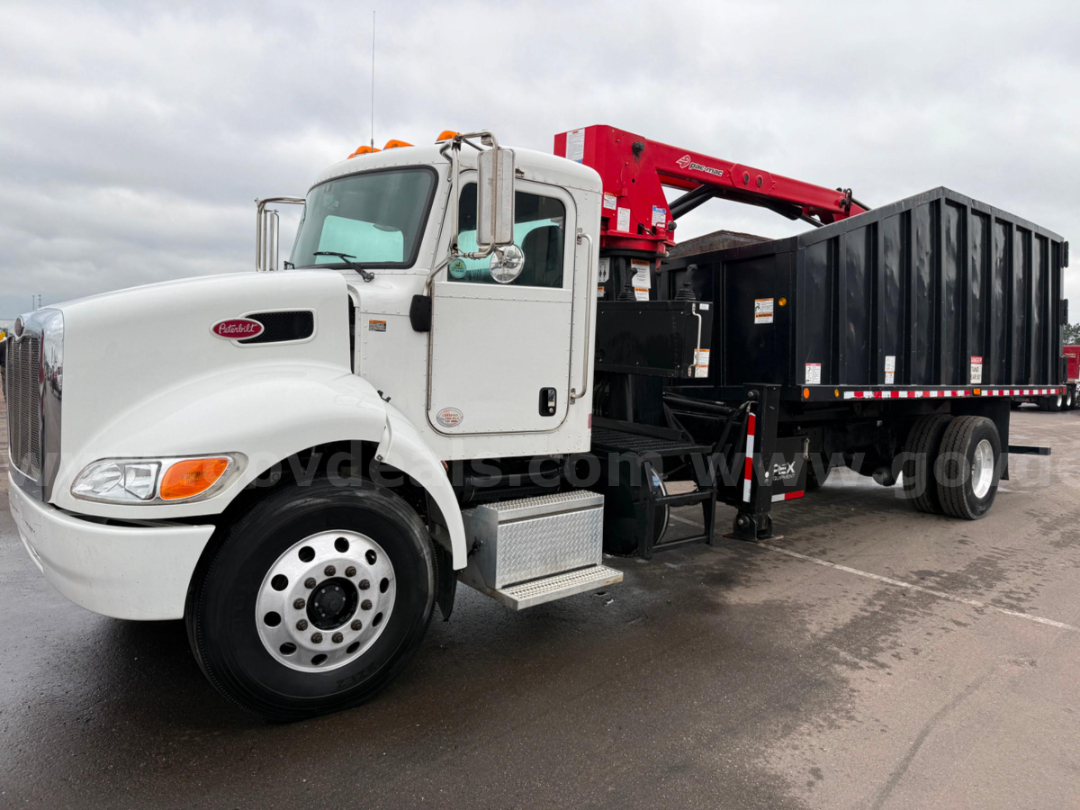
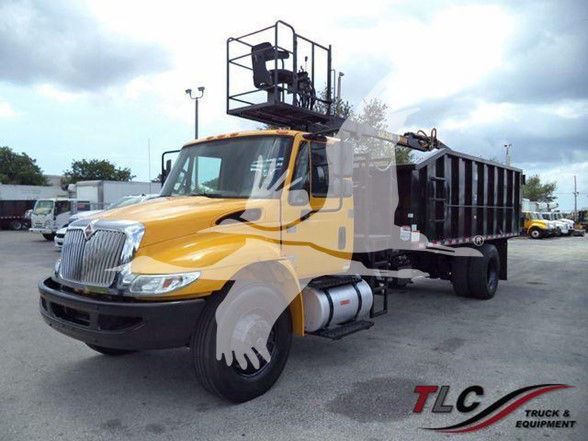
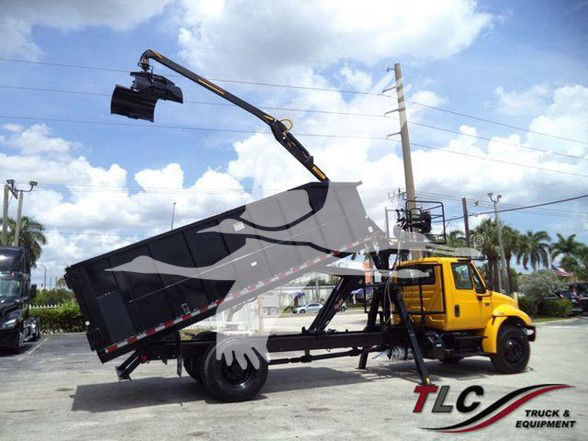
Showing 1 to 12 of 18 results
Have used grapple truck to sell? List it here to reach thousands of buyers.
About Used Grapple Trucks
Body floor strength is a primary value driver. Look for abrasion resistant steel like AR400 or Hardox in 3/16 inch to 1/4 inch thickness, tight crossmember spacing, and a robust subframe that ties outriggers into the chassis rails without introducing twist. A smooth steel floor releases wet brush and fines, a formed or boxed long sill resists racking on uneven ground. Scuff liners and wear plates at the tail and heel rack reduce impact damage from tines. High sidewalls with full height posts resist bowing under heaped loads, while a reinforced headboard and cab guard protect against overtravel. Aluminum bodies cut weight, steel bodies take abuse better, for concrete and scrap an AR steel floor pays for itself in longevity.
Hydraulic performance and thermal integrity govern cycle times and uptime. Match the PTO and pump to the loader’s flow and pressure, for example 25 to 40 gpm at working rpm and 3,000 psi, and verify an oil reservoir sized to the system with a return filter and an oil cooler. Hot climates and long duty cycles benefit from fan cooled heat exchangers that hold oil near 140 to 160 F, high oil temperatures thin viscosity, slow the crane, and accelerate wear. Inspect the valve bank for smooth metering, check slewing ring lash, rotator torque, and pin and bushing play. Outriggers should deploy with solid pad contact and adequate spread for the load chart. Control style matters in productivity and safety, radio remote offers clear sightlines and fewer climb cycles, top seat or pedestal controls are simple and durable. Allison automatics with live drive PTOs are common, verify idle bump strategies and regen history so the truck maintains hydraulic output without DPF issues.
Corrosion resistance preserves residual value. Look for zinc rich primer and quality topcoat on the body and loader, sealed harnesses with Deutsch connectors, undercoating on crossmembers, and stainless or coated fasteners. Cylinder rods with chrome or nitride finishes resist pitting in salt, outrigger boxes should drain and stay clean. On older vocational chassis, inspect single versus double frame construction for rust jacking between rails, pay attention to spring hangers, outrigger mounts, and body subframe attachment points. Comparing used units comes down to facts on paper and in metal, boom hours and service records, GVWR and axle group ratings, outrigger spread, reach and lift at maximum extension, dump body volume and side height, and real world tare weight with full fuel and tools.
Frequently Asked Questions
How much payload can a grapple truck carry, and how does loader tare weight affect it?
Payload depends on GVWR and axle configuration, then subtracts the curb weight of the chassis, body, and loader. A tandem axle municipal unit often delivers 6 to 10 tons of usable payload, while tri axle and quad axle builds with lift axles can reach 10 to 16 tons within bridge law. The knuckleboom, rotator, grapple, and subframe typically add 4,000 to 7,000 pounds, so a lighter body and optimized axle spacing can return several thousand pounds of payload. Always scale the truck fueled and equipped to confirm true tare before committing to route tonnage.
What boom reach and lift capacity should I look for on a used grapple truck?
Most curbside loaders offer 22 to 30 feet of horizontal reach with 2,000 to 4,000 pounds of capacity at full reach, higher capacities closer in. Capacity falls as reach increases, so consult the load chart and confirm outrigger spread and ground conditions match the rating. Rear mount loaders gain street side reach on wide rights of way, center mount loaders balance weight and visibility. Choose a grapple size that matches material density, open brush can use a larger bypass grapple, heavy scrap and concrete benefit from a smaller, stronger shell and higher rotator torque.
How important is floor and sidewall construction for durability and life cycle cost?
Very important. Abrasion resistant floors such as AR400 or Hardox at 3/16 inch to 1/4 inch thickness resist gouging from grapple tines and survive sliding concrete and rebar. Tight crossmember spacing and a stout subframe keep the floor from oil canning and protect the chassis from torsion when loading off center. Scuff liners, heel plates, and reinforced tail sections take the brunt of impact and are cheaper to replace than a full floor. Steel bodies handle abuse better, aluminum saves weight for lighter duty yard waste. A strong body preserves resale and reduces unscheduled downtime.
What should I evaluate in the hydraulic system to ensure thermal integrity and long service life?
Match the PTO and pump to the loader’s required flow and pressure, verify hydraulic oil cleanliness and temperature control. Inspect for a return filter with a service indicator, a reservoir sized to the system, and an oil cooler capable of maintaining 140 to 160 F in hot weather. Check for smooth valve metering, consistent swing speed, and minimal drift in cylinders under load, which points to good seals and load holding valves. Examine hoses for chafe, look for leaks at swivels and the rotator, measure slewing ring play, and test the system hot since performance can fade as oil thins.
How does corrosion protection impact long term ownership, especially in the rust belt?
Corrosion protection directly affects downtime and resale. E coated or zinc primed components, quality paint, undercoated crossmembers, and sealed wiring harnesses slow rust and electrical faults. Cylinder rods with chrome or nitride finishes resist pitting from road salt, outrigger boxes with proper drainage avoid trapped brine. On used chassis, check frame rails, inner liners, spring hangers, and outrigger mounts for rust jacking and cracking. A well protected truck needs fewer structural repairs and keeps fasteners serviceable, which shortens future body or loader swaps and keeps total cost predictable.