
Gillig Trucks For Sale
Browse Gillig trucks and commercial transit units, including low floor bus platforms known for urban route service, accessibility, and durability.
Learn more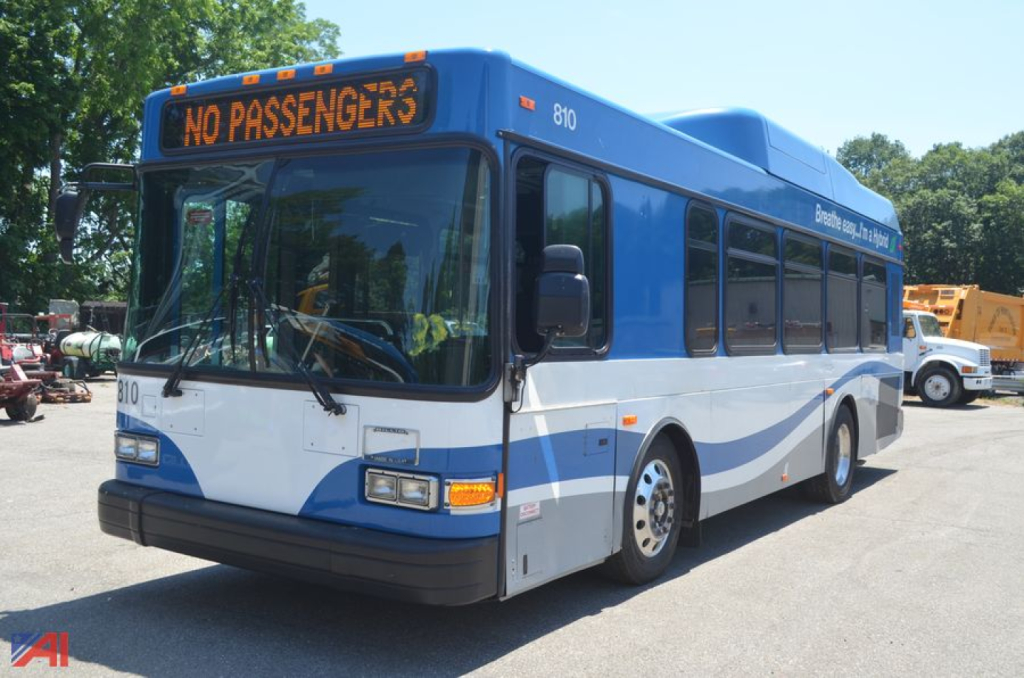
Have gillig truck to sell? List it here to reach thousands of buyers.
About Gillig Trucks
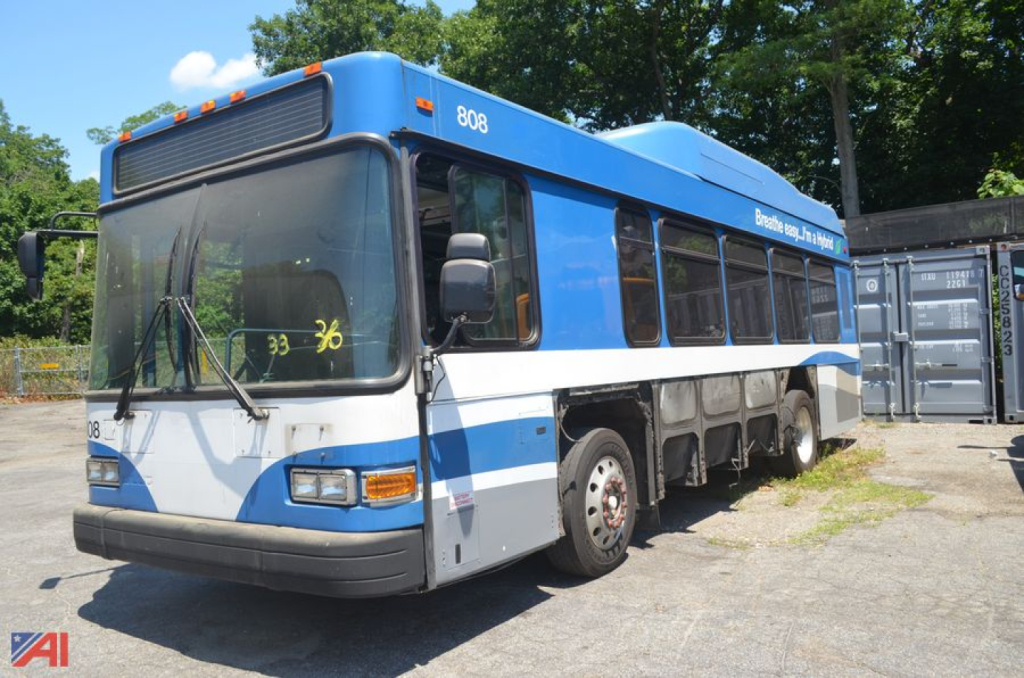
A Gillig Low Floor unit is designed for frequent stop-and-go operation and fast passenger loading. The low-entry floor layout improves ADA access and shortens dwell time at stops, especially when paired with a wheelchair ramp or kneeling suspension. Common items to inspect include front and center door operation, suspension condition, steering components, brake system wear, multiplex electrical functions, HVAC performance, and the condition of the passenger interior. Powertrain specifications vary by year and fleet order, but buyers will often see heavy-duty diesel engines paired with automatic transmissions suited for urban cycle service. Cooling system health, idle hours, and maintenance history matter as much as odometer miles on this class of equipment.
These Gillig commercial units are usually bought by municipalities, private shuttle operators, airport contractors, universities, and property or resort transportation fleets. The application matters because a former city-route bus may show different wear patterns than a campus shuttle or circulator unit. Stop frequency, curb strikes, door cycle counts, and extended idling can all affect long-term operating cost. Buyers should also check seating layout, standee room, bike rack provisions, destination sign systems, fare equipment removal, and overall parts support for the specific model year. If the plan is private shuttle use, reconfiguration costs for branding, seating, or passenger amenities should be considered upfront.
The best Gillig truck or transit-unit purchase is usually the one with a documented maintenance program, clean structural condition, and specs that match the intended route profile. Frame corrosion, underbody condition, suspension bushings, air system leaks, and emissions-system status deserve close attention before purchase. Because these are purpose-built commercial passenger vehicles, compliance requirements, licensing, and inspection standards may differ from a typical medium-duty truck. Buyers comparing multiple listings should focus on accessibility features, drivetrain service records, door configuration, and overall fleet pedigree before narrowing in on price alone.
Frequently Asked Questions
What is a Gillig truck typically used for?
A Gillig truck listing usually points to a commercial transit-style vehicle, most commonly a Gillig Low Floor bus used for public transportation, shuttle routes, airport circulation, campus service, or municipal passenger movement. These units are designed for frequent stops, fast boarding, and heavy daily cycling rather than general freight hauling or vocational truck work.
What should I inspect first on a used Gillig Low Floor unit?
Start with maintenance records, engine and transmission service history, door function, wheelchair ramp operation, suspension condition, brake wear, and HVAC performance. On a transit bus, structural condition and electrical reliability are critical, so buyers should also inspect the underbody, look for corrosion, check for air leaks, and confirm that multiplex systems, destination signs, lighting, and accessibility equipment work correctly.
Are miles or hours more important on a Gillig transit vehicle?
Both matter, but engine hours, idle time, and duty cycle are often just as important as odometer miles. A transit unit can accumulate wear from constant stop-and-go operation, extended idling, and repeated door cycles even if total miles seem moderate. Buyers should evaluate the full service profile, not just mileage, when estimating remaining life and refurbishment needs.
What powertrain setups are common in Gillig commercial units?
Gillig transit vehicles are commonly equipped with heavy-duty diesel engines and automatic transmissions selected for urban route service. Exact engine, transmission, and emissions configurations vary by model year and original fleet specification, so buyers should verify the powertrain against their maintenance capabilities, local emissions requirements, and intended route demands.
Do Gillig units require different compliance checks than a standard truck?
Yes. Because Gillig vehicles are purpose-built passenger transit units, they may fall under different inspection, accessibility, operating, and licensing requirements than a standard commercial truck. Buyers should confirm local rules for passenger capacity, ADA equipment, emergency exits, seating layout, and any state or municipal requirements before putting the vehicle into service.