
Trucks For Sale Near Fulton, New York
Browse trucks for sale in Fulton, NY, including vocational and highway models with key specs, applications, axle setups, and body options.
Learn more
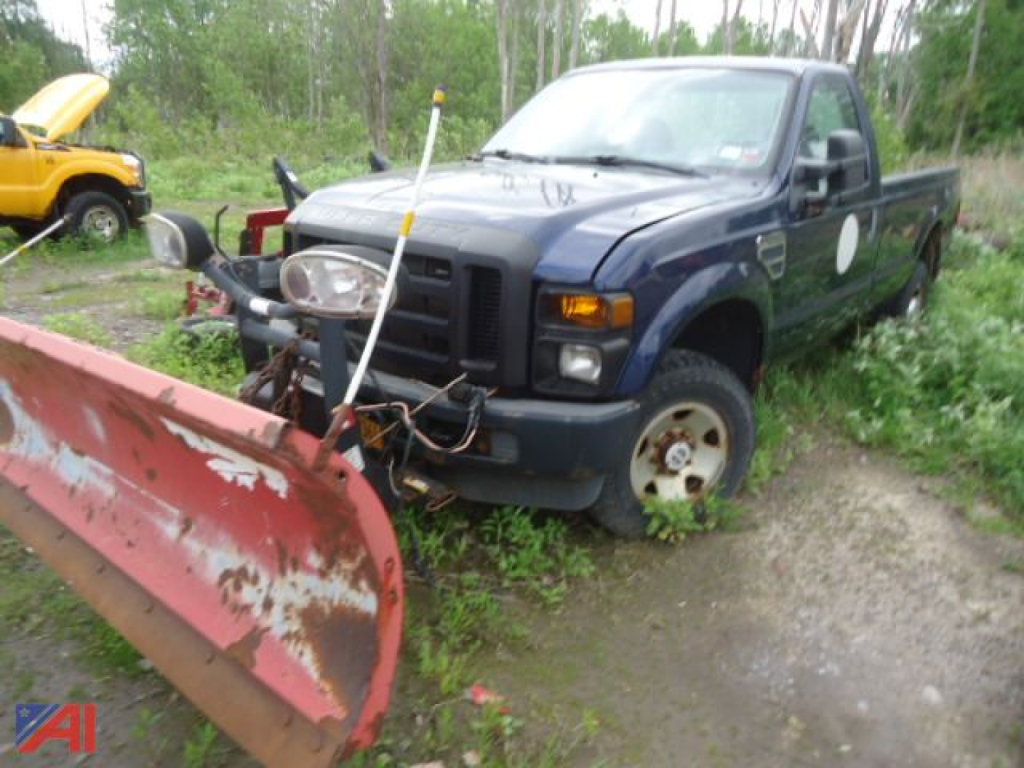
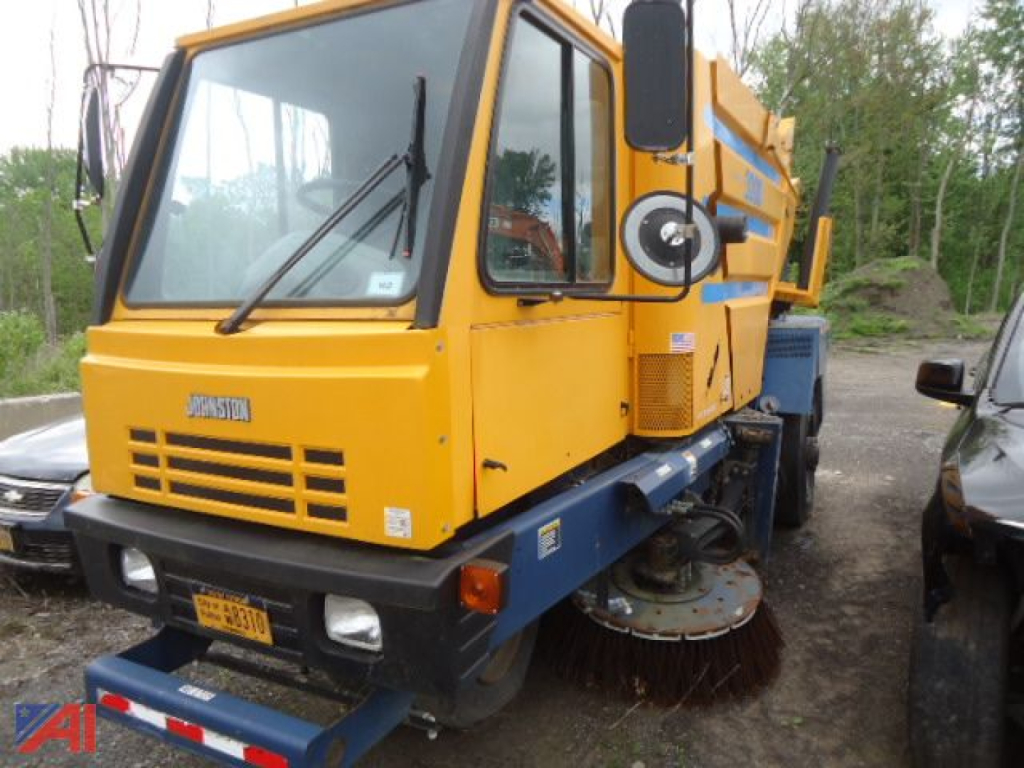
Have truck to sell? List it here to reach thousands of buyers.
About Trucks Near Fulton, New York
A truck’s value is tied closely to its specification. Engine make, horsepower, torque rating, transmission type, rear axle ratio, suspension, and wheelbase all affect how the truck performs once it is put to work. For vocational units such as dump or chassis trucks, buyers should pay close attention to frame rail condition, evidence of corrosion, PTO operation, hydraulic setup, and front axle capacity. In upstate New York, rust and underbody exposure can be a major factor, so it is smart to inspect crossmembers, spring hangers, brake lines, cab mounts, and the lower cab structure. For highway tractors and medium-duty commercial trucks, miles and hours both matter, along with emissions system history, tire condition, and service records.
Truck buyers also need to match the truck class to the operating environment. A heavier tandem-axle truck may be the right fit for aggregate, snow, or municipal duty, while a single-axle unit can be easier to maneuver and less expensive to maintain for local work. If the truck will carry a body or specialized equipment, wheelbase, cab-to-axle measurement, and frame layout become critical. Buyers comparing general commercial trucks should also consider brake type, fuel tank capacity, lift axle presence, locking differentials, and whether the truck is already set up for the intended application or still needs body installation.
The strongest purchase decisions usually come from evaluating total operating cost, not just purchase price. A lower-cost used truck can still be the better buy if the engine platform is proven, parts support is strong, and the chassis spec matches the workload. Look for signs of consistent fleet maintenance, verify VIN and build data, and confirm that any body or vocational equipment is properly integrated with the truck’s frame and electrical system. In a broad truck category, the best unit is the one with the right spec, clean structural condition, and a service history that supports reliable uptime.
Frequently Asked Questions
What should I check first when buying a used truck?
Start with the truck’s intended application and confirm that the chassis matches the job. GVWR, axle ratings, wheelbase, engine and transmission spec, PTO capability, and frame condition should be reviewed before cosmetic details. On used trucks in New York, corrosion on the frame, suspension mounts, brake components, and cab structure deserves close attention because rust can affect long-term durability and repair cost.
How do I choose between a single-axle and tandem-axle truck?
A single-axle truck is typically easier to maneuver, lighter, and less expensive to maintain, which makes it a practical choice for local delivery, lighter vocational work, and tighter job sites. A tandem-axle truck is better suited for heavier payloads, rougher conditions, and applications such as dump, municipal, and construction use where higher axle capacity and better traction are important. The right choice depends on legal weight limits, expected payload, and the surfaces the truck will travel on every day.
Why does wheelbase matter on commercial trucks?
Wheelbase affects turning radius, body fitment, bridge law considerations, ride quality, and overall truck balance. On chassis cabs and vocational trucks, wheelbase and cab-to-axle dimensions determine what body can be installed and how weight will be distributed across the axles. A truck with the wrong wheelbase can limit body options or create loading and handling problems once it is put into service.
Are engine hours important on a used truck, or should I only look at mileage?
Engine hours are important because they show how much time the engine has spent running, including idle time that mileage does not capture. This is especially relevant for municipal, vocational, and PTO-driven trucks that may spend long periods idling or operating equipment at low road miles. A truck with moderate mileage but very high engine hours can have more wear than the odometer alone suggests, so buyers should evaluate both figures together.