
Flatbed Trucks For Sale in California
Browse flatbed trucks for sale in California. Compare bed lengths, GVWR, cab styles, and upfit options for contractor and delivery work.

Selling a flatbed truck? List your flatbed truck for sale and reach thousands of commercial buyers.
Flatbed Trucks in California
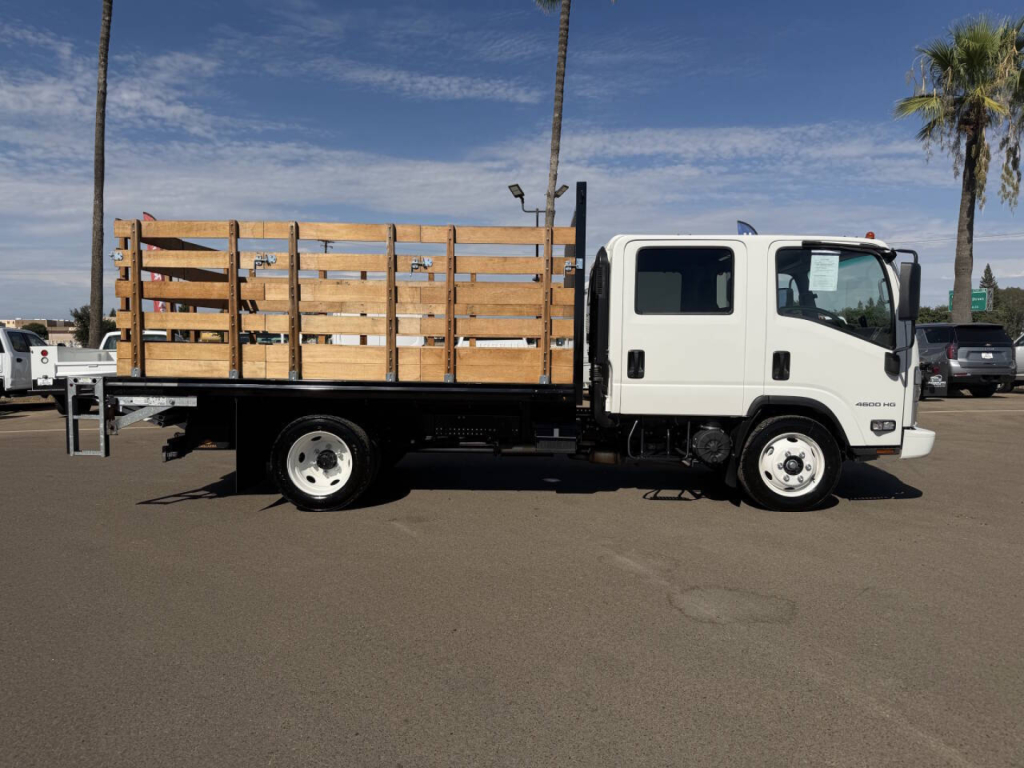
Most flatbed trucks in this class are built on Class 3 through Class 5 chassis from brands like Ford, Ram, Chevrolet, and GMC, though heavier medium-duty platforms are also common. Common configurations include 9-foot to 12-foot beds on cab and chassis trucks, with steel or aluminum bodies depending on the balance you want between durability and weight savings. Contractor flatbeds often add headboards, pipe stakes, ladder racks, underbody toolboxes, and removable side rails. If the truck will carry palletized freight, check deck width, floor height, stake pocket spacing, rub rail design, and the condition of the bed surface. If it will work in dense urban areas or crowded jobsites, wheelbase, turning radius, and cab style matter just as much as deck size.
Powertrain choice is another major buying point. Diesel engines are common in heavier flatbed trucks because they deliver better low-end torque and are better suited for towing and repeated payload work, while gas engines can make sense for lighter-duty fleets with shorter routes and lower maintenance sensitivity. Review the truck's GVWR, rear axle rating, suspension setup, hitch equipment, and brake configuration against the loads you actually plan to carry. On California trucks, emissions compliance is especially important, so buyers should verify engine year, diesel aftertreatment status, and any local or state operating restrictions that may affect where and how the truck can be used.
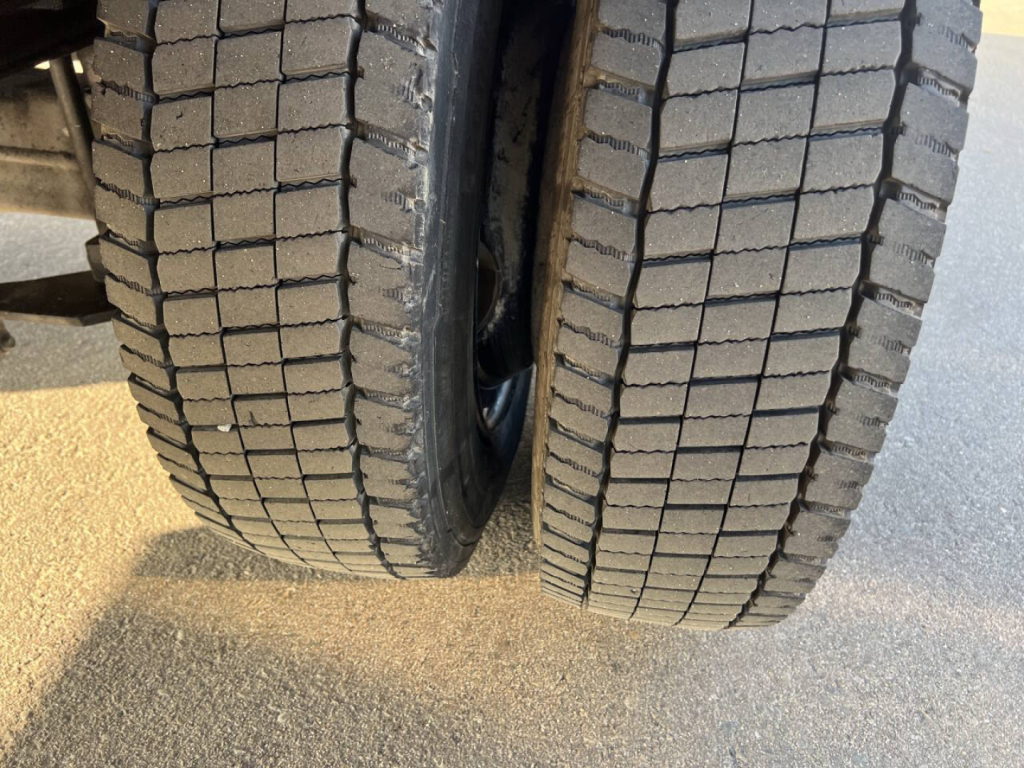
A good flatbed truck should match the cargo, not just the price point. Buyers comparing listings should pay close attention to deck length versus axle placement, securement options, PTO or auxiliary equipment needs, and signs of hard vocational use such as bent rails, damaged bulkheads, uneven tire wear, or overloaded spring packs. A clean upfit with solid racks, usable storage, and a bed designed for the trade can add real value because replacing a poorly configured body is expensive. Also known as a flatbed pickup, contractor flatbed, or stake bed when side panels are installed, this equipment category remains one of the most versatile truck bodies for buyers who need open access, simple loading, and flexible cargo handling.
Frequently Asked Questions about Flatbed Trucks in California
What should I look for first when buying a flatbed truck?
Start with bed length, payload capacity, and the type of cargo the truck will carry most often. A truck used for lumber, steel, pipe, or equipment may need a longer deck, heavy-duty racks, a stronger headboard, and better tie-down points than a truck used for lighter pallet delivery. GVWR, rear axle rating, suspension condition, and the quality of the flatbed upfit are usually more important than appearance because they determine how safely and legally the truck can work.
Are steel or aluminum flatbeds better?
Steel flatbeds are typically favored for hard vocational service because they handle abuse well and are often less expensive to repair. Aluminum flatbeds reduce body weight, which can improve payload and corrosion resistance, but they may cost more upfront. The better choice depends on the application. Contractors and equipment haulers often prefer steel for toughness, while buyers focused on maximizing payload or reducing rust concerns may prefer aluminum.
Is a diesel engine the right choice for a flatbed truck?
Diesel power usually makes sense when the truck will haul heavy loads, tow regularly, or spend long hours on the road. Diesel engines provide strong torque at lower RPM and are common in heavier flatbed applications. Gas engines can still be a good fit for lighter-duty work, shorter routes, or fleets that want lower initial cost and simpler maintenance. The decision should be based on payload, route type, annual miles, and emissions requirements in the areas where the truck will operate.
What is the difference between a flatbed truck and a stake bed?
A flatbed truck has an open platform body designed for easy side and rear loading. A stake bed uses that same basic platform but adds removable or fixed side panels, often supported by stake pockets. Stake sides help retain loose or irregular cargo, but they can reduce side access during loading. Many buyers like flatbeds with stake pockets because they can switch between open-deck use and side-panel use as needed.
Why does California matter when shopping for used flatbed trucks?
California buyers need to pay closer attention to emissions compliance, especially on diesel-powered trucks. Engine model year, aftertreatment equipment, and local operating rules can affect registration, jobsite access, and long-term usability. California also puts flatbeds into demanding service in construction, municipal, utility, and delivery applications, so it is worth inspecting the frame, suspension, bed structure, and securement equipment carefully for signs of heavy vocational wear.