
E-One Trucks For Sale
Have e-one truck to sell? List it here to reach thousands of buyers.
E-One Trucks
Aerial and ladder units deserve especially close attention because replacement cost and inspection requirements are significant. On an E-One ladder truck, buyers should confirm ladder length, rated tip load, stabilizer design, overall travel height, axle ratings, and current certification status. For pumper and rescue configurations, look at pump test records, foam system components, generator output, scene lighting, compartment setup, and PTO operation. Cab-over-engine designs are common on older E-One apparatus because they improve maneuverability in tighter urban streets, but they also change service access and cab ergonomics compared with conventional cab layouts.
Powertrain details vary widely by build date and vocation. Many E-One trucks use heavy-duty diesel engines from Detroit Diesel, Cummins, or Caterpillar paired with automatic transmissions from Allison. Suspension type, brake configuration, and wheelbase matter because they affect ride quality, turning radius, and legal weight once the truck is fully equipped. Corrosion is another major buying factor. Municipal and coastal service can accelerate rust in body mounts, compartment floors, frame areas, wiring connections, pump housings, and aerial components. Maintenance records, annual testing documents, hour meters, and evidence of out-of-service repairs often tell you more than odometer mileage on this class of truck.
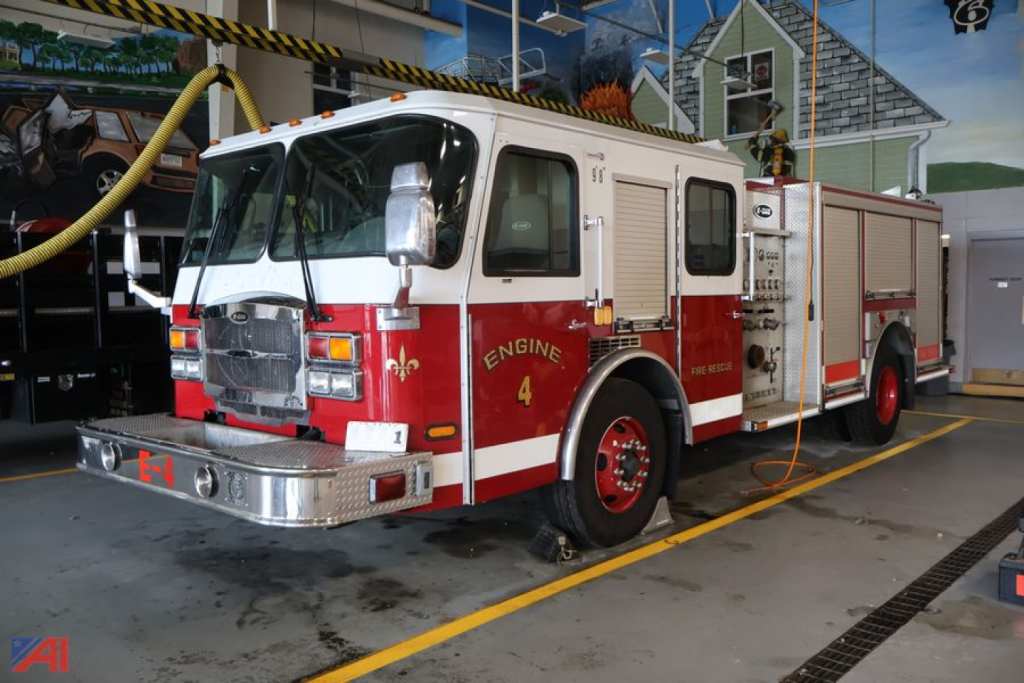
A used E-One truck can be a practical fit for fire departments, industrial sites, airports, training centers, or export buyers looking for a purpose-built apparatus at a lower acquisition cost than new equipment. The best units are the ones with clear service documentation, current inspection compliance, and a configuration that matches the intended response role. Buyers comparing E-One trucks for sale should focus on apparatus function first, then verify chassis condition, drivetrain support, parts availability, and the status of mission-critical systems such as pumps, aerial devices, warning systems, and electrical loads.
Frequently Asked Questions about E-One Trucks
What should I check first when buying a used E-One truck?
Start with the truck’s actual apparatus role and service records. A used E-One truck should be evaluated by pump capacity, tank size, aerial type, body configuration, engine hours, maintenance documentation, and current inspection or certification status. For fire apparatus, annual pump tests, aerial testing records, and repair history are often more important than mileage alone because many units spend long periods idling or operating auxiliary equipment.
Are E-One trucks only fire trucks?
E-One is primarily associated with fire apparatus, but the brand covers several emergency-response and specialty truck configurations. Buyers commonly see pumpers, ladder trucks, platform trucks, rescue units, tankers, and other municipal or industrial response vehicles. The exact chassis, body, and equipment package depends on the original department specification, so two E-One trucks from the same year can be very different in capability and layout.
What engine and transmission combinations are common in E-One trucks?
Common used E-One trucks are often equipped with diesel engines from Cummins, Detroit Diesel, or Caterpillar and usually paired with Allison automatic transmissions. The exact combination depends on the model year, GVWR, and intended use. Buyers should verify horsepower, torque rating, transmission model, cooling-system condition, and parts support, especially on older apparatus where emissions systems and discontinued engine platforms can affect long-term serviceability.
Why is certification important on an E-One ladder truck?
Certification matters because aerial devices, ladders, and related safety systems must meet inspection and testing standards to remain operational. On an E-One ladder truck, current aerial test documentation can help confirm structural integrity, hydraulic performance, and safe operation under load. A truck without current certification may still have value, but the buyer should budget for inspection, repairs, and possible downtime before putting the unit into service.
How important is corrosion on a used E-One fire truck?
Corrosion is one of the most important condition factors on any used fire apparatus. Rust can affect the frame, substructure, body mounts, compartment floors, plumbing, pump components, electrical connections, and aerial assemblies. Surface corrosion is common on older trucks, but deeper structural rust or corrosion in critical systems can significantly increase repair costs and reduce safe service life, so a thorough underbody and equipment inspection is essential.