
Volvo Dump Trucks For Sale in Oklahoma
Shop Volvo dump trucks for sale in Oklahoma. Compare VHD and vocational specs, axle ratings, dump body sizes, transmissions, and suspension setups.
Learn more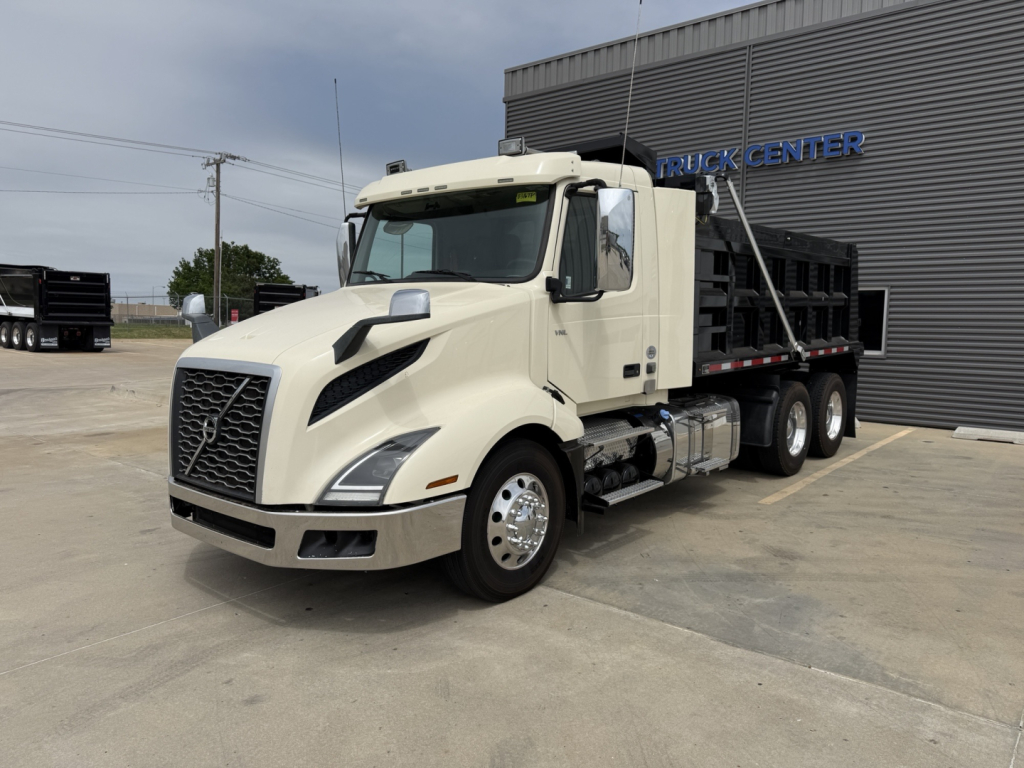
Have volvo dump truck to sell? List it here to reach thousands of buyers.
About Volvo Dump Trucks in Oklahoma
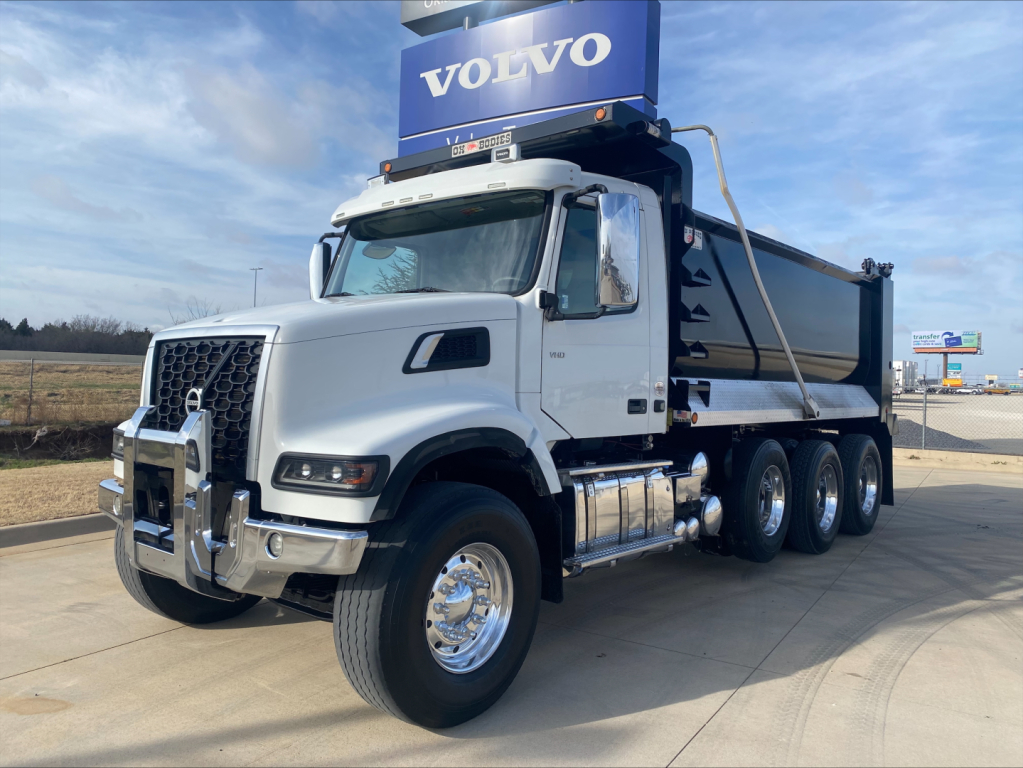
The first buying decision is usually chassis configuration. Tandem axle dump trucks are common for general construction and material delivery, while tri-axle setups with a lift axle or pusher axle are better suited for higher legal payloads. Front axle ratings often start around 12,000 pounds and can reach 20,000 pounds on heavier vocational specs. Rear axle ratings commonly run 40,000 to 46,000 pounds, with GVWR varying widely based on local bridge laws and body configuration. Wheelbase matters more than many buyers expect because it affects turning radius, body length, weight distribution, and how well the truck carries a full load without overloading the steer axle. In Oklahoma applications, 15-foot to 16.5-foot steel dump bodies and capacities around 15 to 22 cubic yards are common working specs.
Transmission and suspension choice should match the route and material. Allison automatic transmissions remain popular in dump service because they are easy to operate in soft ground, tight job sites, and repeated start-stop duty. Volvo I-Shift automated manual transmissions can be a good fit for fleets that want better highway efficiency and consistent shifting behavior, especially when the truck splits time between plant, quarry, and road miles. Suspension setup matters just as much. Spring or vocational rear suspensions such as Volvo T-Ride are typically preferred for stability and durability under off-road loading conditions, while air ride setups can be found on lighter-duty or mixed-use applications. Rear axle ratios in dump service are often selected for launch and gradeability rather than top-end speed, so a buyer should look closely at how the truck is geared for local haul distances and terrain.
Body and vocational equipment deserve the same attention as the cab and driveline. A steel dump bed is standard for abrasive materials, and buyers should inspect floor thickness, sidewall construction, hoist type, tailgate design, tarp system, and any signs of stress around hinge points and crossmembers. Common upfit details include pintle hitches, PTO-driven hydraulics, lift axles, double-frame reinforcement, and cab protection. Volvo dump trucks are also known for a comfortable cab layout, which can matter in fleets dealing with driver retention and long days on rough routes. The best unit is not just the newest or lowest-mile truck. It is the one with axle ratings, suspension, transmission, wheelbase, and body specs that match the payload, road conditions, and legal operating requirements of the job.
Frequently Asked Questions
What is the best Volvo dump truck model for heavy vocational work?
The Volvo VHD is the model most buyers target for dedicated dump truck service. It is built as a vocational platform with heavier axle options, durable frame configurations, and specs suited for dump bodies, mixers, and other construction applications. A converted highway chassis can work in lighter-duty dump service, but buyers hauling rock, asphalt, or demolition material usually prefer a true VHD because the truck is designed around jobsite durability and higher front-end loads.
Is an Allison automatic or Volvo I-Shift better in a dump truck?
It depends on the duty cycle. Allison automatics are widely preferred for severe stop-and-go work, soft ground, and jobs that require precise low-speed control because they are smooth and easy to operate. Volvo I-Shift transmissions can perform very well in dump applications that include more road miles, and they may offer better fuel economy and lower driver fatigue on mixed routes. The right choice comes down to haul distance, terrain, loading conditions, and driver preference.
What axle ratings should I look for on a Volvo dump truck?
A buyer should start with the payload target and local weight laws, then match that to front axle, rear axle, and any lift axle capacity. Common vocational front axles range from 12,000 to 20,000 pounds, while tandem rears often run 40,000 to 46,000 pounds. Tri-axle trucks add a pusher or tag axle to increase legal carrying capacity. It is important to review the complete weight distribution, not just GVWR, because body length, wheelbase, and material density all affect how the load sits on the truck.
What dump body size is common on Volvo dump trucks in Oklahoma?
Many Volvo dump trucks in Oklahoma are set up with steel bodies around 15 to 16.5 feet long, often in the 15 to 22 cubic yard range. That is a common spread for construction material, aggregate, and paving work. The ideal body size depends on the density of the material being hauled because lighter materials may allow a larger cubic capacity, while rock, wet dirt, or demolition debris can max out axle weights before the body is full.
What should I inspect on a used Volvo dump truck before buying?
Focus on both the truck chassis and the dump upfit. Check frame condition, suspension wear, axle ratings, PTO operation, hydraulic lines, hoist performance, body floor thickness, hinge points, tailgate seals, and signs of cracking around body mounts. Review engine hours, transmission type, rear ratio, and service history, especially if the truck has been used in severe off-road or short-haul work. On dump trucks, the body and hydraulic system can be just as important as mileage.