
Used Mitsubishi Dump Trucks For Sale in New York
Browse used Mitsubishi dump trucks for hauling dirt, gravel, and debris. Compare payload, body size, PTO setup, axle ratings, and brake type.
Learn moreNo exact matches found for your search
Showing Used Dump Trucks in New York instead.
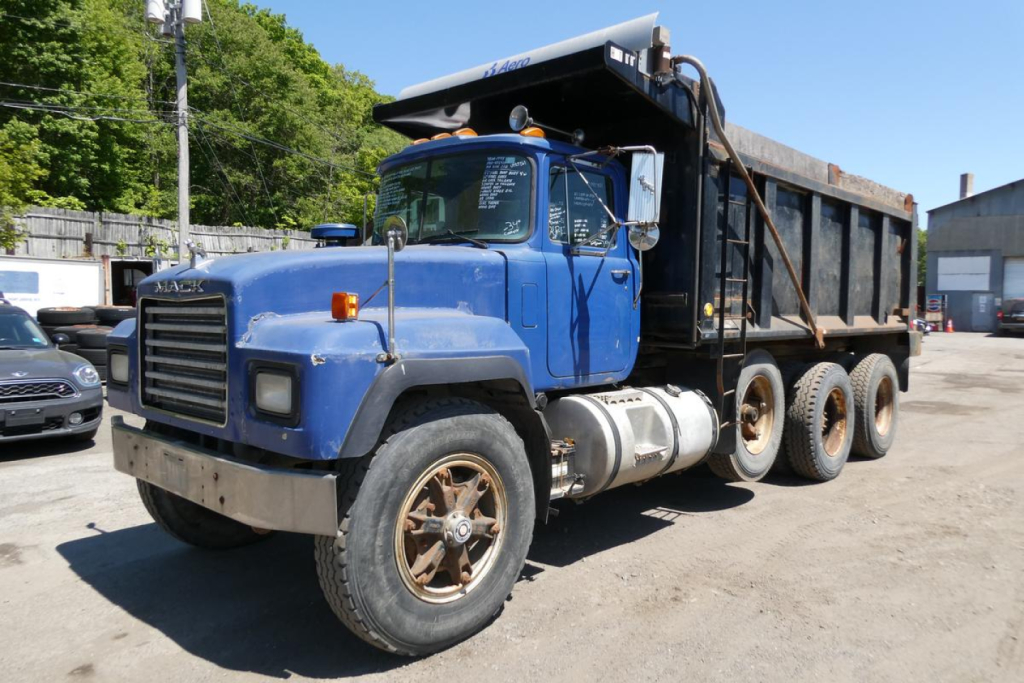
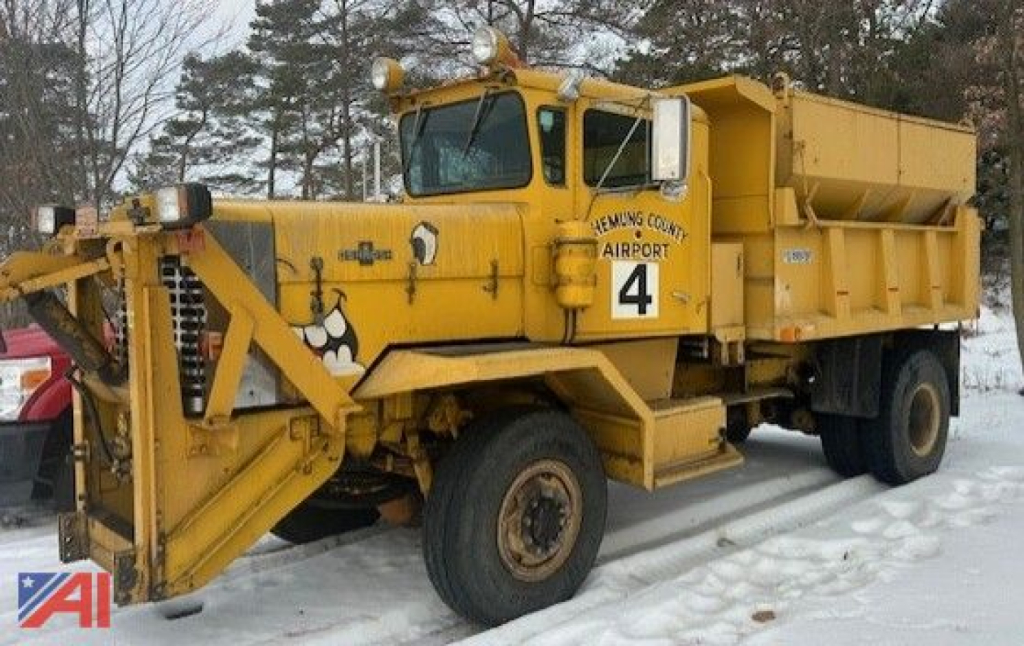
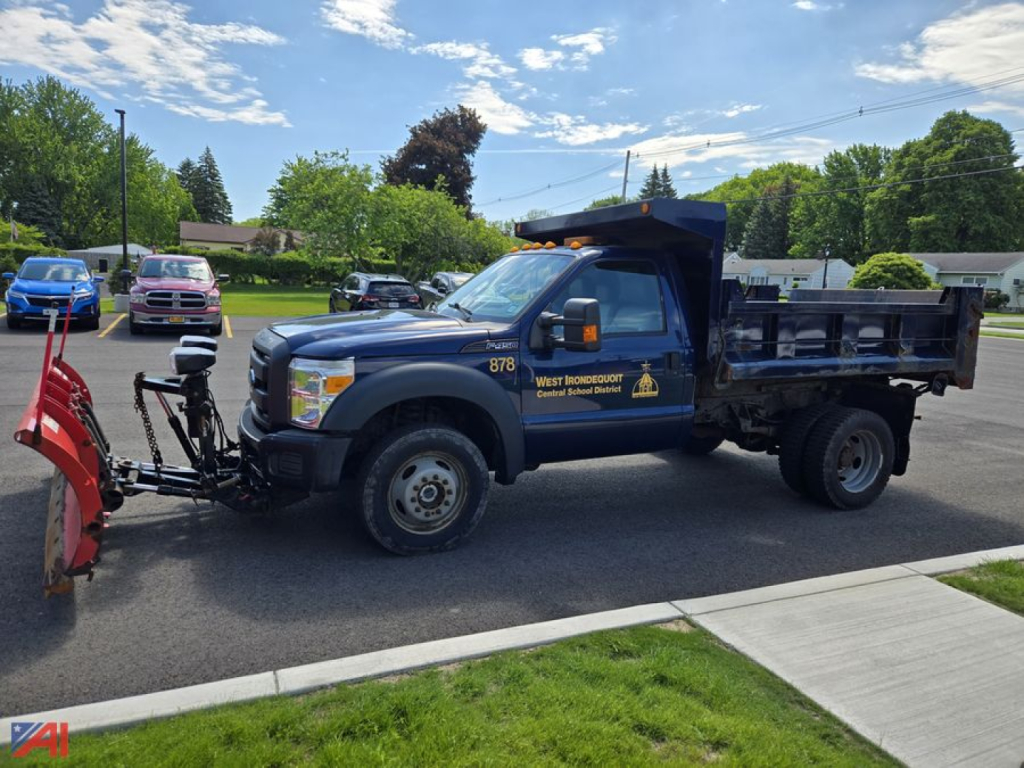
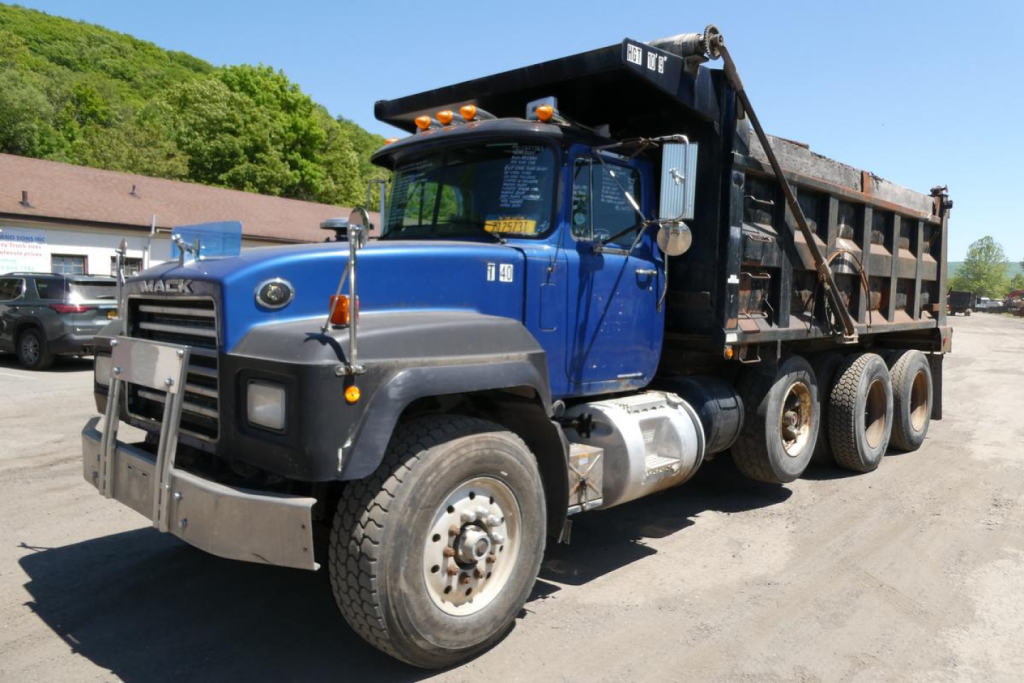
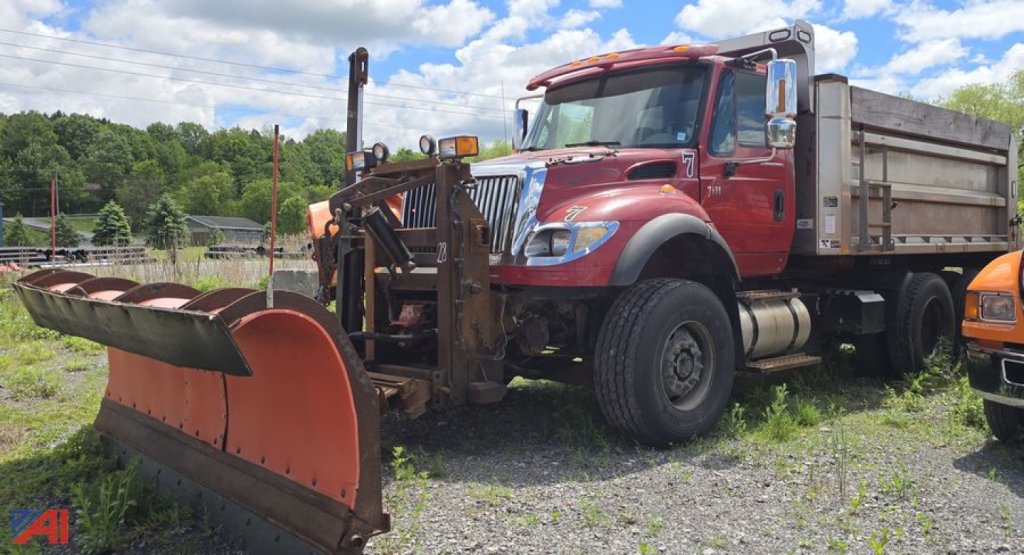
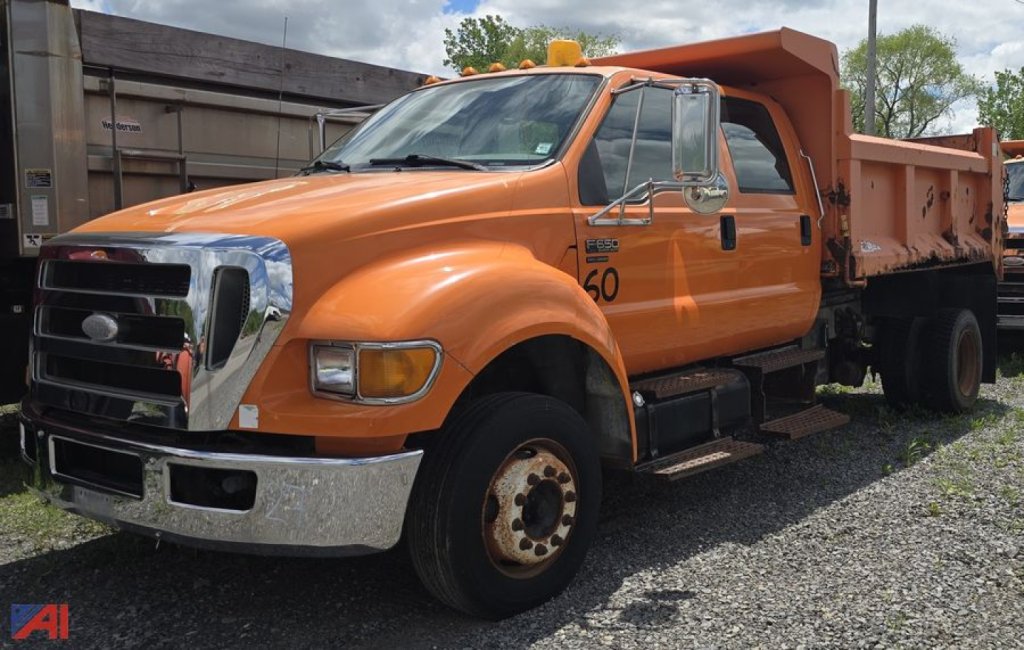
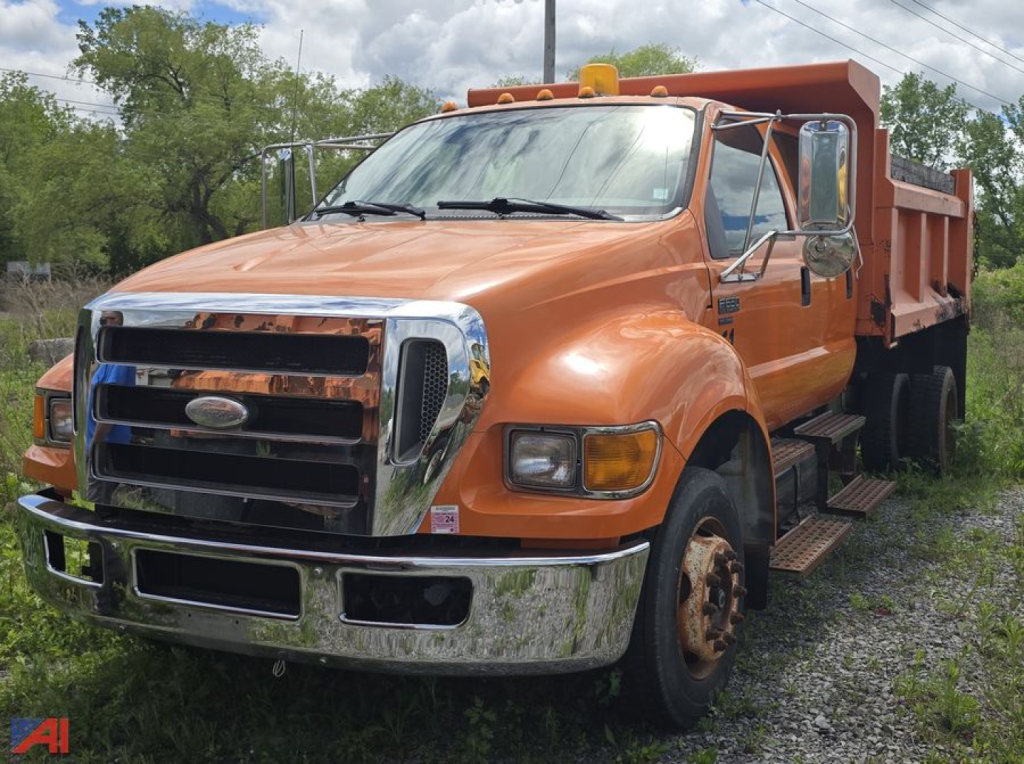
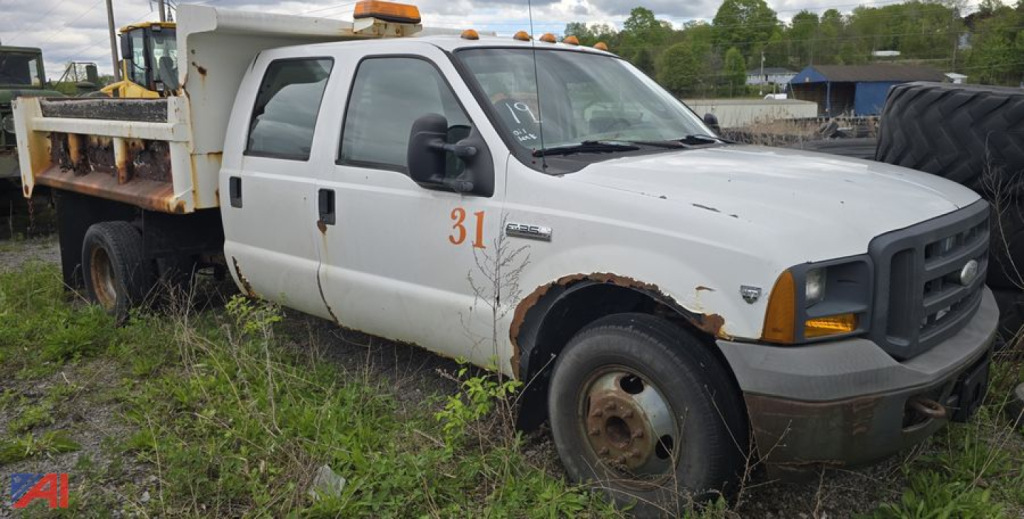
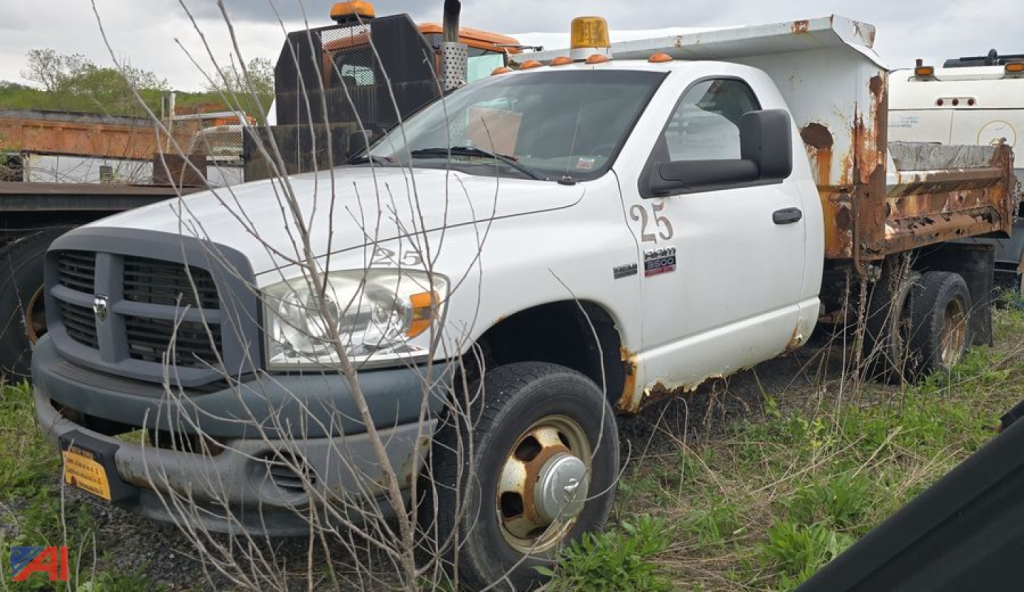
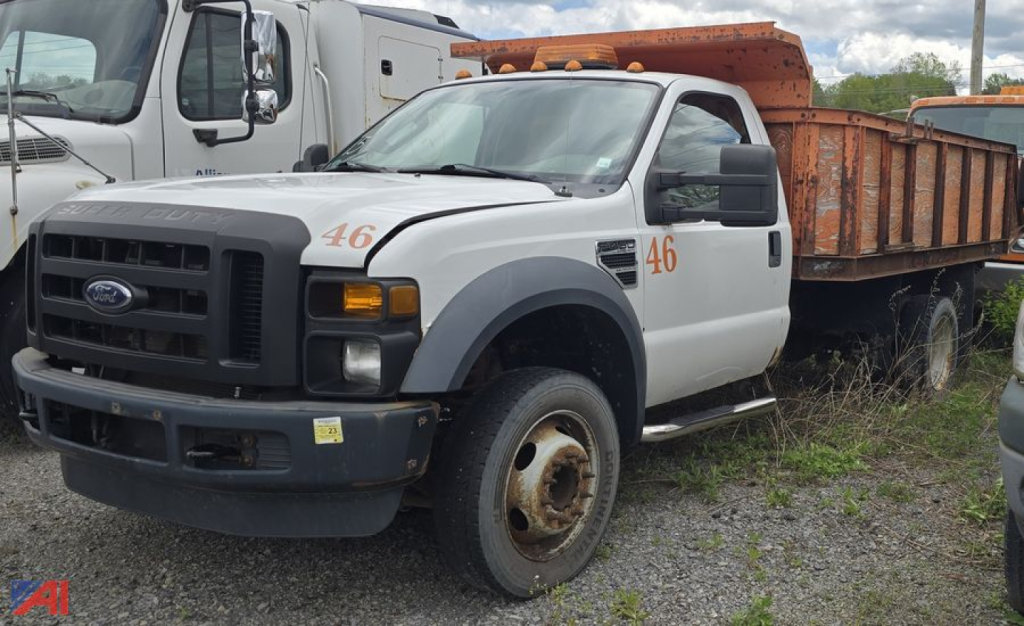
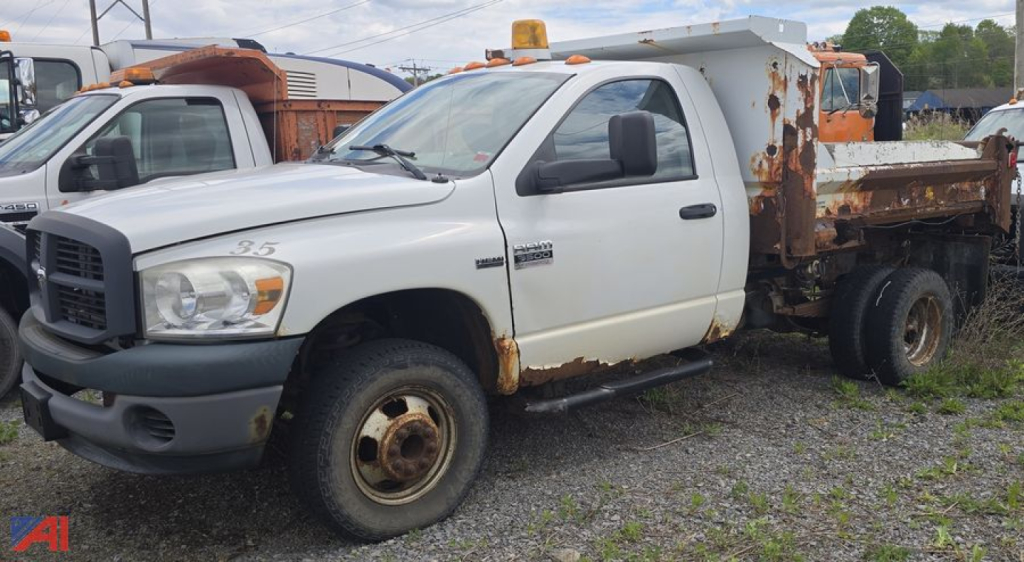
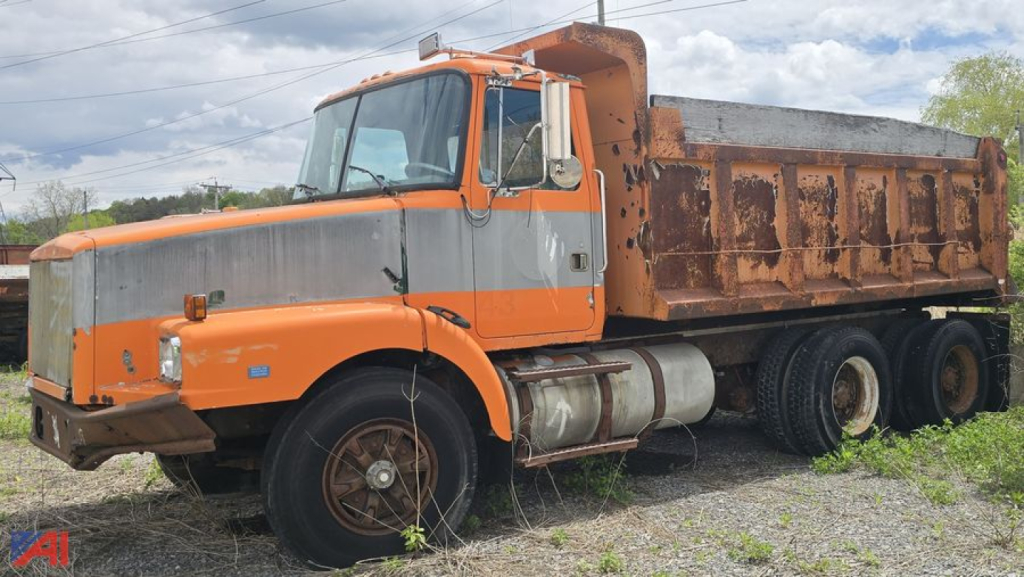
Showing 1 to 12 of 42 results
Have used mitsubishi dump truck to sell? List it here to reach thousands of buyers.
About Used Mitsubishi Dump Trucks in New York
The first buying decision is usually class and payload, not just price. Older Mitsubishi dump trucks are often configured with single rear axles, spring suspension, shorter wheelbases, and steel dump bodies in smaller lengths suited to local delivery work. Common spec points include GVWR, front and rear axle ratings, cab-to-axle measurement, body length, side height, PTO arrangement, and hoist design. On used units, pay close attention to whether the truck has a scissor hoist or underbody cylinder, a lever or air-operated tailgate, and a single-frame or reinforced frame setup. Brake type also matters, especially on older imports, since some were equipped with hydraulic or air-over-hydraulic systems rather than full air brakes.
Condition is where value is won or lost on a used Mitsubishi dump truck. Inspect cold-start behavior, blow-by, injector pump performance, clutch feel on manual transmissions, PTO engagement, hydraulic pump response, cylinder leakage, and body floor wear. Rust is a major issue in New York and other snow-belt states, so the dump body crossmembers, hinge points, hoist mounts, cab corners, frame rails, brake lines, and spring hangers deserve a close look. Check for cracked welds around the body, evidence of overloading, uneven tire wear, and tailgate damage from repeated aggregate service. If the truck has an older Mitsubishi diesel, parts availability and local service support should be confirmed before purchase.
For the right application, these trucks can still make sense as economical jobsite haulers or yard trucks, especially for buyers who prefer a smaller chassis over a full-size tandem dump truck. Mitsubishi dump trucks are also known for maneuverability, good visibility, and simple controls, which can be useful on residential sites and narrow streets. The best unit is the one matched to material type, trip distance, legal weight limits, and the type of hydraulic and brake system your operation is prepared to maintain.
Frequently Asked Questions
What should I inspect first on a used Mitsubishi dump truck?
Start with the engine, transmission, PTO, and hydraulic dump system because those components determine whether the truck can actually work and how expensive it will be to put into service. Confirm the engine starts normally without relying on ether or starting fluid, check for excessive smoke and blow-by, and make sure the manual or automatic transmission shifts correctly under load. Then test PTO engagement, dump cycle speed, cylinder operation, and tailgate function. On older Mitsubishi trucks, rust and brake-system condition are also high-priority inspection points, especially in New York.
Are Mitsubishi dump trucks good for heavy aggregate hauling?
Most Mitsubishi dump trucks found on the used market are better suited to lighter-duty or medium-duty work than constant high-volume aggregate hauling. They are commonly used for mulch, topsoil, small gravel loads, debris, and municipal maintenance rather than the kind of severe-duty work handled by larger tandem-axle dumps. The actual capability depends on the truck's GVWR, axle ratings, frame design, body size, and hoist setup. Buyers should match the truck to legal payload and duty cycle instead of assuming all dump bodies are built for the same job.
Why do brake type and PTO setup matter on a used dump truck?
Brake type affects driver requirements, service procedures, and parts sourcing. Some older Mitsubishi dump trucks use hydraulic or air-over-hydraulic brakes instead of full air brakes, which can change maintenance needs and operating preference. PTO setup matters because the dump body depends on it for hydraulic power. A cable-operated or mechanical PTO can be simple and durable, but it still needs to engage cleanly and run the pump without noise, leaks, or hesitation. A dump truck with a weak PTO or worn hydraulic system can become a repair project quickly.
What body and hoist features are common on older Mitsubishi dump trucks?
Many older Mitsubishi dump trucks use compact steel dump bodies with modest side heights, lever-operated tailgates, and either scissor-lift hoists or single-cylinder arrangements. Steel bodies are common because they hold up well in dirt, stone, and demolition service, but they should be inspected for floor thinning, bowing, cracked welds, and rust around crossmembers and hinges. Hoist design affects lifting stability, serviceability, and how well the truck handles different load types. A truck used in sticky material or uneven loading needs a hoist system in good condition with no signs of twist or hydraulic leakage.
Is parts support a concern with used Mitsubishi dump trucks?
It can be, particularly on older Mitsubishi commercial truck models that are no longer common in some U.S. service networks. Basic wear items may still be obtainable, but engine, brake, cab, and drivetrain parts can require more research than comparable domestic medium-duty trucks. Before buying, confirm availability for the specific engine family, transmission, brake components, hydraulic parts, and body hardware. Local mechanic familiarity also matters, because a truck that is inexpensive to buy can still be costly to keep running if service support is limited.