
Trucks For Sale Near Deer Park, New York
Browse trucks for sale in Deer Park, NY including box, dump, vocational, and highway models with specs that matter for hauling, delivery, and work.
Learn more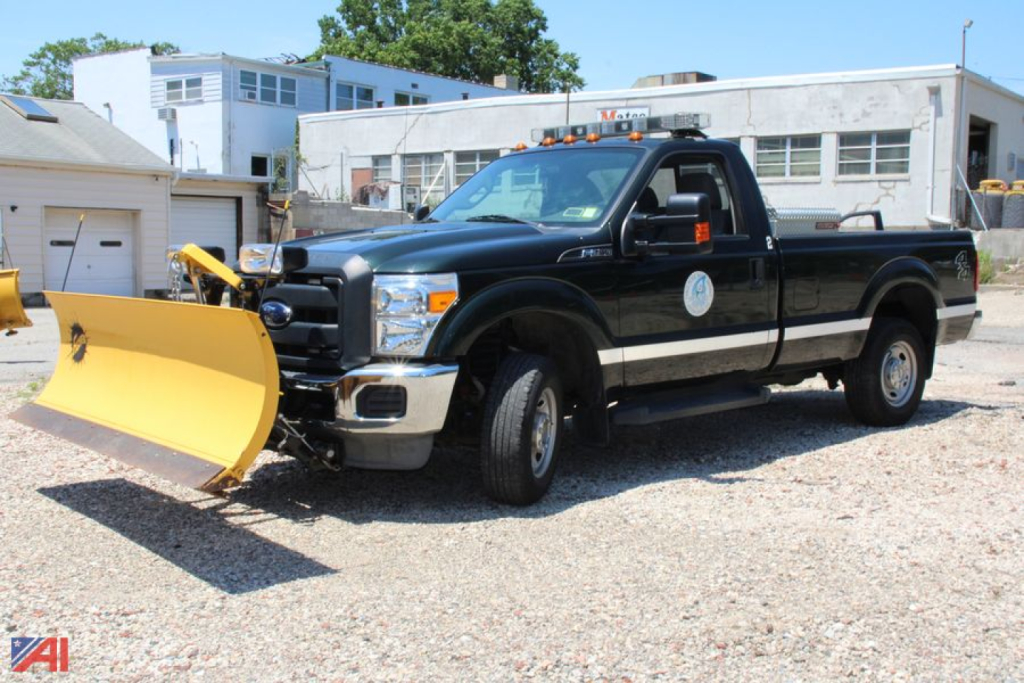
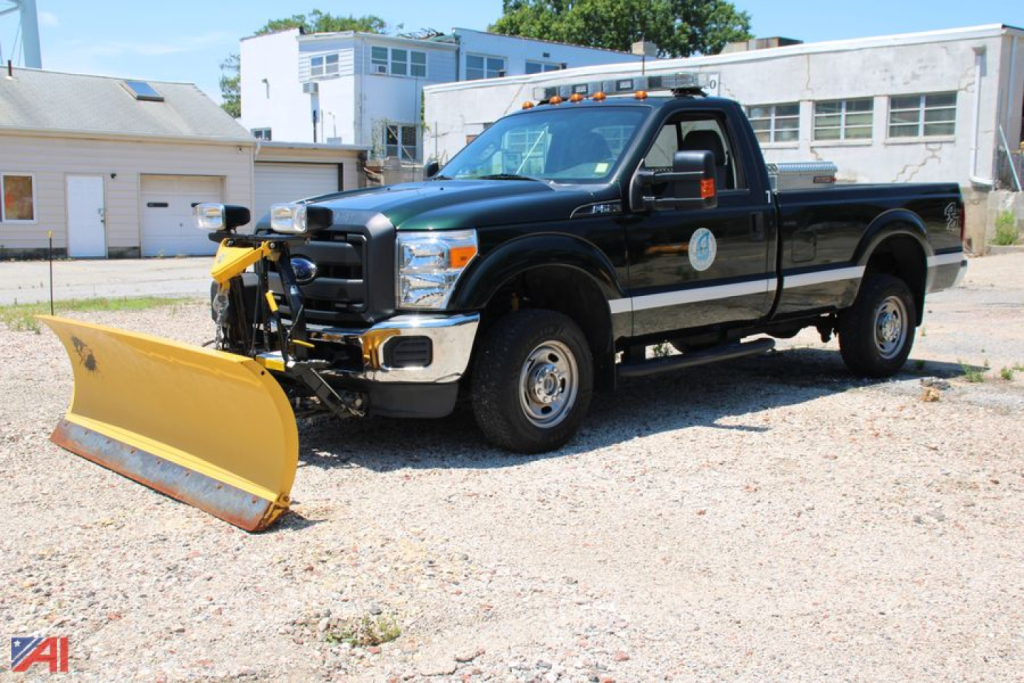
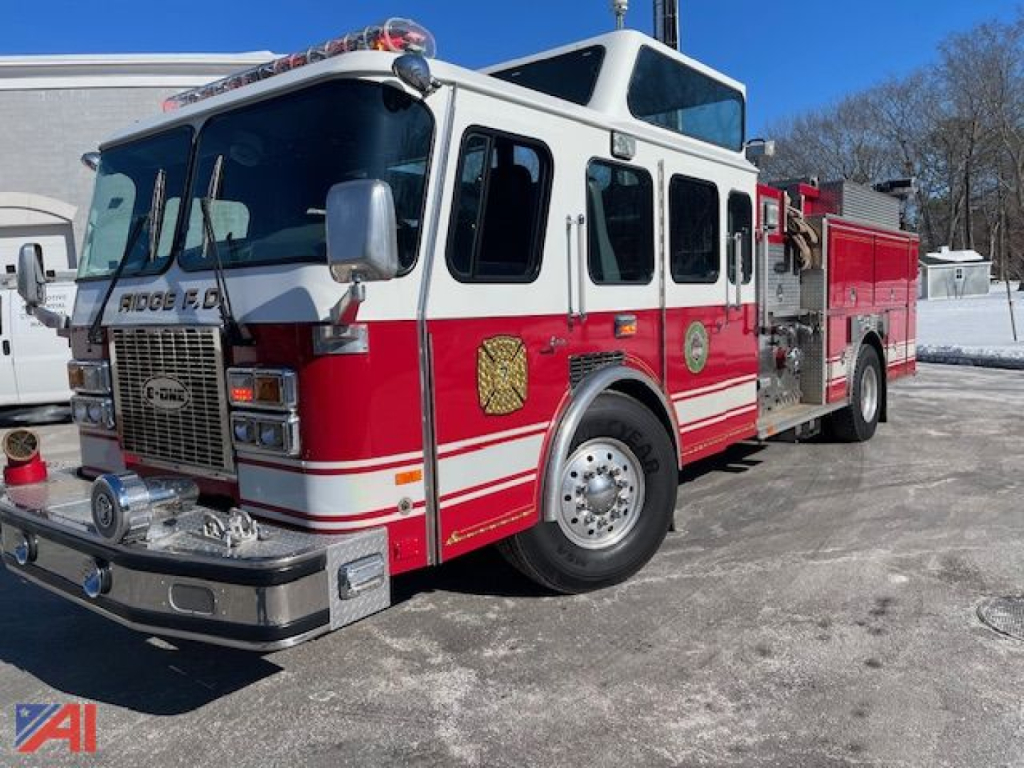
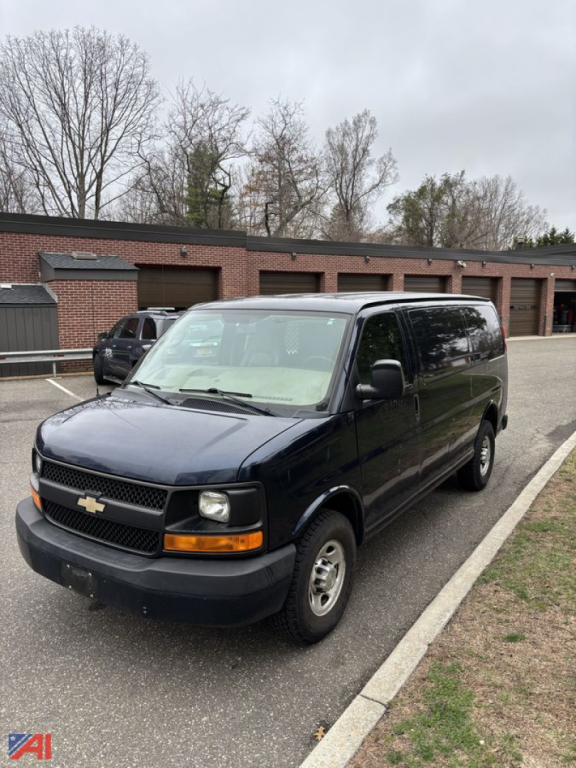

Have truck to sell? List it here to reach thousands of buyers.
About Trucks Near Deer Park, New York
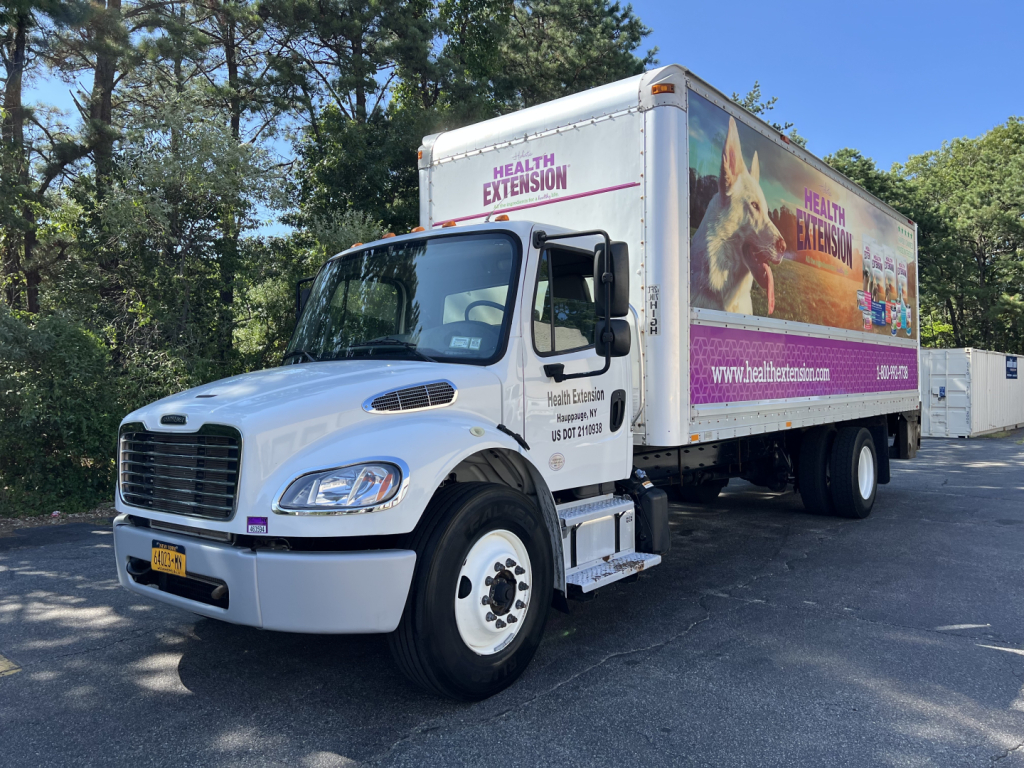
For medium-duty trucks, buyers usually compare cab-to-axle dimensions, body length, payload capacity, engine output, and transmission type. Models like the Freightliner M2, International 4300, Ford E-Series and similar chassis are common because they support a wide range of bodies, including box, dump, service, reefer, stake, and emergency equipment. Diesel engines from makers such as Detroit, Cummins, Paccar, and International are typical in this segment, with horsepower and torque selected around route demands rather than maximum output alone. Automatic transmissions are often preferred for city delivery and municipal work, while manual or automated manual setups still appeal in heavier applications where grade control, serviceability, or driver preference matters.
If the truck is a road tractor, key buying points shift to engine brake performance, rear axle ratio, wheelbase, sleeper or day cab configuration, fuel capacity, and transmission choice. A 10-speed manual, automated manual, or fully automatic transmission can each make sense depending on lane, terrain, and driver pool. Buyers running the Northeast often pay close attention to maneuverability, bridge and road restrictions, corrosion exposure, and maintenance history because stop-and-go traffic, winter road treatment, and tight loading areas can accelerate wear. On vocational trucks, inspect PTO operation, hoist condition, frame integrity, suspension type, hydraulic system health, and signs of body or subframe repair. On box trucks, look closely at door seals, floor condition, liftgate specs, cargo body dimensions, and any evidence of water intrusion.
Across all truck types, the strongest value usually comes from matching the truck to the work instead of chasing the highest horsepower or lowest odometer. Check VIN-based spec consistency, emissions system service records, tire date codes, brake wear, steering play, and any idle-hour data available. In Deer Park and the broader Long Island market, buyers often need trucks that can handle dense traffic, short-haul cycles, and frequent starts without giving up payload or uptime. A well-matched truck should have enough capacity for the job, parts support for the chassis and engine platform, and a configuration that keeps operating costs predictable over the long term.
Frequently Asked Questions
What types of trucks are commonly found in the Deer Park, New York market?
The Deer Park market typically includes medium-duty box trucks, dump trucks, service and specialty trucks, emergency vehicles, and Class 8 highway tractors. This mix reflects local demand from delivery fleets, construction contractors, municipalities, and regional carriers. Buyers often compare trucks across multiple categories because body style, GVWR, and axle configuration can matter more than make alone when the truck needs to fit a specific job.
How do I choose between a medium-duty truck and a Class 8 tractor?
The choice comes down to load type, trailer use, route profile, and total combined weight. Medium-duty trucks are better suited for local delivery, vocational work, and applications where a fixed body such as a box, dump, or service body is required. A Class 8 tractor is the better fit for pulling semi-trailers, carrying heavier combined loads, and spending more time on the highway. Buyers should compare GVWR, GCWR, wheelbase, body or trailer compatibility, and turning radius before narrowing the field.
What specs matter most when buying a used box or dump truck?
On a used box truck, the most important items are GVWR, body length, cargo box condition, liftgate capacity if equipped, cab-to-axle dimension, and transmission type. On a dump truck, focus on hoist performance, PTO engagement, hydraulic condition, frame strength, suspension setup, and body wear. In both cases, engine make, horsepower, brake condition, tire age, rust exposure, and maintenance documentation are critical because they directly affect uptime and repair cost.
Are automatic transmissions a better choice for local truck work?
Automatic transmissions are often a strong fit for local and urban truck work because they reduce driver fatigue in stop-and-go traffic and can simplify hiring across a wider driver pool. They are especially common in delivery, municipal, and medium-duty fleet applications. Manual and automated manual transmissions still have advantages in certain heavier-duty uses, particularly where driver preference, terrain control, or service familiarity plays a role. The best choice depends on route density, load demands, and who will be behind the wheel.
What should I inspect on a used truck in the Northeast?
Northeast trucks deserve extra attention to corrosion, frame condition, brake lines, suspension components, wiring, and cab or body rust because winter road treatment can accelerate deterioration. Buyers should also inspect emissions components, steering and front-end wear, tire condition, hydraulic systems on vocational units, and any signs of body repair or water intrusion. A truck that looks acceptable cosmetically can still have costly underbody or structural issues, so a detailed mechanical and chassis inspection is worth the time.