
2020 Day Cab Trucks For Sale
Shop 2020 day cab trucks with common specs, engine options, axle ratings, and application guidance for regional, port, vocational, and local hauling.
Learn more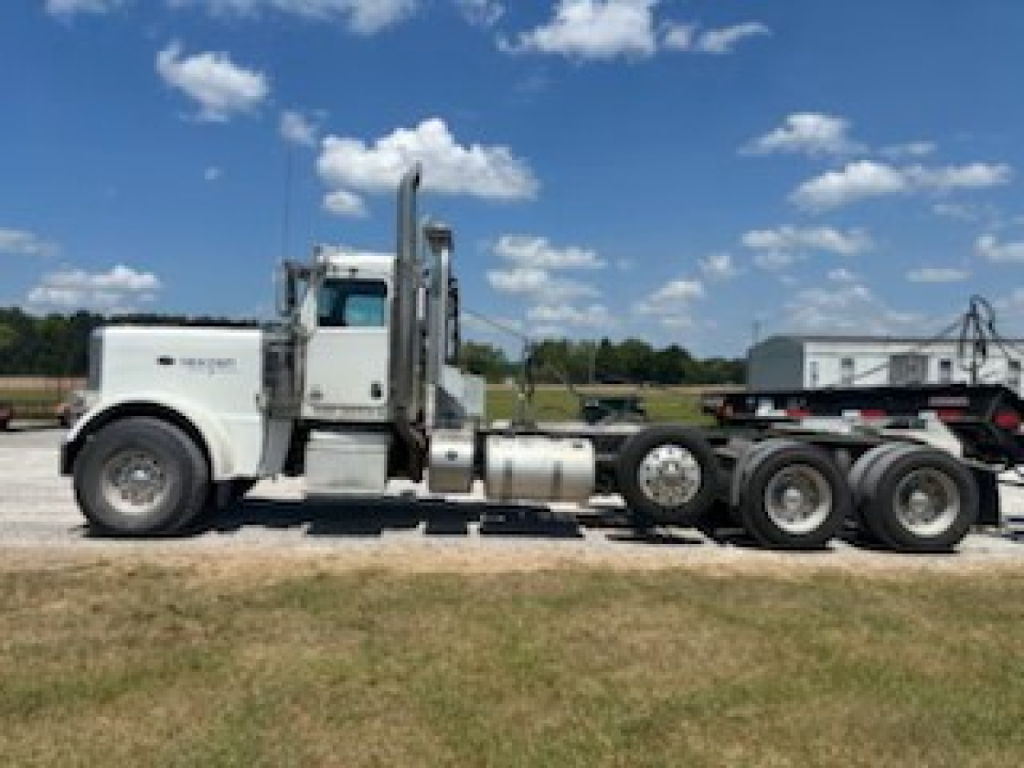
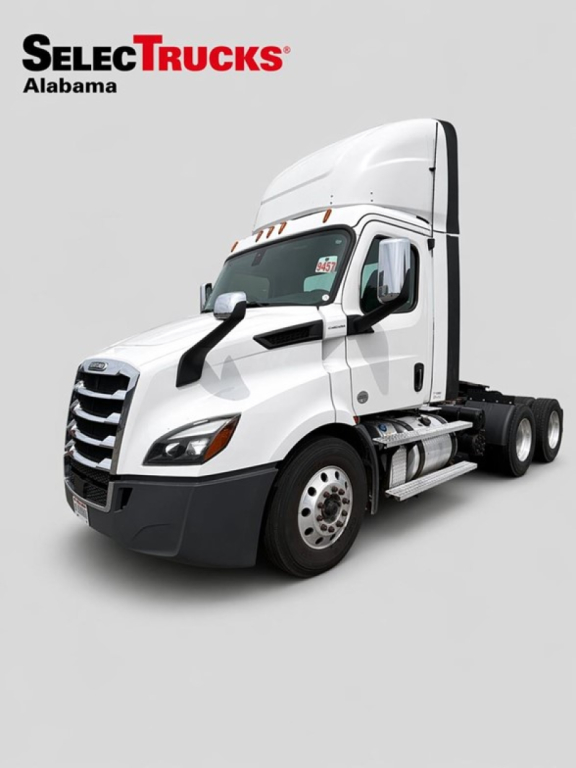
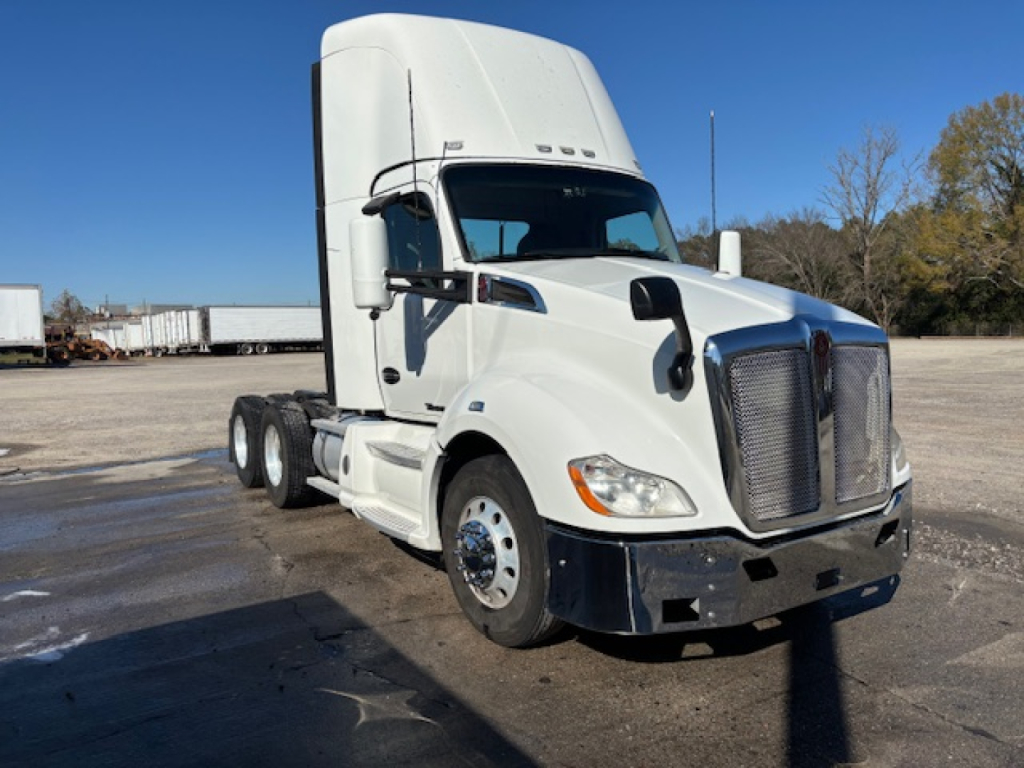
Have 2020 day cab truck to sell? List it here to reach thousands of buyers.
About 2020 Day Cab Trucks
In the 2020 model year, common engine choices included the Detroit DD13 and DD15, Cummins X15, PACCAR MX-13, and in some medium-heavy applications engines like the Cummins L9. Horsepower typically falls from the low 300s into the 500 HP range depending on application, while transmissions may be manual, automated manual, or full automatic in certain vocational setups. Buyers should pay close attention to rear axle ratio, wheelbase, suspension type, and front and rear axle ratings. A 4x2 day cab for regional van or reefer work is a very different truck from a tandem-axle 6x4 spec with 40,000 lb rears, PTO provisions, and a set-back or set-forward axle intended for heavy hauling or vocational body installation. Fifth wheel style, sliding travel, and frame condition also matter if the truck will switch between trailers or be repurposed.
For many fleets and owner-operators, a 2020 day cab truck is attractive because it can balance operating cost with productivity. These trucks often have newer interiors, better insulation, improved steering feel, and available driver-assist systems such as collision mitigation, lane departure warning, and adaptive cruise features depending on make and trim. Fuel capacity is another practical consideration. Local and terminal trucks may carry smaller tanks to save weight, while regional day cabs may be equipped with dual tanks for longer range. If your work includes live-floor trailers, dumps, lowboys, or tank applications, check for PTO compatibility, hydraulic plumbing, and transmission programming. If the truck is intended for city or multi-stop work, turning radius, cab access, visibility, and brake spec can matter as much as engine rating.
Condition should be judged by more than odometer miles. On a 2020 day cab, idle hours, maintenance records, aftertreatment service history, clutch life on manual or AMT units, suspension wear, and evidence of frame or fifth wheel abuse can tell you more about remaining value than the model year alone. Buyers should also verify emissions compliance, tire size, wheel material, and whether the truck has air ride suspension, locking differentials, disc or drum brakes, and the gearing needed for highway speed versus startability. A well-matched 2020 day cab truck can be a strong fit for short-haul freight, vocational tractor work, and dedicated regional lanes, especially when the spec lines up with payload, terrain, and trailer type.
Frequently Asked Questions
What is a 2020 day cab truck best used for?
A 2020 day cab truck is best suited for local and regional hauling where the driver returns home daily and does not need a sleeper. Common applications include port drayage, LTL, tanker work, dump and transfer service, container hauling, and short regional van or reefer lanes. The best use depends on the truck's axle configuration, wheelbase, engine rating, suspension, and PTO provisions, not just the fact that it is a day cab.
What specs matter most when buying a used 2020 day cab?
The most important specs are engine and transmission combination, rear axle ratio, axle ratings, wheelbase, suspension type, and fuel capacity. Buyers should also review fifth wheel setup, tire size, frame layout, and whether the truck has PTO capability for hydraulic or vocational applications. These details determine startability, cruise RPM, payload suitability, maneuverability, and how easily the truck can be matched to the trailers or body equipment it will handle.
Are 2020 day cab trucks good for regional highway work?
Yes, many 2020 day cab trucks are excellent for regional highway work if they were spec'd correctly. A highway-oriented day cab typically has an aerodynamic chassis, efficient rear gearing, a higher direct or overdrive transmission, and enough fuel capacity for longer daily runs. A vocational day cab with deep gears, heavy rears, and a shorter wheelbase may be durable, but it can be less efficient and less comfortable for steady highway lanes.
What should I inspect on a 2020 day cab with an emissions engine?
Inspect the full aftertreatment and emissions history, including any DPF cleaning intervals, SCR and DEF system repairs, fault code history, and evidence of repeated derates. Service records for EGR components, sensors, and software updates are important on a 2020 truck because maintenance quality has a direct effect on uptime. It is also wise to review engine hours against miles, since high idle time can affect wear and aftertreatment performance even when mileage looks reasonable.
Is an automatic or manual transmission better in a 2020 day cab truck?
That depends on the route and application. Automated manual transmissions are common in 2020 day cabs because they reduce driver fatigue, improve shift consistency, and can help fuel economy in regional and urban service. Manual transmissions still appeal in certain vocational and heavy-haul roles where driver preference, PTO setup, or operating conditions make direct gear control useful. The right choice comes down to terrain, driver pool, maintenance support, and how the truck is expected to work every day.