
Trucks For Sale Near Cortez, Colorado
Browse trucks for sale in Cortez, Colorado, including vocational and commercial models for hauling, service, municipal, and jobsite work.
Learn more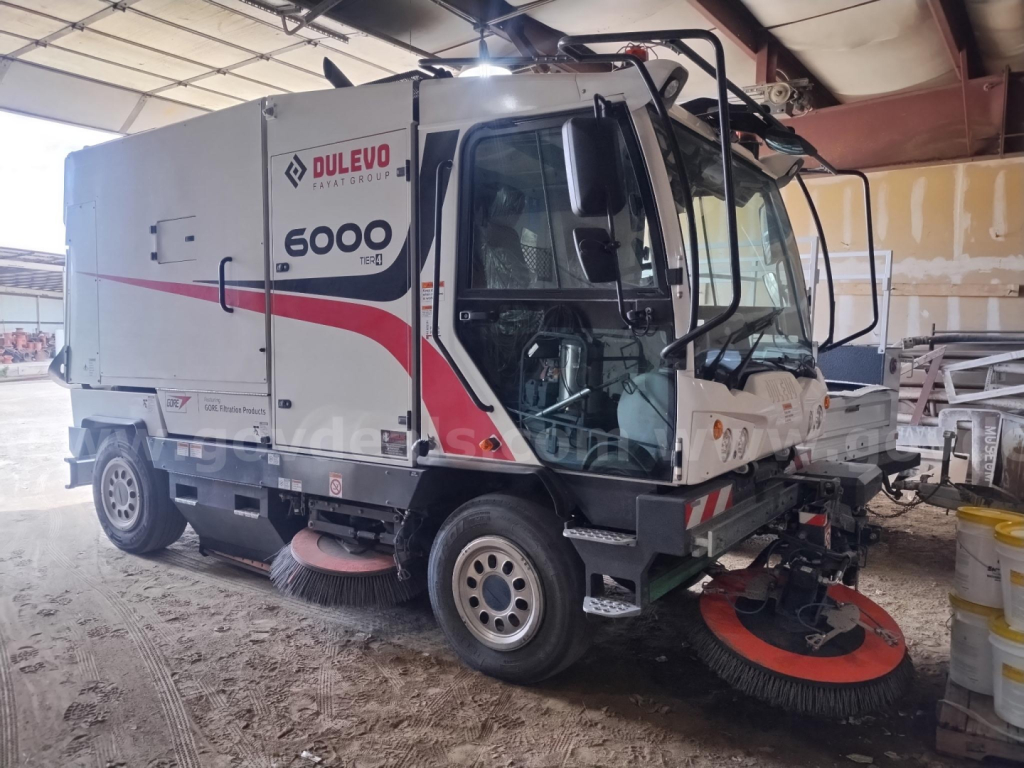
Have truck to sell? List it here to reach thousands of buyers.
About Trucks Near Cortez, Colorado
A buyer comparing trucks should pay close attention to GVWR, wheelbase, cab style, PTO capability, axle configuration, and body compatibility. Medium-duty trucks commonly serve contractors, municipalities, landscapers, delivery operations, and local service fleets, while heavy-duty trucks are better suited for higher payloads, severe-duty work, trailers, and more demanding terrain. In Colorado, engine performance at altitude matters, and buyers often look closely at torque curves, cooling system capacity, transmission gearing, and rear axle ratios to keep the truck productive on grades and in stop-and-go conditions. If the truck is vocational, body condition and equipment integration matter as much as the chassis. Hydraulic systems, hopper capacity, tank size, broom setup, compressor output, crane rating, or dump hoist specs can define how useful the unit will be in daily service.
Condition should be evaluated beyond mileage alone. Idle hours, PTO hours, maintenance records, corrosion, frame condition, suspension wear, brake life, tire condition, and signs of hard vocational use all affect long-term value. For fleet and municipal trucks, buyers should also verify emissions compliance, lighting and camera systems, backup safety equipment, and the condition of in-cab controls. If the truck will operate in tight streets, county roads, or mountain towns around southwest Colorado, turning radius, visibility, overall length, and service access can be just as important as engine size. A well-matched truck reduces downtime, supports legal payload, and fits the actual route and work cycle instead of forcing compromises after purchase.
The truck market also includes many specialty units that are better understood by the job they perform than by the chassis underneath. A street sweeper, for example, combines a commercial truck platform with sweeping gear, debris handling systems, filtration, water systems, and cab controls designed for municipal or contractor cleaning work. That same logic applies across the category. Buyers should evaluate both the base truck and the installed equipment as a single working asset. When the chassis specs, vocational package, and service history line up with the intended use, a truck becomes a revenue-producing tool rather than just another piece of rolling equipment.
Frequently Asked Questions
What should I look for first when buying a used commercial truck?
Start with the job the truck needs to perform. Payload, trailer requirements, PTO use, terrain, and daily route length should determine the correct GVWR class, axle setup, engine rating, transmission, and body style. After that, review service records, hours, frame condition, brakes, tires, suspension, and any vocational equipment mounted on the chassis. A truck that matches the application is usually a better buy than one with extra features that do not improve productivity.
How important is altitude when choosing a truck in Colorado?
Altitude matters because it affects power delivery, cooling demand, and drivetrain performance on long grades. In Cortez and surrounding areas, buyers often prioritize engines with strong low-end torque, transmissions with appropriate ratios, and cooling systems that can handle mountain and summer operation. For vocational trucks, hydraulic performance and PTO function under load are also worth checking, especially if the truck will spend time climbing or working at elevation.
Does mileage tell the full story on a used truck?
No. Mileage is only one part of the picture, especially on vocational and municipal trucks that may spend long periods idling or operating equipment through a PTO. Engine hours, PTO hours, maintenance history, wear in the cab and controls, hydraulic condition, and structural integrity can reveal more than odometer readings alone. A low-mile truck with high idle time or neglected maintenance may be less desirable than a higher-mile truck with thorough service documentation.
What is different about buying a vocational truck versus a standard chassis truck?
A vocational truck should be evaluated as both a chassis and a work system. The engine, transmission, axles, and wheelbase still matter, but the mounted equipment often drives the real value. Buyers should inspect the condition and capacity of the body, hydraulic components, pumps, tanks, sweep systems, hoists, cranes, blowers, or other installed tools. Compatibility between the chassis and the vocational package is critical for safe operation, legal loading, and long-term serviceability.
Are municipal and fleet-owned trucks worth considering?
They can be, especially when maintenance has been documented and the equipment has been operated on scheduled service intervals. Municipal and fleet trucks are often spec'd for durability, operator safety, and predictable maintenance, which can be a benefit to the next owner. Buyers should still inspect for corrosion, idle wear, deferred repairs, and the condition of specialty systems, but a well-maintained fleet truck can offer solid value in the used market.