
Volvo Conventional Sleeper Trucks For Sale in Iowa
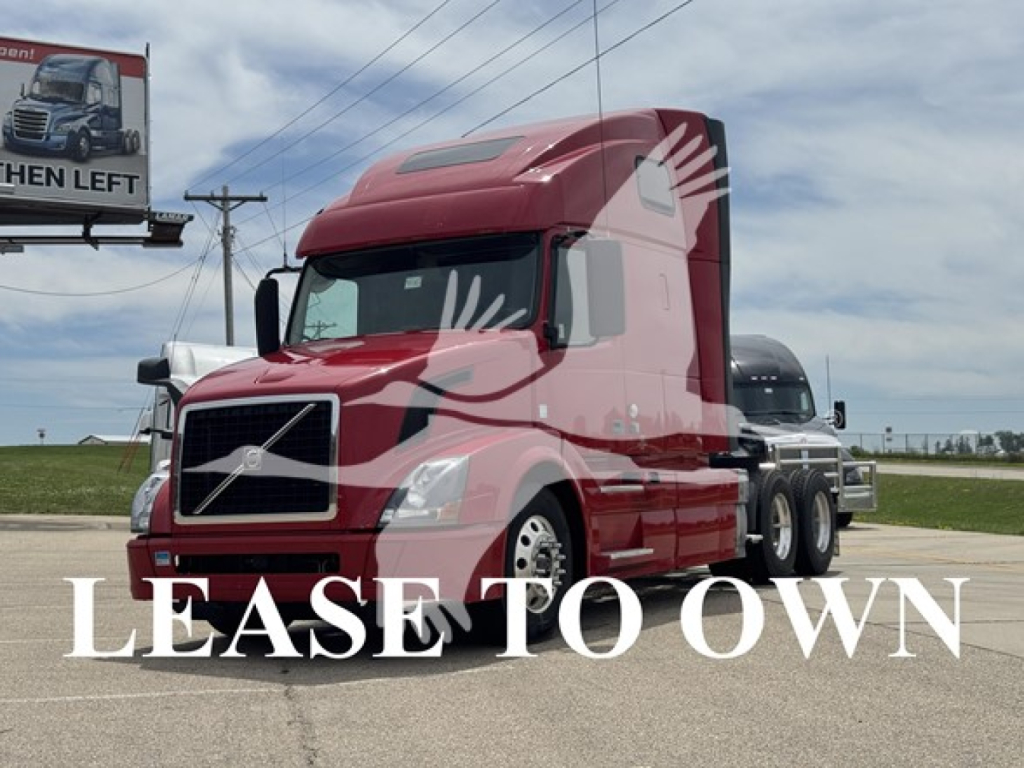
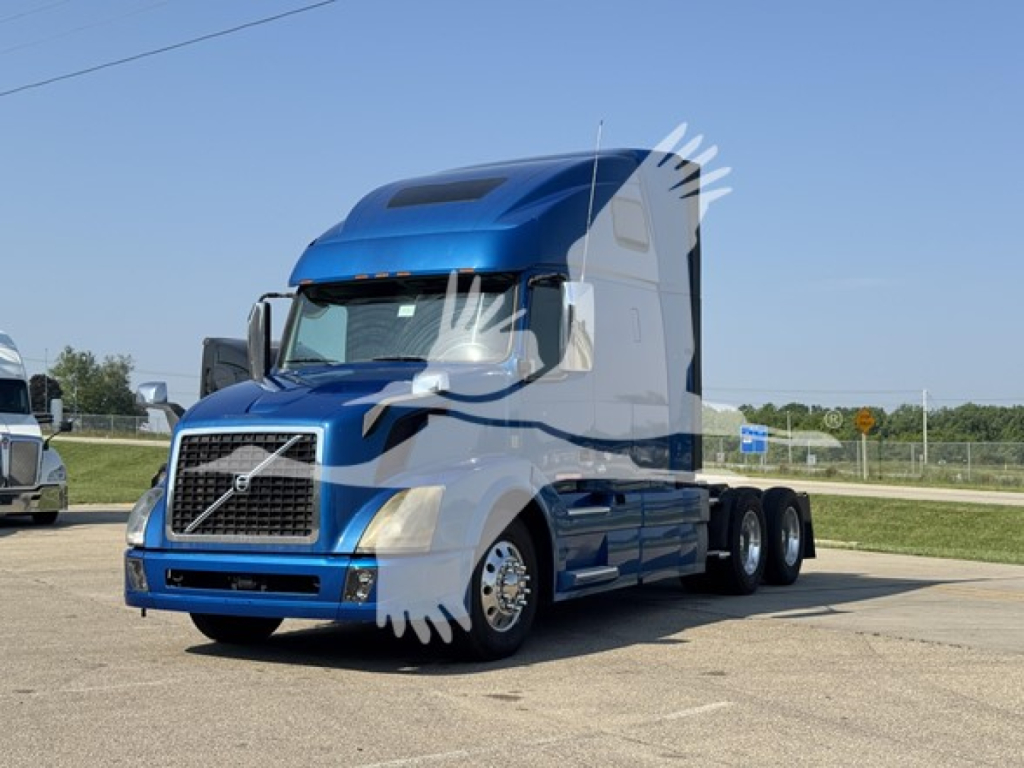
Shop Volvo conventional sleeper trucks with popular VNL specs, D13 power, high-roof sleepers, and fuel-efficient setups for long-haul freight.
Learn more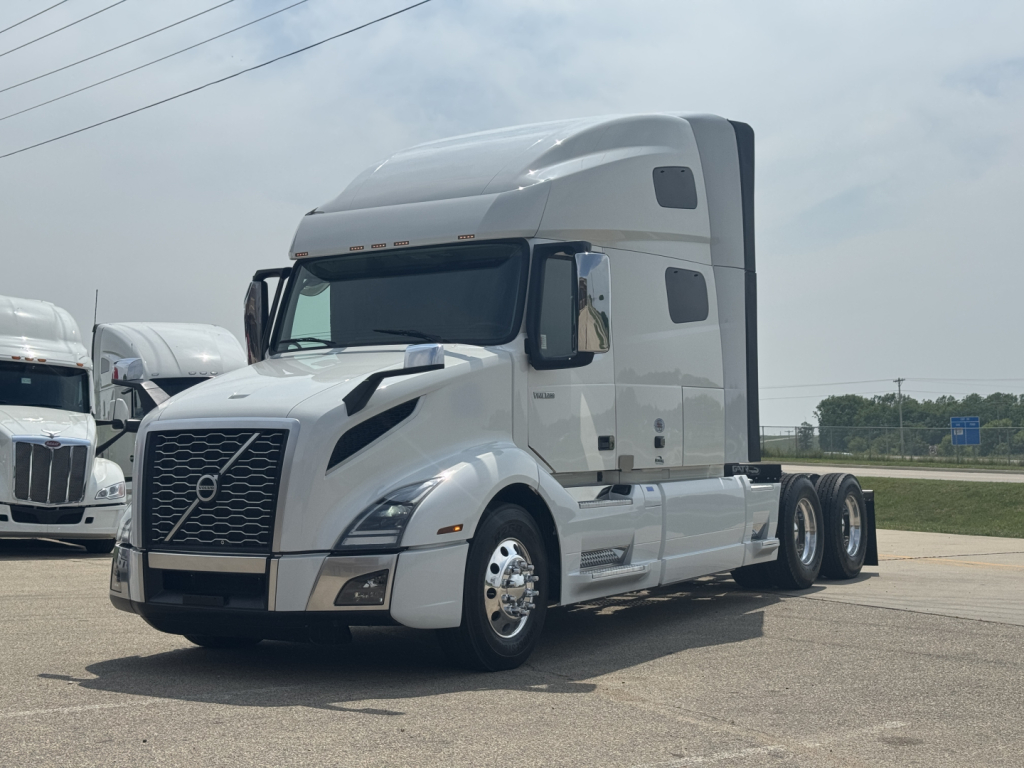
Have volvo conventional sleeper truck to sell? List it here to reach thousands of buyers.
About Volvo Conventional Sleeper Trucks in Iowa
Powertrain choice matters more than trim level on a used sleeper. Many Volvo conventional sleepers are spec'd with the Volvo D13 engine paired to the I-Shift automated manual transmission, a combination that has become popular for its drivability, fuel efficiency, and broad service familiarity. Horsepower commonly falls in the 425 to 500 HP range, with rear axle ratios often selected to balance low-rpm cruising against startability and grade performance. Buyers should compare mileage, idle hours, emissions system history, and whether the truck is still operating with original aftertreatment components. If the truck has been modified or deleted, that needs close review for compliance, resale, and service implications.
Sleeper configuration is another major separator in this class. Mid-roof and high-roof sleepers can include single or double bunk layouts, storage cabinets, refrigerator space, bunk heaters, inverters, and work surfaces for drivers who stay out for extended periods. Volvo interiors are generally well regarded for ergonomics, visibility, and lower noise levels, which can make a real difference in driver retention. On the chassis side, most conventional sleepers in this segment are tandem axle highway tractors with 6x4 drivetrains, sliding fifth wheels, and wheelbase specs tailored to van, reefer, or general freight work. Fuel capacity, fairing condition, tire spec, and suspension setup all affect operating cost and route suitability.
A good Volvo sleeper truck should be evaluated as a complete operating package, not just by model year and odometer. Service records, transmission calibration history, DPF and SCR maintenance, brake and tire wear, and sleeper equipment condition all deserve attention. Buyers comparing trucks in this category should also look at cab configuration, bunk amenities, warranty status if applicable, and the exact drivetrain spec against the freight they plan to haul. The right Volvo conventional sleeper can deliver a strong blend of comfort, efficiency, and highway productivity when the spec matches the job.
Frequently Asked Questions
What engines and transmissions are common in Volvo conventional sleeper trucks?
The most common setup is the Volvo D13 diesel engine paired with the Volvo I-Shift automated manual transmission. Many used Volvo VNL sleeper trucks are rated between 425 and 500 horsepower, with drivetrain specs aimed at highway fuel economy and low driver fatigue. Some trucks may have different engine ratings, rear axle ratios, or transmission calibrations, so it is important to match the spec to the freight, terrain, and average gross weight you expect to run.
What is the difference between a Volvo VNL 670 and a VNL 760 sleeper?
The Volvo VNL 670 is typically seen as a more compact sleeper configuration, while the VNL 760 usually offers a larger high-roof sleeper with more interior room and amenities. The 760 is often preferred for longer over-the-road routes, team driving, or operations where drivers spend more nights in the truck. Exact interior layout can vary by spec, so buyers should confirm bunk setup, cabinet space, fridge provision, and other sleeper features on each truck.
Are Volvo sleeper trucks a good choice for fuel economy?
Volvo sleeper trucks are widely recognized for strong fuel economy when properly spec'd and maintained. Aerodynamic body design, integrated powertrains, and the I-Shift transmission all contribute to efficient highway performance. Real-world fuel results still depend on axle ratio, cruise speed, trailer type, terrain, idle time, and maintenance condition, so a buyer should evaluate the full operating spec instead of relying on brand reputation alone.
What should I inspect on a used Volvo conventional sleeper truck?
Key inspection points include engine service history, emissions system maintenance, transmission operation, suspension wear, brake life, tire condition, and signs of excessive idle time or poor repair practices. The sleeper itself should also be checked for bunk heater operation, HVAC performance, refrigerator function, water leaks, cabinet damage, and inverter condition if equipped. On late-model trucks, remaining factory warranty and documented dealer service can add meaningful value.
Is a deleted Volvo sleeper truck a risk for buyers?
A deleted truck can create legal, registration, resale, and service complications depending on where and how the truck will operate. It may also limit financing options or create issues with future emissions compliance. Buyers should verify exactly what modifications were made, whether original emissions components are available, and how that status affects their intended use before making a purchase decision.