
Used Freightliner Conventional Sleeper Trucks For Sale in Arizona
Browse used Freightliner conventional sleeper trucks in Arizona. Compare Cascadia specs, sleeper sizes, emissions systems, and driveline options.
Learn more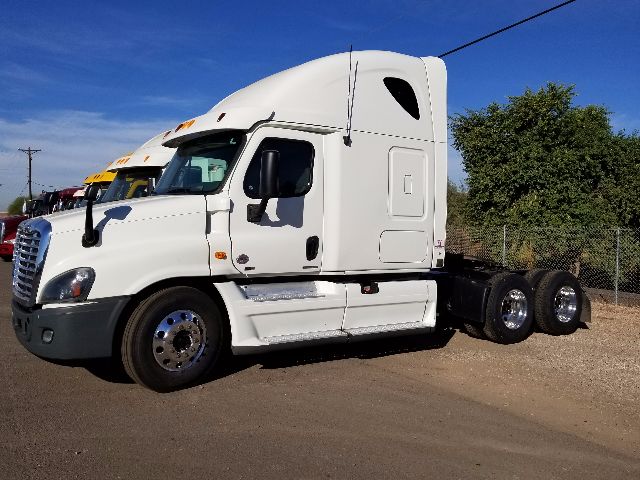
Have used freightliner conventional sleeper truck to sell? List it here to reach thousands of buyers.
About Used Freightliner Conventional Sleeper Trucks in Arizona
The main buying decisions usually start with engine, transmission, and rear axle ratio. Many used Freightliner sleepers are spec'd with Detroit diesel power, commonly DD13 or DD15 engines, paired with a DT12 automated manual or a traditional manual transmission. Buyers focused on fuel mileage often look for downsped highway specs, aerodynamic packages, and 6x2 or efficient 6x4 setups, while buyers running heavier lanes may prefer a stronger 6x4 configuration with ratios better suited for grades and gross weight. Sleeper size matters too. Mid-roof and raised-roof sleepers can vary in storage, bunk layout, and stand-up room, which directly affects driver retention and team operation suitability. It also pays to review wheelbase, fifth wheel placement, and tank capacity if the truck will be matched to a specific trailer type or lane length.
On used Arizona trucks, heat exposure and idle time deserve close attention. A buyer should look at DPF service records, DEF system history, APU or bunk heater operation, air conditioning performance, and signs of excessive engine idling. Tires, suspension bushings, brake wear, and steer axle condition can tell you a lot about alignment and maintenance habits, especially on tractors that have spent time on rough yards or in regional service. Interior wear in the sleeper, inverter setup, cabinet condition, and bunk hardware also matter because they affect downtime and reconditioning cost more than many first-time buyers expect. If the truck is emissions-equipped, verify aftertreatment maintenance and fault history early, not after the purchase decision is already made.
Freightliner conventional sleeper trucks fit a wide range of applications, from dry van and refrigerated freight to flatbed, dedicated contract lanes, and general over-the-road work. They are also known as sleeper tractors or highway sleepers, and they remain one of the easiest truck classes to source for drivers who want broad repair support and familiar controls. The best used unit is not just the newest one. It is the truck with a documented maintenance history, a driveline spec that matches the freight, and a sleeper configuration that supports the run length and the driver's needs.
Frequently Asked Questions
What should I look for first on a used Freightliner conventional sleeper truck?
Start with the powertrain and maintenance records. Engine model, transmission type, rear axle ratio, mileage, idle hours, and aftertreatment service history will tell you more than cosmetic appearance. On a Freightliner sleeper, buyers should also check cooling system condition, air conditioning performance, sleeper HVAC, DPF and DEF system records, and any fault code history. A clean service file usually matters more than a newer model year with limited documentation.
Is a Freightliner Cascadia a good choice for long-haul work in Arizona?
Yes, the Cascadia is commonly used for long-haul service because it combines aerodynamic design, good driver comfort, and broad dealer and parts support. In Arizona, that support network matters, but so does heat management. Buyers should pay close attention to radiator and charge air cooler condition, APU operation, condenser performance, and overall cab cooling. A truck that handles desert heat well will usually be more dependable on Southwest freight lanes.
Which engine and transmission setups are common in used Freightliner sleeper trucks?
Many used Freightliner conventional sleepers are equipped with Detroit DD13 or DD15 engines. Common transmission choices include the Detroit DT12 automated manual and various manual gearboxes depending on year and original spec. The right setup depends on the work. Highway freight and fuel economy fleets often favor automated transmissions and downsped driveline specs, while heavier freight or mountain routes may justify a different axle ratio or a more torque-oriented configuration.
How important is sleeper size on a used conventional sleeper truck?
Sleeper size is a major factor because it affects driver comfort, storage capacity, and the truck's fit for solo or team operation. A smaller sleeper may work well for shorter regional runs, while a raised-roof sleeper with more cabinet space and stand-up room is better suited to extended over-the-road use. Buyers should also inspect bunk hardware, storage compartments, seals, and interior wear because sleeper refurbishment can add significant cost after purchase.
Are emissions components a bigger concern on used Freightliner sleepers?
They can be, especially on trucks with high mileage, heavy idle time, or inconsistent maintenance. The DPF, DEF system, sensors, doser components, and related wiring should all be evaluated carefully. Ask for records showing DPF cleaning intervals, recent repairs, and any recurring fault codes. A used Freightliner sleeper with documented aftertreatment maintenance is generally a safer buy than one with unclear emissions history, even if the initial price is higher.