
Freightliner Conventional Sleeper Trucks For Sale in Tennessee
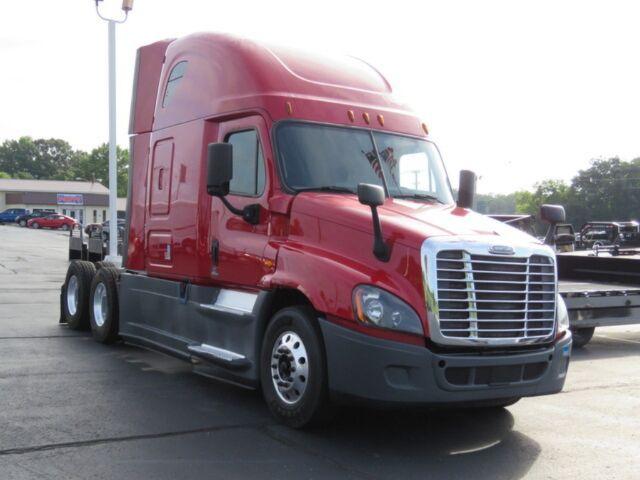
Have freightliner conventional sleeper truck to sell? List it here to reach thousands of buyers.
Freightliner Conventional Sleeper Trucks in Tennessee
The first decision is usually powertrain and sleeper size. Many Freightliner sleepers are spec'd with Detroit DD13 or DD15 engines, paired with DT12 automated transmissions, though manual transmissions and other engine options can appear in older units. Common sleeper configurations include mid-roof and raised-roof cabs, with bunks sized for solo drivers or teams depending on the wheelbase and intended use. Buyers should pay close attention to rear axle ratio, horsepower and torque ratings, fuel tank capacity, and whether the truck was built for van, reefer, flatbed, or bulk hauling. A highway tractor set up for fuel economy can be very different from one spec'd for heavier freight and mountain grades.
Cab condition and emissions history matter just as much as the headline specs. On used Freightliner conventional sleepers, smart buyers look at idle hours, aftertreatment service records, DEF system performance, and any history involving the DPF, SCR, turbo, or one-box. Interior wear can tell you a lot about how the truck was operated, especially in the seats, bunk, cabinets, dash switches, and climate controls. Suspension type, wheelbase, fifth wheel setup, and fairing condition also affect how well the truck matches your trailers and lanes. If the truck will stay in Tennessee and neighboring states, consider how often it will see steep grades, urban traffic, and overnight idle time when comparing spec choices.
Freightliner remains popular because these trucks are straightforward to source parts for, familiar to most technicians, and available in a wide range of fleet and owner-operator specifications. A well-matched conventional sleeper should give you enough bunk space for the job, the right drivetrain for your gross combination weight, and a cab layout that supports long days without adding unnecessary operating cost. When comparing listings, focus on maintenance history, engine and transmission pairing, sleeper configuration, and axle specs before cosmetic details. Those factors usually determine long-term value more than paint, trim, or trim-level extras.
Frequently Asked Questions about Freightliner Conventional Sleeper Trucks in Tennessee
What is the most common Freightliner conventional sleeper truck?
The Freightliner Cascadia is the most common conventional sleeper in this category. It is widely used in over-the-road and regional hauling because it combines aerodynamic efficiency, broad dealer support, and a large range of sleeper, engine, and drivetrain configurations. Buyers often find Cascadia sleepers spec'd for dry van and reefer work, but they are also common in dedicated fleet and general freight applications.
Which engine and transmission combinations are common in Freightliner sleeper trucks?
Many Freightliner conventional sleepers are equipped with Detroit DD13 or DD15 diesel engines and a DT12 automated manual transmission. Older trucks may have manual gearboxes or different horsepower ratings depending on the application. The right combination depends on route profile, average gross weight, cruise speed, and how much emphasis you place on fuel economy versus pulling power.
What sleeper size should I look for in a Freightliner conventional truck?
Sleeper size should match the length of haul and driver setup. A smaller mid-roof sleeper can work well for shorter regional runs or operations with limited overnight use, while a raised-roof sleeper offers more headroom, storage, and comfort for long-haul service. Team operations and extended trips usually benefit from the larger bunk and cabinet space found in taller sleeper configurations.
What should I inspect on a used Freightliner conventional sleeper?
Focus on emissions system history, engine hours, maintenance records, and drivetrain specs before cosmetic items. Check for repairs involving the DPF, SCR, DEF components, turbocharger, and transmission, and review tire wear, suspension condition, and fifth wheel setup. Interior wear, fairing damage, and fault code history can also reveal how the truck was used and maintained.
Are Freightliner sleeper trucks a good fit for Tennessee freight operations?
Freightliner sleeper trucks are a strong fit for Tennessee because they are commonly spec'd for interstate freight, regional distribution, and long-haul lanes that run through the Southeast and Midwest. Their widespread parts availability and service network are useful for trucks running heavily traveled corridors and mixed terrain. The best fit comes down to choosing the right axle ratio, engine rating, and sleeper configuration for your freight and route demands.