
Conventional Daycab Trucks For Sale Near Wichita, Kansas
Shop conventional daycab trucks built for regional haul, local delivery, port work, and vocational service with fuel-efficient and heavy-spec options.
Learn more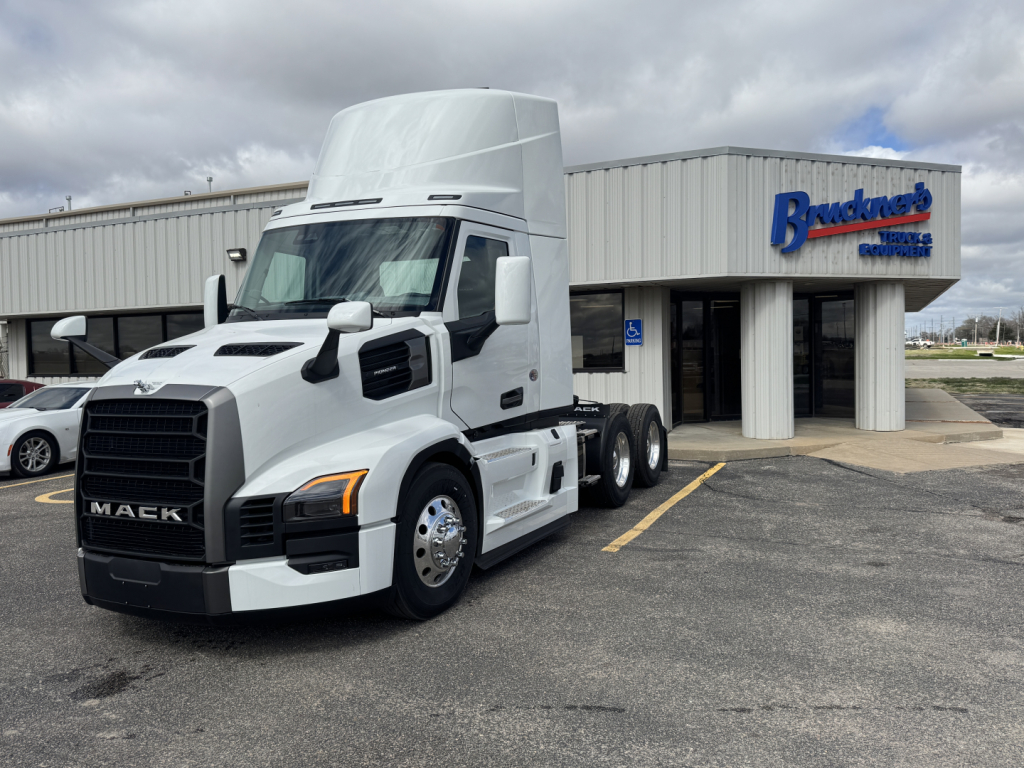
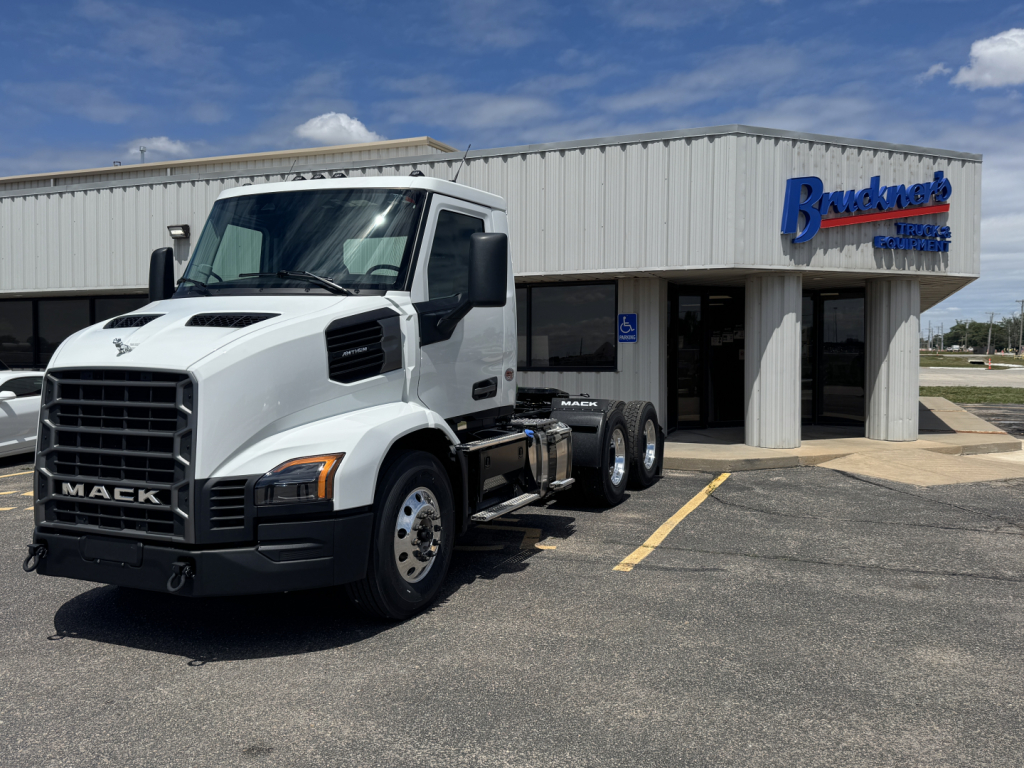
Have conventional daycab truck to sell? List it here to reach thousands of buyers.
About Conventional Daycab Trucks Near Wichita, Kansas
The main buying decision is spec matching. A lighter regional spec may use a 12.5K front axle, 40K rears, air ride suspension, and a fuel-focused rear ratio in the 2.26 to 2.47 range. That kind of setup fits van, reefer, and general freight lanes where cruise RPM and fuel economy matter. A heavier conventional daycab can step up to 14.6K fronts, 46K rears, locking differentials, stronger suspensions, and a deeper rear ratio like 3.55 or 3.73 for starting power and gradeability. Wheelbase matters too. A 173 to 181 inch wheelbase is common for tighter turning and better city maneuvering, while longer wheelbases can improve frame space, ride quality, and trailer clearance depending on fifth wheel location and application.
Powertrain choices usually center on 11 to 13 liter diesel engines in the 400 to 505 horsepower range, paired with automated manual transmissions such as a 12-speed I-Shift or mDRIVE. For regional freight, direct-drive and downsped overdrive combinations are popular because they cut engine speed at highway cruise when matched with the right rear ratio and tire size. Buyers should pay close attention to torque rating, transmission programming, PTO needs, and fifth wheel setup, especially if the truck will handle mixed trailer types or vocational work. Front axle rating, rear suspension capacity, and GCWR tell you more about real-world suitability than horsepower alone.
Used and new conventional daycab trucks can vary widely in driver environment and operating cost. Look at cab ergonomics, visibility, bumper-to-back-of-cab dimension, ADAS availability, service access, and emissions warranty coverage. On used units, review idle hours, maintenance history, aftertreatment repairs, clutch and transmission calibration history, and signs of frame or suspension fatigue. The right daycab should match the lane, trailer, payload, and terrain first. A fuel-economy spec for steady Midwest highway runs is very different from a heavy-spec tandem axle tractor built for dense urban stops, short transfers, or severe-duty pulling.
Frequently Asked Questions
What is a conventional daycab truck used for?
A conventional daycab truck is a highway-style tractor without a sleeper compartment, designed for local and regional hauling where the driver returns the same day. Common applications include dry van, reefer, flatbed, tanker, drayage, dedicated route work, and some vocational trailer operations. Its main advantages are lower weight, shorter overall length, easier maneuverability, and reduced purchase and maintenance cost compared with a sleeper tractor.
What axle and suspension specs are common on a daycab tractor?
Many regional daycab tractors are spec'd with a 12,000 to 12,500 pound front axle and 40,000 pound tandem rears on air ride suspension. Heavy-spec models can move into 14,600 pound fronts, 46,000 pound rears, locking differentials, and more robust suspension packages for severe service or heavier loads. The right axle and suspension ratings depend on payload, trailer type, bridge law considerations, and the amount of off-pavement or stop-and-go work the truck will see.
What rear ratio is best for a conventional daycab?
The best rear ratio depends on speed, terrain, engine torque, transmission gearing, and total combined weight. Ratios like 2.26 to 2.47 are commonly used for fuel-efficient regional and highway service when paired with automated manual transmissions and downsped engines. Ratios such as 3.08, 3.55, or 3.73 are better suited for heavier loads, more frequent starts, steeper grades, or vocational applications where launch performance matters more than low cruise RPM.
Are automated manual transmissions a good fit for daycab trucks?
Yes. Automated manual transmissions are now standard in many conventional daycab applications because they improve shift consistency, reduce driver fatigue, and can help fuel economy when properly spec'd. Systems like Volvo I-Shift and Mack mDRIVE are common in regional and heavy-haul daycab configurations. Buyers should still verify the transmission's torque capacity, shift logic, creep mode behavior, PTO compatibility, and calibration for the intended load and route profile.
What should I inspect on a used conventional daycab truck?
On a used daycab, focus on engine hours versus miles, emissions system history, transmission performance, suspension wear, and frame condition around crossmembers and fifth wheel mounting points. Check for uneven tire wear, driveline vibration, air system leaks, and signs of hard vocational use if the truck has heavier axle ratings. Maintenance records, software update history, and any prior aftertreatment or injector work can tell you a lot about operating cost risk.