
Volvo Conventional Daycab Trucks For Sale in Louisiana
Shop Volvo conventional daycab trucks in Louisiana. Compare VNL and VHD specs, horsepower, axle ratings, wheelbases, and vocational setups.
Learn more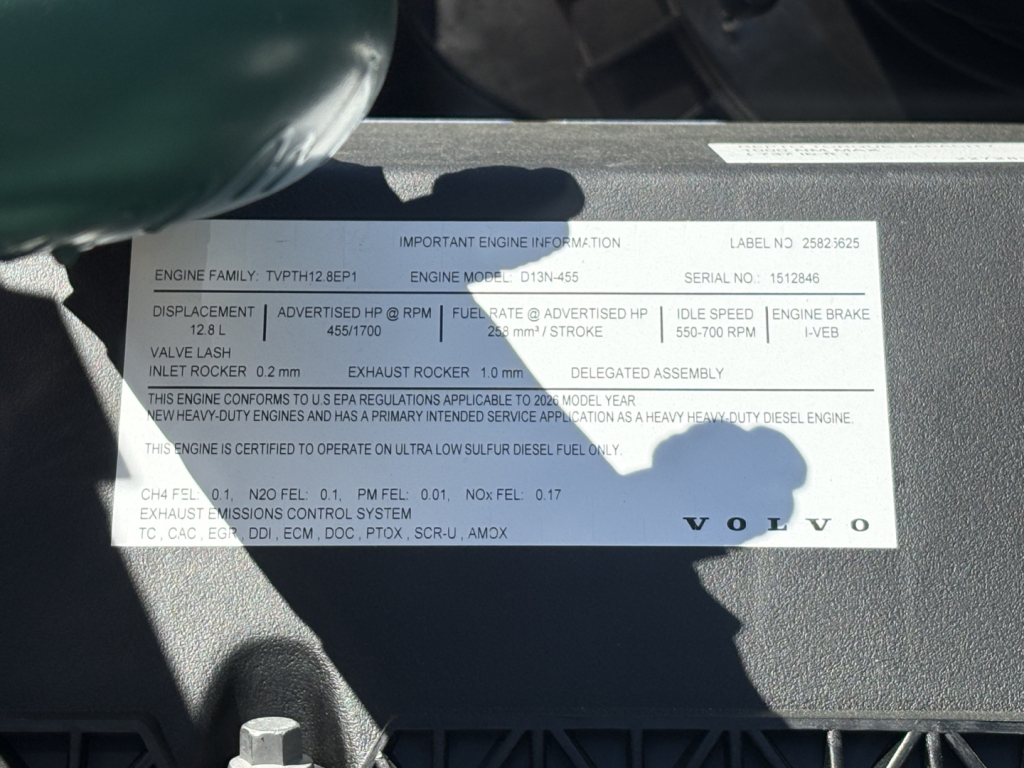
Have volvo conventional daycab truck to sell? List it here to reach thousands of buyers.
About Volvo Conventional Daycab Trucks in Louisiana
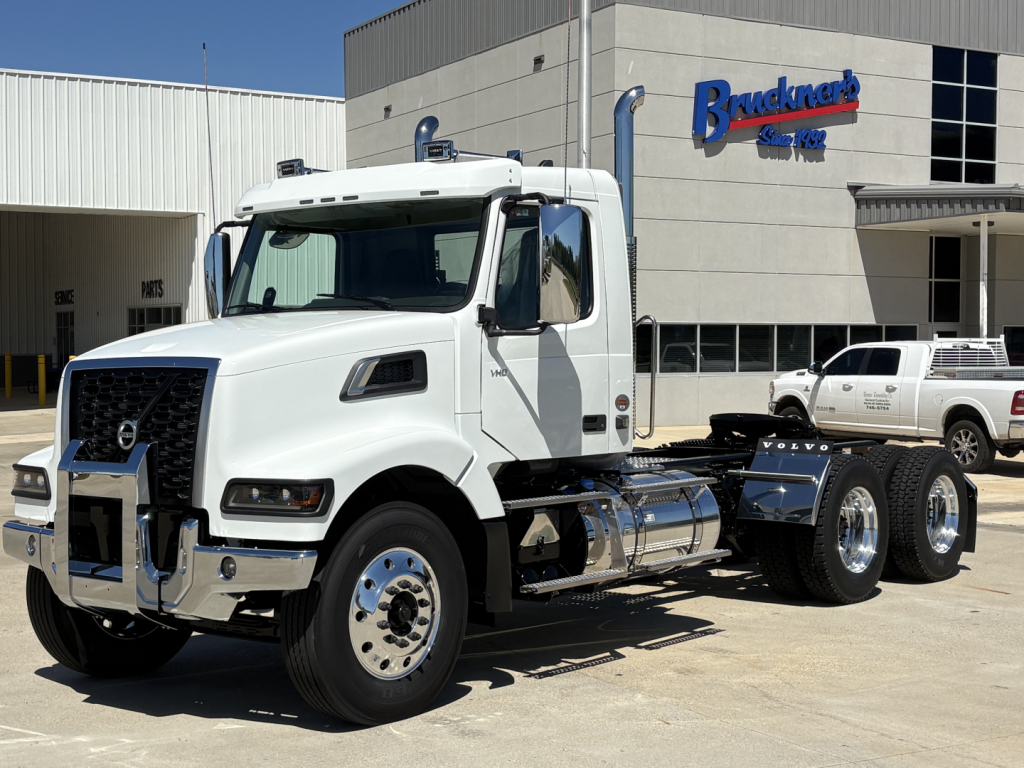
The first decision is usually application. A Volvo VNL daycab is commonly spec’d for regional van, reefer, tank, and general freight work, often with a lighter tandem axle setup, more aggressive fuel economy gearing, and shorter wheelbases for maneuverability. A Volvo VHD daycab is built for tougher assignments such as dump, lowboy, equipment hauling, and severe service tractor use. Buyers should look closely at horsepower, torque, rear axle rating, suspension, and ratio. Common Volvo daycab specs include D13 engines in the 425 to 455 horsepower range, Volvo I-Shift or I-Shift HD automated transmissions, tandem axles, and air ride suspensions. A highway-oriented VNL may carry a 12,500-pound front axle, 40,000-pound rears, and a tall rear ratio like 2.64, while a heavier VHD may step up to a 14,600-pound steer axle, 46,000-pound rears, full lockers, and a deeper ratio such as 3.58.
Cab and chassis details matter as much as the powertrain. Wheelbase affects trailer swing, bridge law flexibility, body upfit room, and turning radius. Buyers running tight yards or urban routes often prefer a shorter wheelbase daycab, while heavier tractors pulling specialized trailers may need more frame length and component spacing. Suspension type, all-wheel disc brakes, dual fuel tanks, and axle configuration should be matched to route profile and payload. On Volvo daycabs, the cab itself is a selling point. The layout is typically driver-friendly, quiet, and easy to work out of over a long shift, with good visibility and practical controls. That makes a difference in fleet environments where productivity, driver retention, and reduced fatigue matter.
For Louisiana operations, corrosion exposure, humidity, and mixed-road conditions make spec discipline important. Check for the right cooling package, axle ratings, locking differentials if traction is a concern, and a drivetrain built for the exact trailer and load type. A buyer comparing Volvo conventional daycab trucks should focus less on badge alone and more on whether the truck is configured as an aero regional tractor or a heavy vocational unit. The best value in this category comes from matching wheelbase, gearing, suspension, and axle capacity to the work, because a well-spec’d Volvo daycab can be efficient on pavement, capable under load, and easier to keep productive across a demanding local or regional duty cycle.
Frequently Asked Questions
What is the difference between a Volvo VNL daycab and a Volvo VHD daycab?
A Volvo VNL daycab is generally designed for on-highway regional and local freight, with an aerodynamic hood, fuel economy-focused gearing, and specs suited for van, reefer, and general tractor service. A Volvo VHD daycab is a heavier vocational platform built for more demanding applications such as construction, equipment hauling, dump, and severe service tractor work. The VHD commonly carries higher front and rear axle ratings, heavier suspension components, deeper rear ratios, and transmission options like the I-Shift HD.
What horsepower range is common in Volvo conventional daycab trucks?
Many Volvo daycab tractors are equipped with the Volvo D13 engine, commonly rated around 425 to 455 horsepower in this class. The right rating depends on gross combination weight, terrain, trailer type, and how often the truck starts under load. Lighter regional freight may perform well with a lower horsepower, fuel-efficient spec, while heavy haul or vocational applications usually benefit from more horsepower, higher torque, and drivetrain components matched to severe duty.
Is the Volvo I-Shift a good transmission for a daycab tractor?
The Volvo I-Shift is widely used in daycab applications because it delivers consistent shifting, reduces driver fatigue, and can improve fuel economy when properly spec’d. For heavier vocational service, the I-Shift HD version is often preferred because it is designed for more demanding load conditions and jobsite use. Buyers should still confirm that the transmission programming, axle ratio, and engine rating are matched to the truck’s real operating profile.
What axle ratings should I look for in a Volvo daycab?
Axle ratings should be chosen based on payload, trailer type, and the roads the truck will run. A regional highway daycab may use a 12,500-pound steer axle and 40,000-pound tandems, which is common for general freight. A heavy spec or vocational daycab may move up to a 14,600-pound steer axle and 46,000-pound rears, often with lockers and a heavier suspension. The key is making sure the axle package supports legal weight requirements and provides enough durability for the application.
Why does wheelbase matter on a conventional daycab truck?
Wheelbase directly affects maneuverability, bridge compliance, trailer clearance, ride quality, and available frame space for tanks or equipment. A shorter wheelbase is usually better for tight yards, city delivery, and terminal work because it turns easier. A longer wheelbase may be needed for heavier tractors, specialized trailers, or certain body and component layouts. On a Volvo daycab, wheelbase should be selected based on the trailer geometry and the kind of loads the truck will pull every day.