
International Conventional Daycab Trucks For Sale in Iowa
Shop International conventional daycab trucks for regional hauling, local delivery, vocational work, and terminal operations in Iowa.
Learn more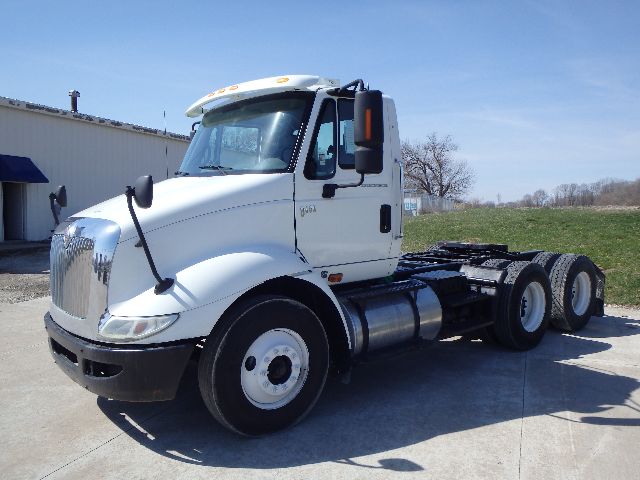
Have international conventional daycab truck to sell? List it here to reach thousands of buyers.
About International Conventional Daycab Trucks in Iowa
On International daycab models, buyers typically compare wheelbase, axle configuration, engine rating, transmission type, rear axle ratio, and suspension before anything else. Common setups include tandem axle 6x4 tractors with air ride suspension, 22.5-inch rubber, and fifth wheel heights suited for standard van, reefer, flatbed, or tanker service. Depending on the model year and spec, you may see International power paired with Eaton-Fuller manuals or automated transmissions, along with Cummins engines in certain vocational or regional applications. Horsepower in this class often lands in the mid-300s to low-400s, which is enough for general freight while still keeping fuel burn and maintenance reasonable for stop-and-go duty.
A buyer should pay close attention to how the truck was spec'd for its previous job. A shorter wheelbase is easier in city and plant traffic, while a longer wheelbase can ride better and balance weight more effectively with certain trailers. Rear axle ratios affect launch, cruise rpm, and fuel economy, so they should match the trailer weight and average road speed. Check front and rear axle ratings, frame configuration, brake type, fifth wheel style, and suspension condition if the truck will see heavier loads or rougher job sites. On used International daycabs, it also makes sense to review miles, idle time if available, clutch or transmission history, tire and brake percentages, and signs of wear around the cab mounts, steering components, and air system.
International daycab tractors are a strong fit when the priority is uptime, serviceability, and a familiar conventional cab layout. Parts support, straightforward chassis design, and broad application range make this category popular across private fleets, ag operations, and regional carriers. The best choice comes down to matching the spec to the route: local P&D work benefits from nimble dimensions and durable interior trim, while heavier regional hauling calls for the right torque, gearing, suspension, and axle ratings. Buyers who focus on real operating needs instead of just horsepower usually end up with a daycab that costs less to run and fits the work better over the long term.
Frequently Asked Questions
What is an International conventional daycab truck best used for?
An International conventional daycab truck is best suited for local and regional hauling where the driver returns home daily and does not need a sleeper. Common uses include dry van, reefer, tanker, flatbed, grain, feed, and shuttle operations. The conventional hood design offers straightforward engine access for service, and the daycab layout reduces overall length and empty weight compared with a sleeper tractor.
What specs matter most when buying a used International daycab?
The most important specs are wheelbase, axle configuration, horsepower and torque, transmission type, rear axle ratio, suspension, axle ratings, and fifth wheel setup. These determine how the truck will perform with your trailer type, route profile, and average payload. Buyers should also evaluate mileage, maintenance records, tire and brake condition, and any signs of chassis, steering, or air system wear because those items directly affect operating cost after purchase.
Are International daycab trucks good for regional freight in Iowa?
Yes. International daycab trucks are a practical choice for Iowa regional freight because they fit the mix of short-haul highway miles, ag-related hauling, terminal shuttles, and plant-to-plant moves common in the state. A properly spec'd tandem axle daycab with the right gearing and suspension can handle repeated daily runs efficiently while remaining easier to maneuver in tight elevators, yards, and local delivery points than a longer sleeper tractor.
How do wheelbase and rear axle ratio affect an International daycab?
Wheelbase affects turning radius, ride quality, and weight distribution. A shorter wheelbase generally improves maneuverability, which is useful in urban or industrial settings, while a longer wheelbase can improve stability and ride on highway runs. Rear axle ratio changes how the truck balances pulling power and cruise efficiency. A lower, numerically higher ratio helps with heavier starts and slower work, while a taller ratio can reduce engine rpm and improve fuel economy on faster regional routes.