
Trucks For Sale Near Centerville, New York
Browse trucks for sale in Centerville, New York, including dump trucks, pickups, and vocational work trucks for municipal, farm, and fleet use.
Learn more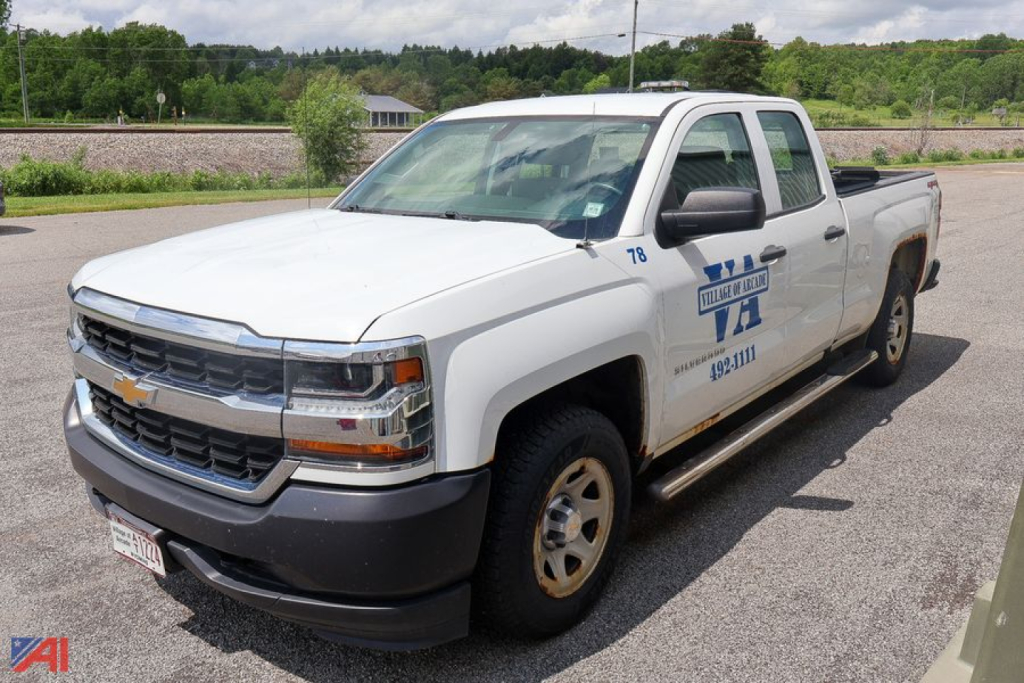
Have truck to sell? List it here to reach thousands of buyers.
About Trucks Near Centerville, New York
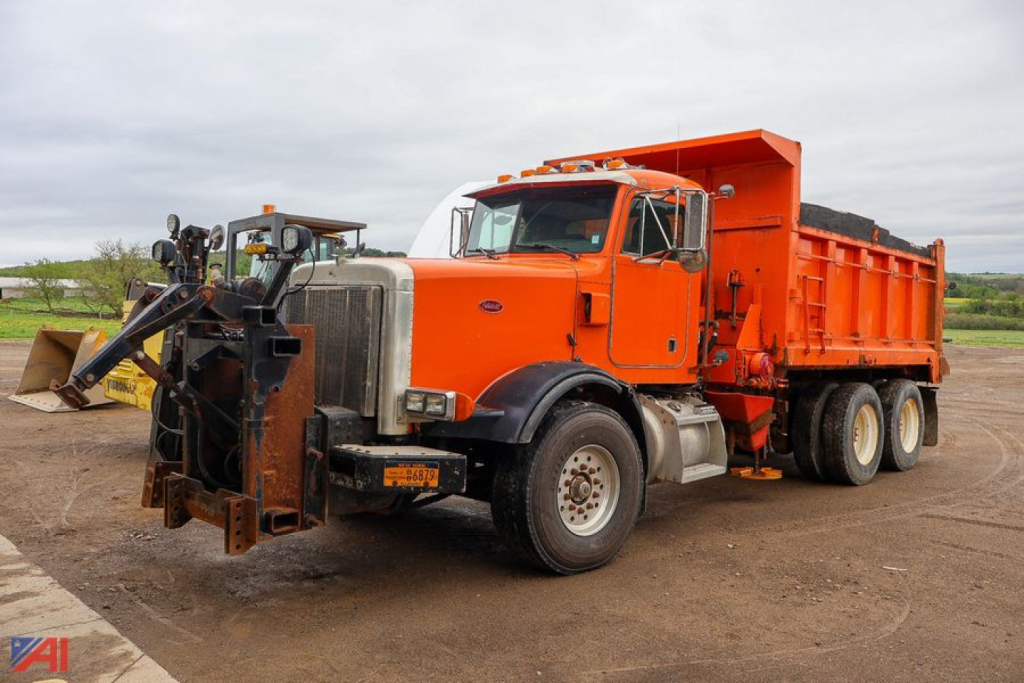
For heavier trucks, buyers should focus on axle ratings, suspension type, transmission, wheelbase, and frame configuration before brand preference. A dump truck, plow truck, or truck set up for trailer work may carry a diesel engine in the 300 to 500 horsepower range, paired with an Allison automatic or a manual transmission depending on duty cycle. Common details that matter in real operation include locking rears, wetline or PTO setup, walking beam or air suspension, pintle hitch capacity, fifth wheel rating, and tire size. In snow-country markets like western and upstate New York, front plow mounts, hydraulic systems, spreader controls, corrosion around the body and frame, and overall underbody condition deserve close inspection.
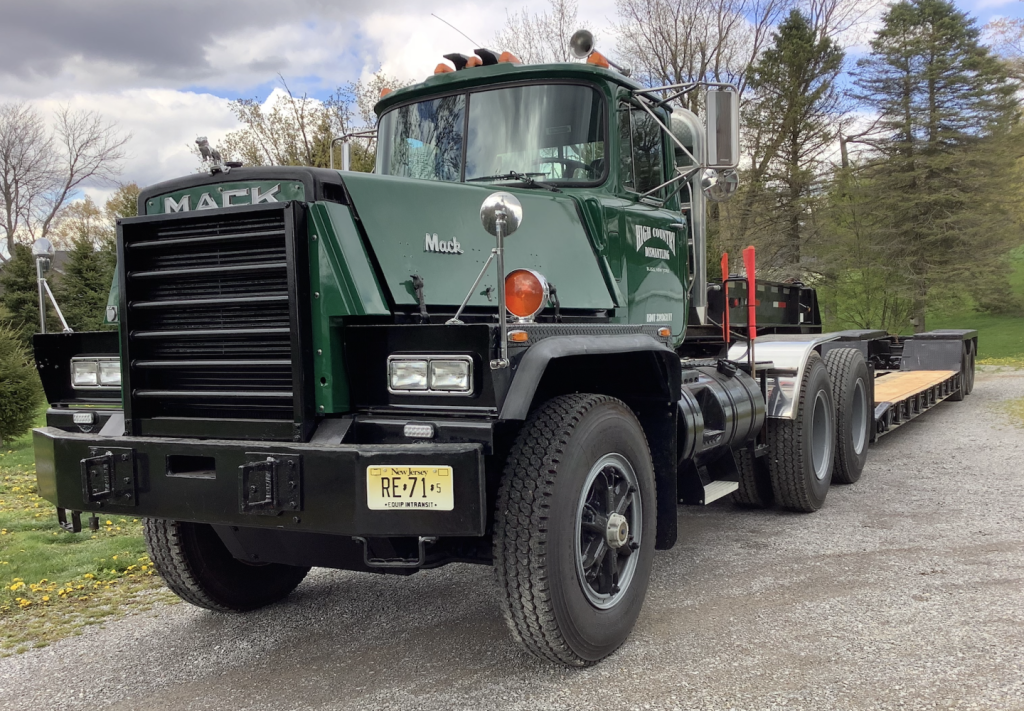
Used truck shoppers should also separate highway miles from true vocational wear. A municipal plow truck or sanitation-spec unit may show low miles but high idle hours, frequent cold starts, and heavy hydraulic use. A pickup may look clean but still need scrutiny on cab corners, rocker panels, brake lines, transfer case operation, and service history. On larger trucks, check steer axle capacity, rear ratio, brake type, driveline condition, and whether the chassis was originally ordered for severe service. If the truck is intended to pull a lowboy, tag trailer, or equipment trailer, verify GCWR, hitch setup, electrical and air connections, and the legal compatibility of the truck and trailer combination.
The best truck choice comes down to application, operating environment, and how much upfit value is already on the chassis. A ready-to-work truck with a dump body, plow gear, wet kit, headache rack, or pintle package can save significant setup time, but only if the components match your operation and local road conditions. Buyers comparing trucks for sale in Centerville should weigh rust exposure, parts support, emissions complexity, and ease of maintenance along with price. A correctly spec'd truck will usually outperform a newer but poorly matched one, especially in seasonal work, municipal duty, construction support, and short-haul fleet service.
Frequently Asked Questions
What types of trucks are commonly found in this category?
The truck category can include light-duty pickup trucks, medium-duty work trucks, heavy-duty vocational trucks, dump trucks, plow trucks, and tandem or tri-axle chassis set up for towing or hauling. Some are built for general transportation, while others are configured for specialized work with PTO systems, dump bodies, fifth wheels, pintle hitches, or snow and ice equipment. The key is to match the truck class, axle rating, and equipment package to the actual job.
What should I check first when buying a used vocational truck?
Start with the truck's intended application and confirm that the chassis was spec'd for that duty. Then inspect axle ratings, frame condition, suspension, transmission, PTO or hydraulic equipment, brake system, tire condition, and overall rust exposure. On trucks used for plowing, dumping, or municipal work, engine hours and hydraulic wear can matter as much as mileage. Service records, underbody condition, and evidence of frame or body repairs are especially important.
Are low-mile trucks always the best value?
Not necessarily. Low mileage can be attractive, but vocational trucks often accumulate wear through idle hours, PTO use, repeated loading cycles, and severe weather operation. A municipal truck with low miles may still have significant corrosion, hydraulic wear, or driveline stress from stop-and-go service. A higher-mile truck with documented maintenance and a cleaner chassis can be the better long-term buy.
How do I choose between a pickup truck and a heavier work truck?
The choice depends on payload, towing demand, terrain, and how the truck will be used every day. A pickup is usually the right fit for lighter hauling, crew transport, local support work, and occasional towing. A heavier truck is better suited for regular trailer pulling, dump applications, snow removal, equipment transport, and jobs that require higher GVWR, stronger frames, and PTO-driven accessories. Buying too light usually creates maintenance and productivity problems faster than buying slightly heavier than needed.
What matters most for truck buyers in New York?
In New York, rust and corrosion are major concerns because of road salt, snow operations, and freeze-thaw conditions. Buyers should inspect cab mounts, brake lines, frame rails, spring hangers, crossmembers, body supports, plow mounts, and electrical connections carefully. It also helps to verify emissions equipment condition, local registration requirements, and the availability of parts and service support for the make and engine platform.