
Bucket Trucks For Sale in Massachusetts
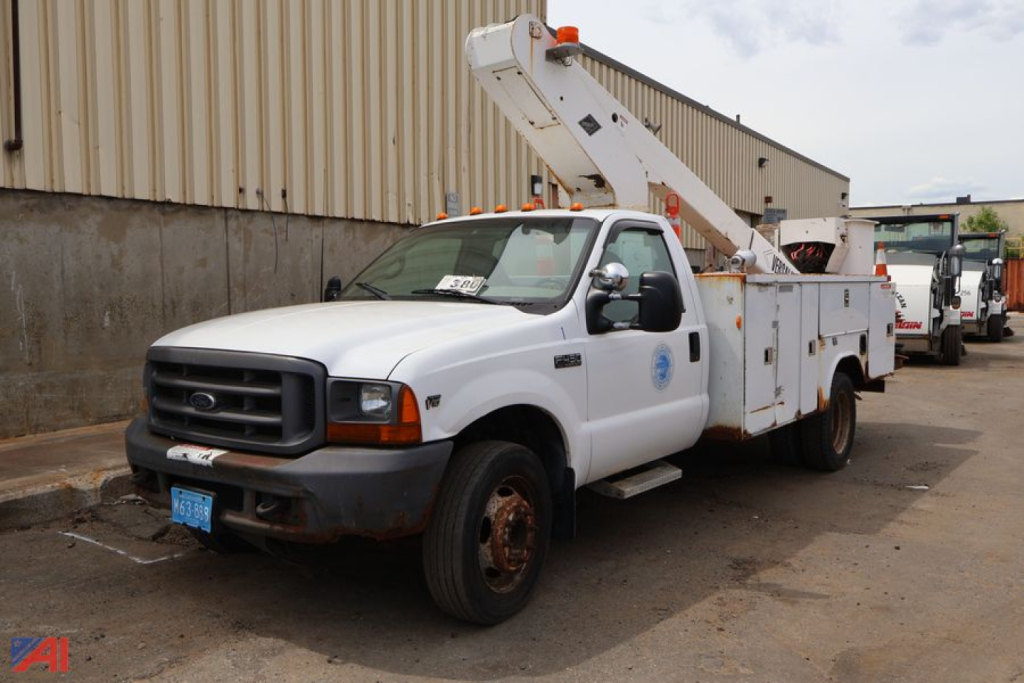
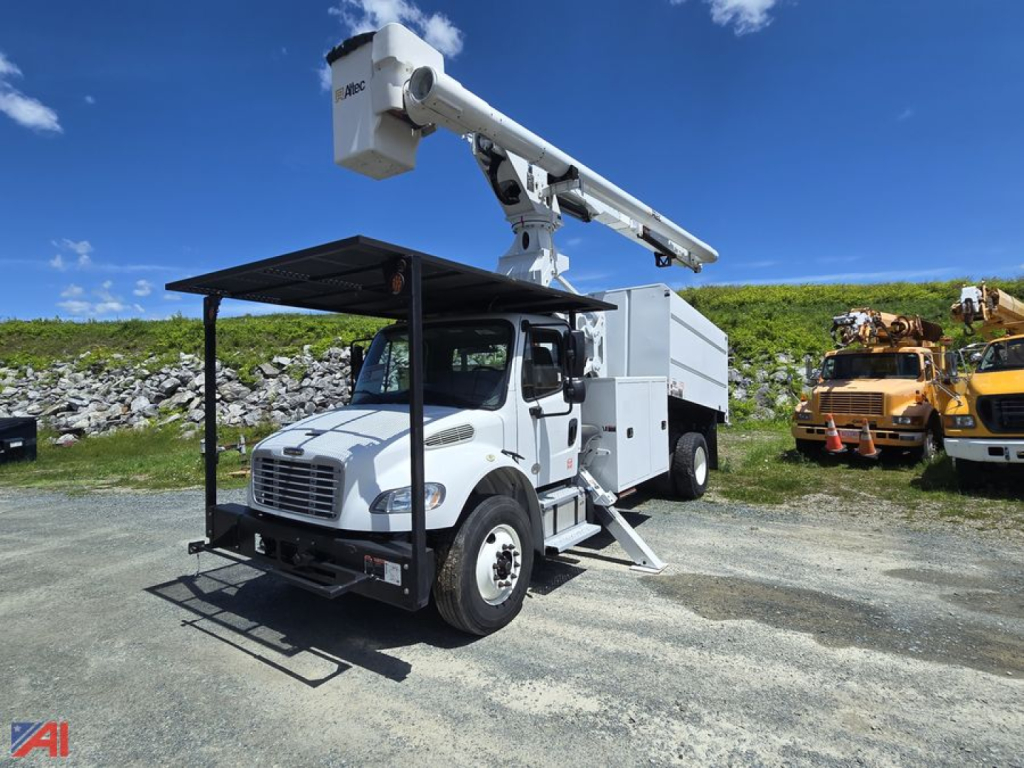
Shop bucket trucks for sale in Massachusetts. Compare working height, boom type, chassis class, PTO hydraulics, and utility body setups.
Learn more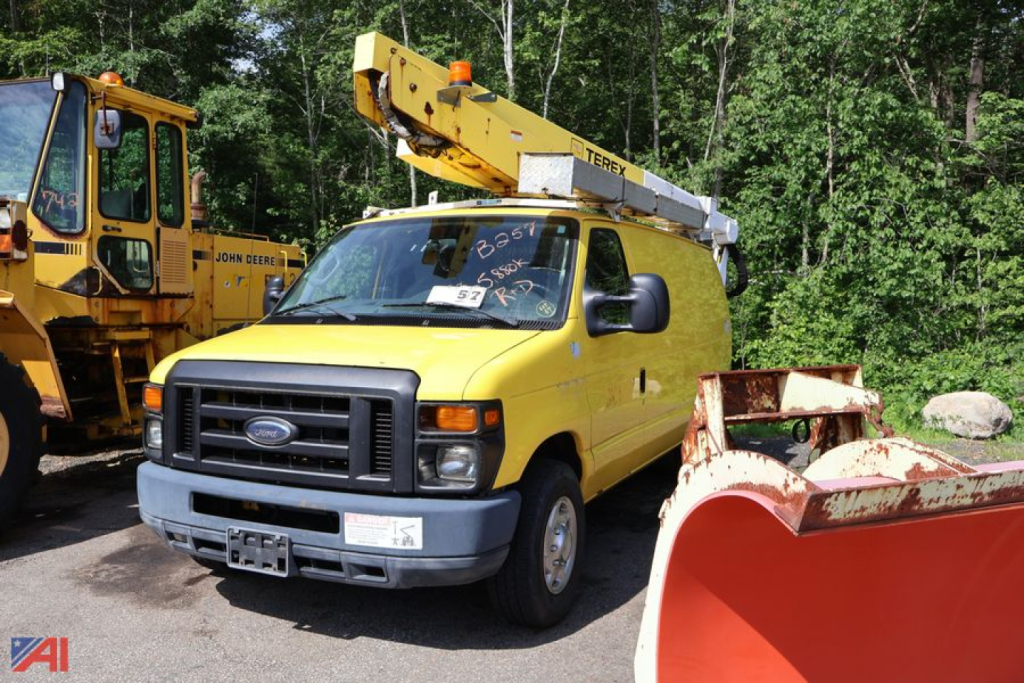
Have bucket truck to sell? List it here to reach thousands of buyers.
About Bucket Trucks in Massachusetts
Frequently Asked Questions
What working height should I look for in a bucket truck?
The right working height depends on the task, not just the highest number on the spec sheet. Telecom and light sign work often fit well in the 29 to 40 foot platform height range, while electric utility and tree work may require 45 to 60 feet or more. Buyers should compare platform height, working height, horizontal reach, and stowed travel height together because a taller boom is not always the most productive choice on tight Massachusetts streets with low branches and parking restrictions.
What is the difference between an articulated and telescopic bucket truck boom?
An articulated boom uses multiple hinged sections, which helps the operator work up and over obstacles such as wires, limbs, roofs, and setbacks. A telescopic boom extends in a straighter line and is often preferred when direct reach and simpler boom geometry matter most. Some trucks combine both functions in an articulating-telescopic design. The best choice depends on the job mix, expected side reach, and how often the truck will need to position the bucket in confined urban or residential work zones.
What should I inspect on a used bucket truck before buying?
Pay close attention to boom and hydraulic condition, structural integrity, and maintenance history. Buyers should inspect hoses, cylinders, turntable operation, outriggers, basket controls, PTO engagement, and any signs of leaks or weld repairs. Dielectric certification, annual aerial inspection records, and body corrosion are important, especially in Massachusetts where road salt can accelerate rust on frames, outriggers, compartments, and subframes. Chassis items such as brake condition, suspension wear, engine hours, and transmission operation matter just as much as the aerial device itself.
Are material handling bucket trucks different from standard bucket trucks?
Yes. A material handling bucket truck typically includes a jib and winch system that allows the crew to lift components such as transformers, reels, or hardware in addition to raising personnel. That added capability can improve productivity for utility and contractor fleets, but it also changes weight, load charts, and maintenance needs. Buyers should verify jib capacity, boom rating, basket configuration, and whether the truck's body and axle ratings support the intended payload and tool storage requirements.
Do bucket trucks need special compliance or testing records?
Yes. Buyers should confirm that the aerial device has current inspection documentation and that it meets applicable ANSI requirements for the equipment type and service history. If the truck will be used around energized lines, dielectric testing and insulated boom condition are critical. Fleet buyers also typically review PTO and hydraulic service records, chassis DOT compliance items, and any municipal or utility fleet maintenance logs because documented upkeep can be more valuable than cosmetic condition alone.