
Chevrolet Bucket Trucks For Sale
Shop Chevrolet bucket trucks with aerial lifts for utility, telecom, signage, and tree work. Compare GVWR, lift height, reach, and PTO setup.
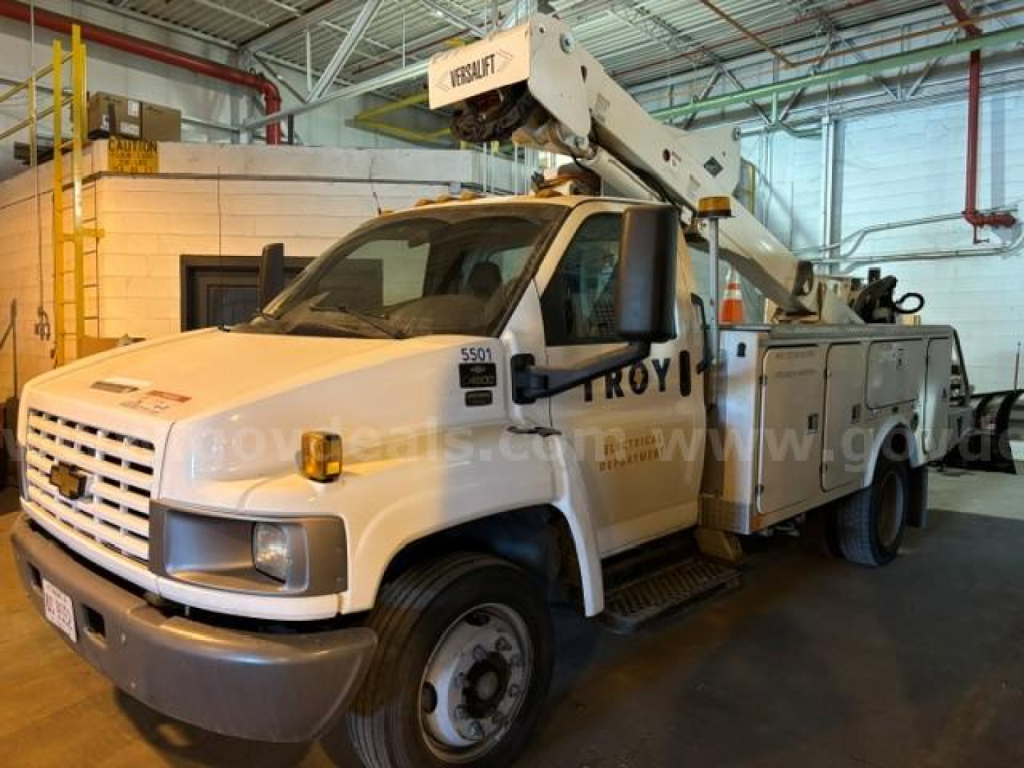
Have chevrolet bucket truck to sell? List it here to reach thousands of buyers.
Chevrolet Bucket Trucks
Powertrain choice matters because bucket trucks spend a lot of time idling, running PTO-driven hydraulic systems, and carrying concentrated weight high on the frame. Chevrolet medium-duty bucket trucks are frequently equipped with the 6.6L Duramax diesel and an Allison automatic transmission, a combination many fleets favor for parts availability, service familiarity, and predictable drivability. Pay attention to GVWR, front axle capacity, rear axle ratio, and wheelbase, since the body and aerial package can significantly change handling and payload margin. Outrigger design is another major buying point. Full hydraulic outriggers with interlocks improve stability and operator confidence, especially when the truck is working on shoulders, alleys, or uneven urban pavement.
A serious buyer should also evaluate the body layout, not just the boom. Compartmented service bodies, ladder racks, pipe trays, backup cameras, inverter setups, and jobsite lighting can make a major difference in day-to-day productivity. For electrical and utility work, insulation rating and current dielectric test status are critical. For sign and lighting contractors, compact overall length and tighter turning radius may matter more than maximum platform height. If the truck will operate in residential areas, check stowed travel height, outrigger spread, and curbside access. On used units, inspection should focus on boom wear pads, hydraulic leaks, turret play, PTO engagement, basket controls, lower controls, and maintenance records for both chassis and aerial device.
Chevrolet bucket trucks appeal to buyers who want a familiar cab layout and a work-truck chassis that is straightforward to service. The best unit is usually the one whose lift specification, axle capacity, and body configuration are aligned with the actual work mix, not simply the tallest boom on the page. Comparing lift geometry, insulation, storage, and stability systems will tell you more than model year alone. For fleet buyers, it also makes sense to standardize around the same engine, transmission, and control layout to simplify technician training and reduce downtime.
Frequently Asked Questions about Chevrolet Bucket Trucks
What should I look at first when buying a Chevrolet bucket truck?
Start with the aerial device specifications and the chassis rating together. Working height, side reach, platform capacity, insulation class, and outrigger configuration need to match the work being done. Then confirm the Chevrolet chassis has enough GVWR, axle capacity, and wheelbase for the installed body and boom. A bucket truck that has strong lift specs but is marginal on chassis capacity can create stability, service, and compliance problems.
Are Chevrolet bucket trucks good for utility and telecom work?
They can be a strong fit for utility, telecom, streetlight, and sign service applications, especially on Silverado 4500HD through 6500HD chassis. Many fleets like Chevrolet medium-duty platforms because the cab is familiar, the Duramax-Allison combination is widely recognized, and service support is generally accessible. The real suitability depends on the boom manufacturer, insulation rating, storage layout, and whether the truck's reach and platform rating fit the intended work.
What is the difference between insulated and non-insulated bucket trucks?
An insulated bucket truck is designed for work near energized lines and uses components intended to provide dielectric protection when properly maintained and tested. A non-insulated unit is typically used for lighting, signage, communications, and general elevated access where electrical insulation is not required. Buyers should verify the insulation category, test records, and any applicable certification status, because insulation value depends on condition and documented testing, not just the original build type.
Why are GVWR and axle ratings so important on a bucket truck?
Bucket trucks carry a tall, concentrated load from the service body, boom, turret, outriggers, and tools. That weight affects braking, steering, tire loading, and overall stability. GVWR, front axle rating, and rear axle rating tell you whether the chassis is properly matched to the aerial package. They also affect licensing, registration, and legal operating limits. A truck with the right lift height but inadequate axle margin can become costly to operate and difficult to use safely.
How should I inspect a used Chevrolet bucket truck?
Inspect both the truck and the aerial device as separate systems. On the chassis side, review engine hours, idle hours if available, transmission operation, brake condition, tire wear, frame condition, and service history. On the aerial side, check boom operation through the full range of motion, basket and lower controls, PTO function, outriggers, hydraulic hoses, wear pads, turret movement, and any signs of leaks or structural repair. Maintenance logs, dielectric test records when applicable, and annual inspection documentation are especially valuable on used bucket trucks.