
Box Trucks For Sale in Illinois
Browse box trucks for sale in Illinois. Compare GVWR, body length, liftgate, diesel or gas power, and CDL vs non-CDL specs.
Learn more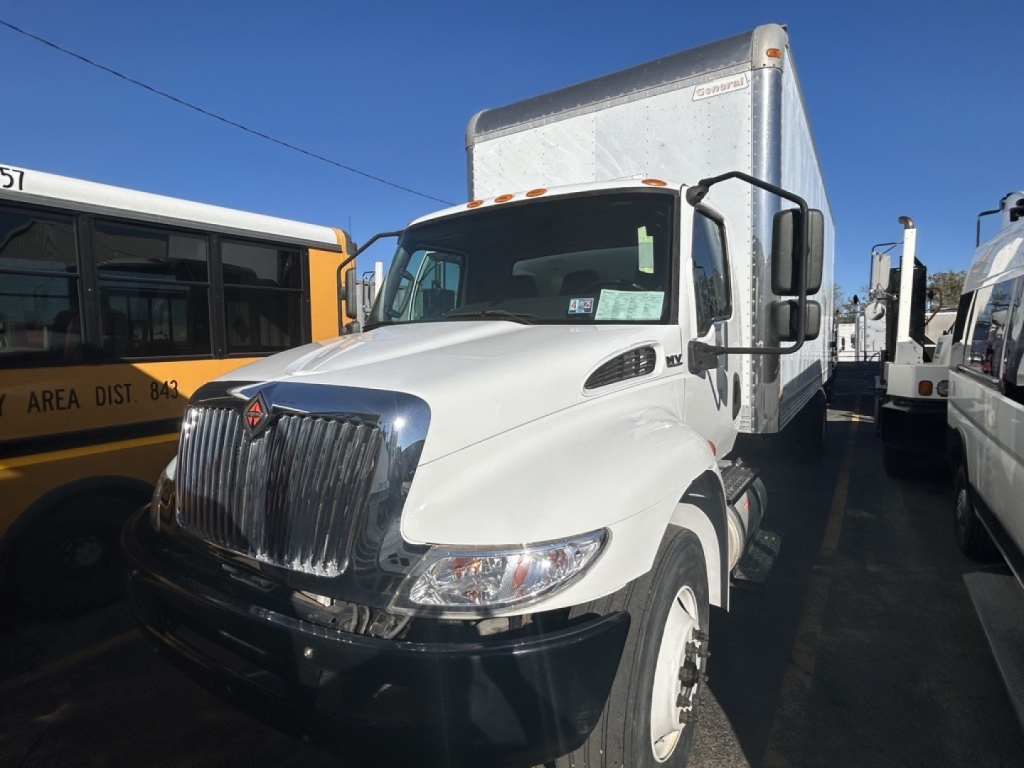
Have box truck to sell? List it here to reach thousands of buyers.
About Box Trucks in Illinois
Body length, door configuration, and floor height matter as much as the chassis. Common box lengths include 16, 20, 24, and 26 feet, with roll-up rear doors being the standard for dock and route work. Some bodies include curbside doors for hand-cart deliveries, translucent roofs for better visibility inside the cargo area, scuff liners to protect the walls, and hardwood or laminated floors rated for pallet traffic. A tuck-under or rail liftgate is a major value point if the truck will handle appliances, beverages, equipment, or any route without consistent dock access. In urban Illinois markets such as Chicago and the collar counties, overall length, turning radius, and cab visibility can be more important than maximum cube.
On the chassis side, buyers usually compare diesel versus gas power, automatic transmissions, suspension type, and brake system. Diesel box trucks remain popular for higher mileage use because of torque, durability, and service life, especially with medium-duty platforms from makers such as International, Freightliner, Hino, Isuzu, and GMC. Allison automatic transmissions are common in this category and are well suited to stop-and-go work. Air brakes and hydraulic brakes are both found on box trucks, and that choice affects driver qualifications, maintenance routines, and inspection items. Air ride suspension can improve ride quality and help protect fragile cargo, while spring suspension is often preferred for simplicity and lower repair cost. Wheelbase, rear axle ratio, and tire size also influence maneuverability, highway rpm, and dock height.
A good box truck listing should be judged by more than miles and price. Buyers should look closely at the body manufacturer, roof and corner condition, signs of water intrusion, floor wear, door seal condition, liftgate cycle history, and whether the truck was used for light parcel work or consistently hauled dense freight near max GVWR. In Illinois, corrosion around the cab, frame, crossmembers, and body mounting points deserves extra attention because winter road treatment can shorten body life before the powertrain is finished. Service records, current inspection status, engine hours if available, and remaining tire and brake life can tell you more about near-term operating cost than odometer reading alone.
Frequently Asked Questions
What GVWR is best for a box truck in Illinois?
The best GVWR depends on payload, body length, and whether you want to stay under CDL thresholds. Many buyers target 19,500 to 26,000 lb GVWR because it supports strong payload capacity for delivery and moving work while remaining in the non-CDL range when spec'd at 26,000 lb GVWR or less. If the truck will carry dense freight, run a large liftgate, or operate with a longer body, a heavier chassis may be the better fit.
What is the difference between a box truck and a straight truck?
In most trucking and fleet conversations, a box truck is a type of straight truck. The cab and cargo body are mounted on a single chassis, unlike a tractor-trailer combination. The term box truck usually refers to an enclosed dry cargo body used for delivery, moving, and service work, while straight truck is the broader equipment class that can also include stake bodies, refrigerated bodies, and other configurations.
Should I buy a diesel or gas box truck?
Diesel is often preferred for medium-duty box trucks that run higher annual miles, carry heavier payloads, or spend time on regional routes because it delivers stronger low-end torque and typically longer service life. Gas engines can make sense for lighter local work, lower annual mileage, and fleets focused on lower initial purchase cost and simpler emissions systems. The right choice comes down to route length, idle time, load factor, and local service support.
Are liftgates worth it on a used box truck?
A liftgate is worth the cost if your freight is loaded outside of dock environments or handled by one driver with pallet jacks, carts, or hand trucks. It is especially useful for final-mile delivery, appliance routes, vending, office equipment, and moving work. Buyers should inspect platform condition, hydraulic operation, corrosion, wiring, and rated capacity because liftgate repairs can be expensive and downtime-sensitive.
What should I inspect on a used box truck body?
Pay close attention to roof seams, front corners, side wall repairs, floor condition, rear frame, and roll-up door operation. Water intrusion, soft floor sections, damaged scuff liners, and corroded crossmembers can point to expensive body work even if the cab and engine present well. Also inspect body mounts, door seals, dock bumper wear, and any evidence that the truck was routinely loaded above its intended payload.