
Ambulance Trucks For Sale in North Carolina
Browse ambulance trucks for sale, including Type II and rescue-style units, with guidance on chassis, module condition, electrical systems, and service use.
Learn more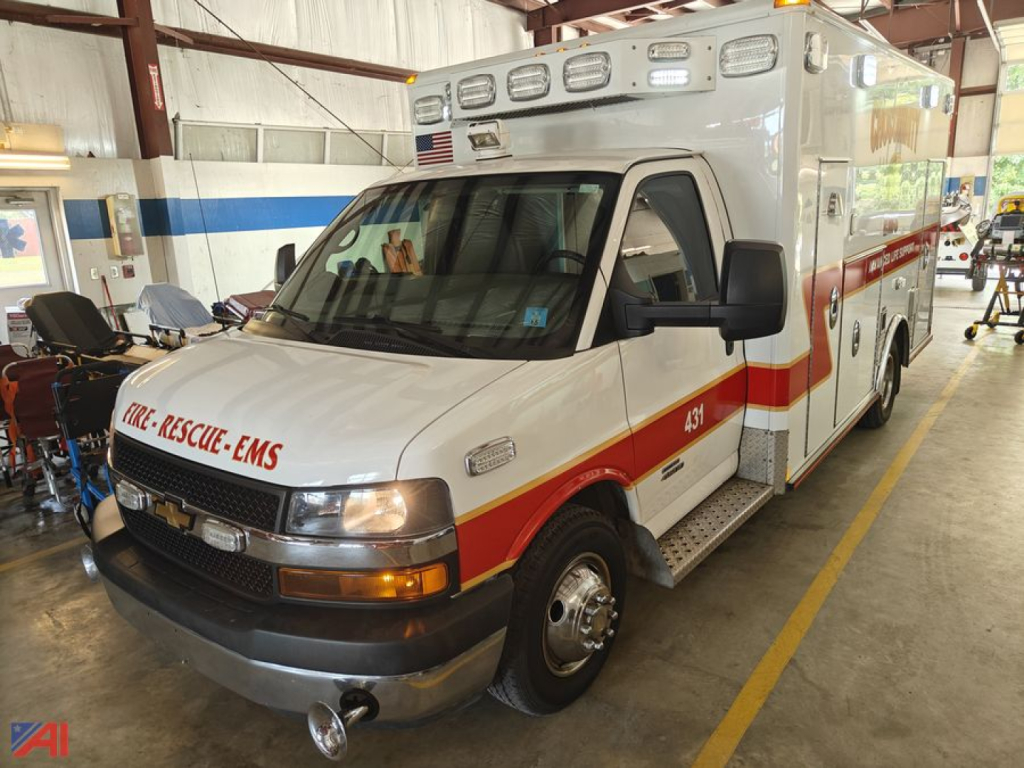
Have ambulance truck to sell? List it here to reach thousands of buyers.
About Ambulance Trucks in North Carolina
The first buying decision is usually chassis and serviceability. Diesel Sprinter ambulances are common in the used market and are valued for maneuverability, standing room, and highway manners, but buyers need to pay close attention to emissions history, idle hours, and diagnostic support in their operating area. On any used ambulance, the condition of the electrical system matters as much as the engine and transmission. Shore power connection, inverter, battery bank, alternator output, warning light controls, HVAC, suction, oxygen cabinet layout, and module wiring should all be checked carefully. A clean cab can hide expensive issues in the patient compartment, especially with aging multiplex systems, corrosion in connectors, and worn interior components from high-cycle service.
Body construction and equipment layout affect long-term cost. Aluminum modular bodies are common for durability and repairability, while van-style bodies trade some compartment flexibility for a narrower footprint. Look closely at door seals, compartment latches, scene lights, cabinet hardware, attendant seat mounts, cot fastener compatibility, and evidence of water intrusion around roof penetrations. Suspension condition is also important because ambulances often spend years carrying concentrated rear axle weight from medical gear, cabinetry, and power systems. Tire wear, brake condition, front-end components, and generator or auxiliary power setup can tell you a lot about how the vehicle was maintained.
Many retired ambulance trucks move into second-service roles such as non-emergency medical transport support, fire and rescue support, event standby, training, mobile medical outreach, or specialty fleet use. Before purchase, confirm title status, remount history, decommissioned emergency equipment compliance, and whether the unit is road-ready, incomplete, or being sold for parts only. A strong ambulance unit is not just about miles. It is about idle time, maintenance records, electrical integrity, body condition, and whether the layout still fits the job you need it to do.
Frequently Asked Questions
What types of ambulance trucks are most common on the used market?
The used market commonly includes Type II ambulances on van chassis, Type III ambulances on cutaway van chassis with a modular body, and some Type I units on truck-style chassis. Type II units such as Sprinter ambulances are popular for maneuverability, fuel economy, and access in tighter areas. Modular Type I and Type III ambulances generally offer more patient compartment space, more exterior storage, and easier service access for body components.
What should I inspect first on a used ambulance?
Start with the electrical and HVAC systems, then move to the chassis and body. Ambulances rely heavily on alternators, battery systems, shoreline charging, inverter equipment, warning light circuits, and patient compartment climate control. After that, inspect engine hours, idle time, service records, suspension wear, brake condition, tire wear, door seals, compartment hardware, and any signs of water intrusion or corrosion in the module. A unit with acceptable mileage can still require major repair if the emergency systems and interior components are worn out.
Are Sprinter ambulances a good choice for fleet buyers?
Sprinter ambulances can be a good fit when maneuverability, diesel efficiency, and a van-style package are priorities. They are commonly used by municipal EMS, hospital systems, and private operators that want a narrower vehicle with good road manners. The tradeoff is that buyers need to be comfortable with the service requirements of the Mercedes-Benz diesel platform, especially emissions-related components, and confirm that qualified diagnostics and repair support are available in their region.
Can a retired ambulance be used for something other than front-line EMS?
Yes. Many retired ambulances are repurposed for rescue support, community paramedicine, event medical standby, fleet reserve duty, training, mobile clinics, disaster response support, or utility transport for departments that need secure cabinetry and onboard power. The best candidates for repurposing are units with sound body structure, dependable electrical systems, and an interior layout that can be adapted without excessive fabrication cost.
Why do some ambulance listings say parts only or incomplete?
A parts-only or incomplete ambulance is usually being sold because it does not meet road-use requirements, has major mechanical or electrical issues, or is being offered primarily for salvage value. This can still be useful for buyers who need module components, doors, lighting parts, cabinets, seating, or chassis-related parts, but it changes the valuation completely. Buyers should verify title status, operating condition, missing equipment, and local rules on rebuilding or reusing emergency vehicle components before committing.