
Altec Trucks For Sale
Shop Altec trucks for utility, telecom, tree, and municipal work. Compare boom types, working heights, chassis specs, and PTO setups.
Learn more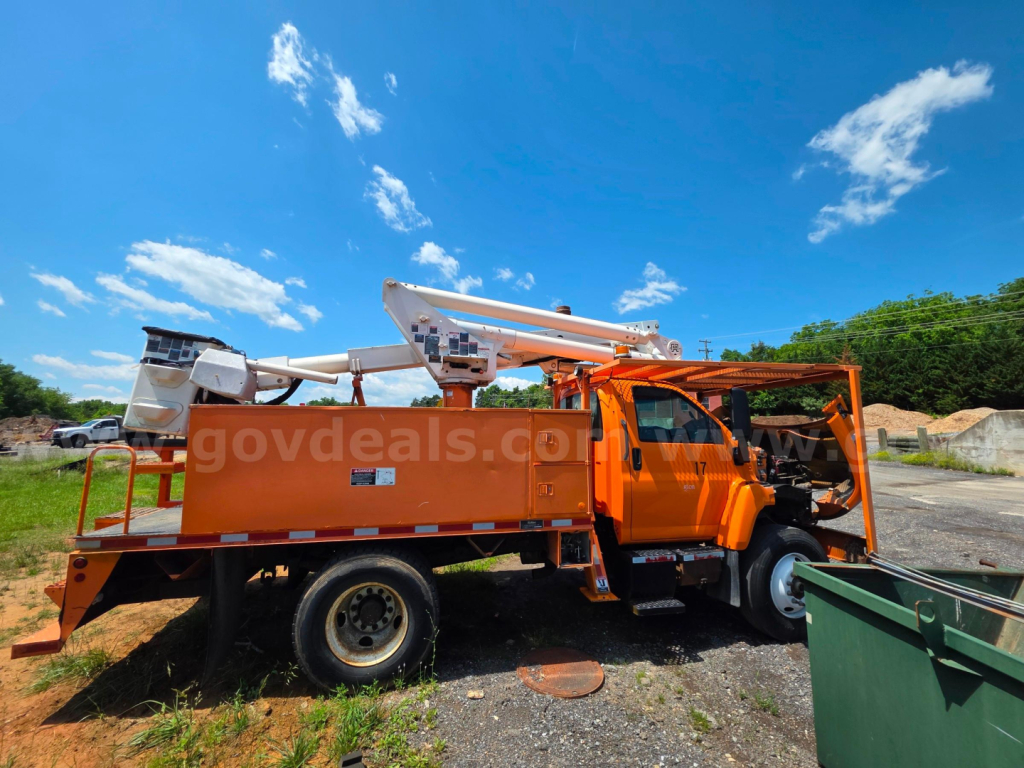
Have altec truck to sell? List it here to reach thousands of buyers.
About Altec Trucks
For aerial applications, working height and side reach are usually the first numbers to verify, but they are not the whole story. Platform capacity, boom articulation, material handling capability, and boom stow geometry can make a big difference in daily use. Altec bucket trucks may be overcenter or non-overcenter designs, with insulated or non-insulated booms depending on the electrical rating and intended line work. Utility buyers should confirm dielectric testing history, current boom inspections, and any ANSI compliance documentation. Tree and contractor buyers often focus more on chip box compatibility, tool storage, hydraulic tool circuits, and how stable the truck feels when outriggers are deployed on uneven ground.
The chassis and hydraulic package deserve close inspection because repair costs can shift quickly on older vocational units. Look at engine hours if an auxiliary engine is fitted, not just odometer miles. Check turret wear, boom pins, hydraulic hose condition, outrigger operation, rotation smoothness, platform controls, interlocks, and signs of corrosion on the subframe or body compartments. On Altec service and utility trucks, body layout matters for technician efficiency. Features like compressor provisions, inverter systems, reel mounts, ladder racks, work lighting, and enclosed compartments can have a direct impact on field productivity. If the truck will be used in a regulated utility environment, verify insulation class, placarding, and maintenance records before making a decision.
Altec has long been a recognized name in the vocational truck market because the equipment is engineered around specific work applications rather than general freight hauling. That makes these trucks valuable when the spec matches the job, but expensive to reconfigure when it does not. A buyer comparing Altec trucks for sale should start with the actual work requirement: platform height, lift capacity, material handling needs, crew size, storage needs, and road conditions. From there, it becomes easier to sort between a lighter bucket truck for municipal maintenance, a more specialized insulated unit for utility line work, or a heavier service configuration built for construction and infrastructure support.
Frequently Asked Questions
What types of trucks are commonly sold under the Altec name?
Altec trucks usually refer to vocational work trucks fitted with Altec equipment such as bucket booms, digger derricks, crane bodies, service bodies, and utility bodies. Most are mounted on medium-duty chassis and built for electric utility, telecom, forestry, municipal, and contractor applications. The exact truck type depends on the installed equipment, so buyers should evaluate both the chassis and the Altec upfit as a single working system.
What should I check first when buying a used Altec bucket truck?
Start with working height, side reach, boom type, and insulation rating because those determine if the truck can legally and safely perform the intended work. After that, review boom inspection records, dielectric testing history where applicable, platform controls, outrigger function, hydraulic condition, and structural wear around the pedestal and subframe. A truck with low miles can still have high boom use, so maintenance records and operating condition matter more than odometer reading alone.
Are Altec trucks only used by electric utilities?
No. Electric utilities are a major user group, but Altec trucks are also common in telecommunications, tree trimming, street lighting, sign installation, railroad support, municipal public works, and general infrastructure maintenance. Different applications call for different body and boom specs, so buyers should match the truck to the work environment instead of assuming every Altec unit is set up for energized line work.
How important is the chassis on an Altec truck?
The chassis is critical because it affects payload, stability, serviceability, parts access, and legal weight compliance. The same Altec boom or body can perform very differently depending on wheelbase, axle capacity, engine, transmission, and PTO configuration. Buyers should confirm that the chassis can support the mounted equipment and any crew, tools, and materials carried in normal operation without exceeding ratings.
What is the difference between an insulated and non-insulated Altec boom truck?
An insulated boom truck is designed for work near energized lines and is built to specific dielectric standards when properly maintained and tested. A non-insulated boom truck is intended for general elevated access work where electrical insulation is not part of the operating requirement. Buyers should never assume insulation status based on appearance alone and should verify the insulation class, testing records, and application limits before putting the unit into service.