
2026 Trucks For Sale in Georgia
2026 trucks in Georgia, spanning day cabs, box and dump bodies, with efficient powertrains, strong floors, low tare weight, corrosion protection.
Learn morePopular Trucks Categories
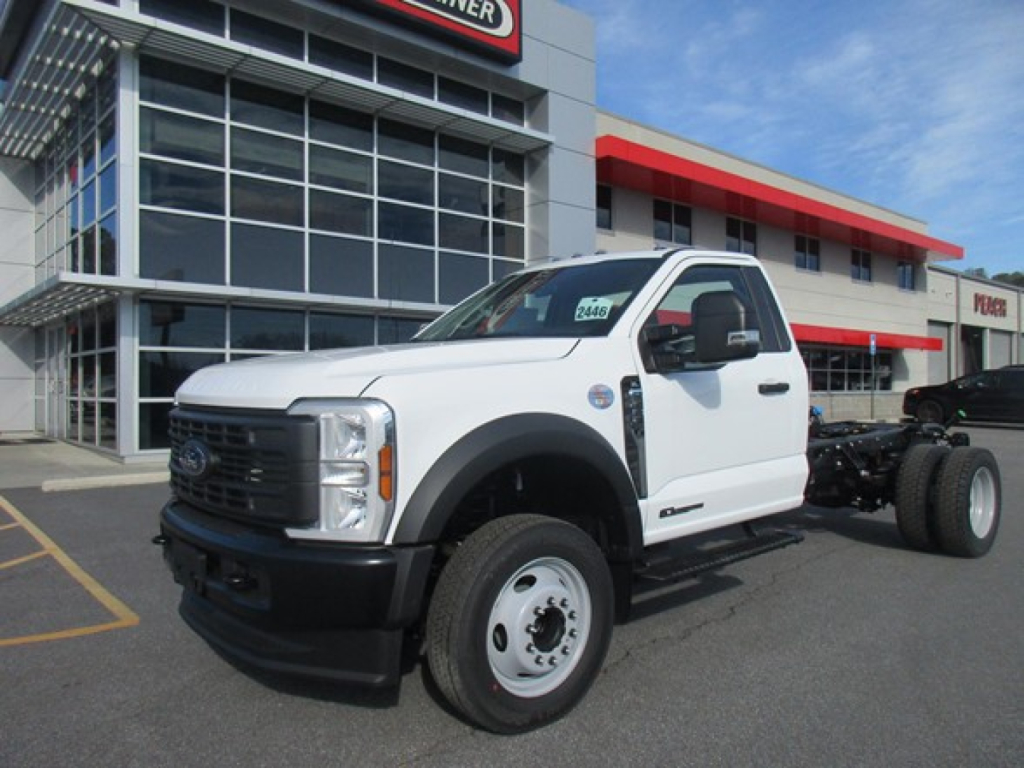
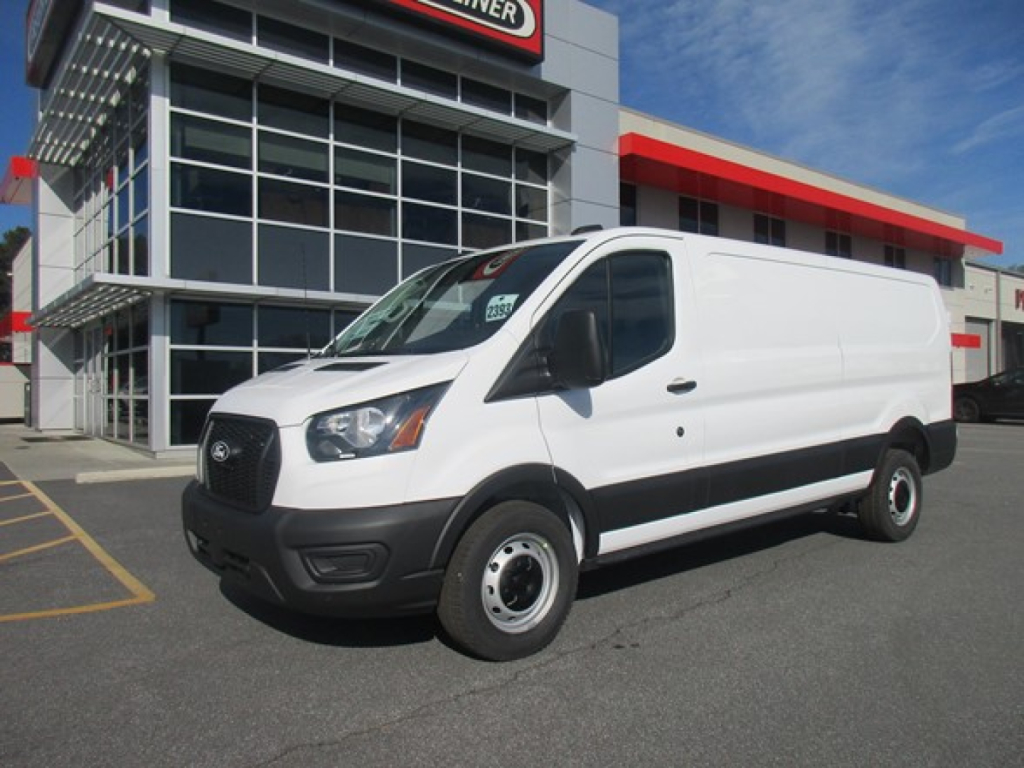
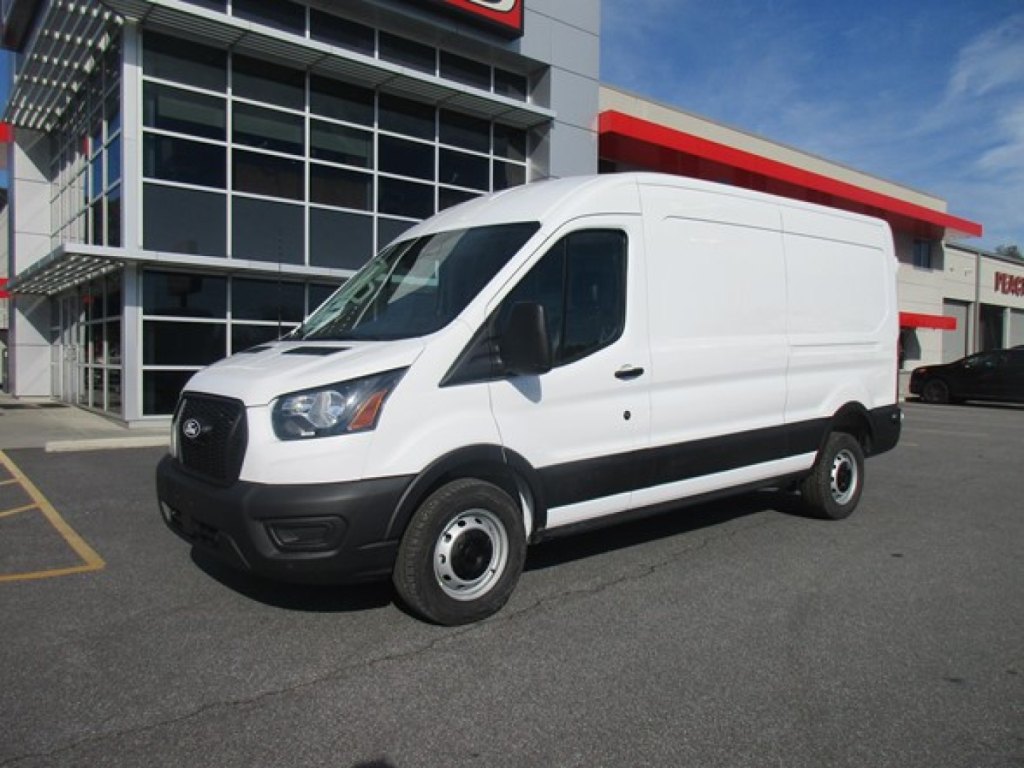
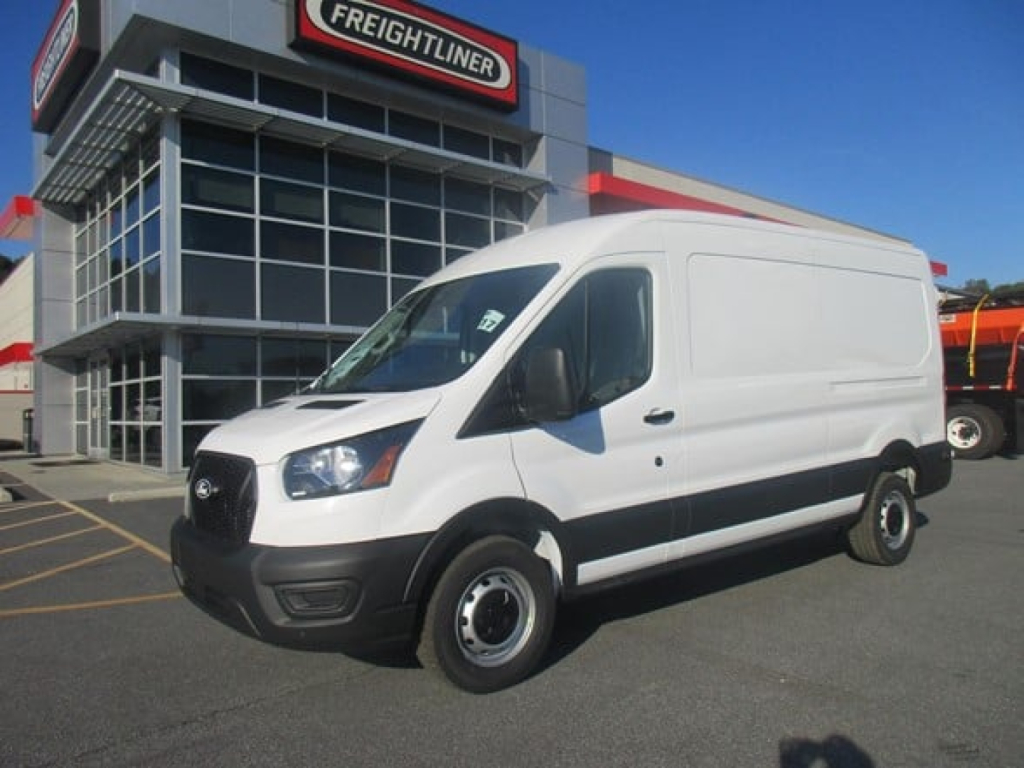
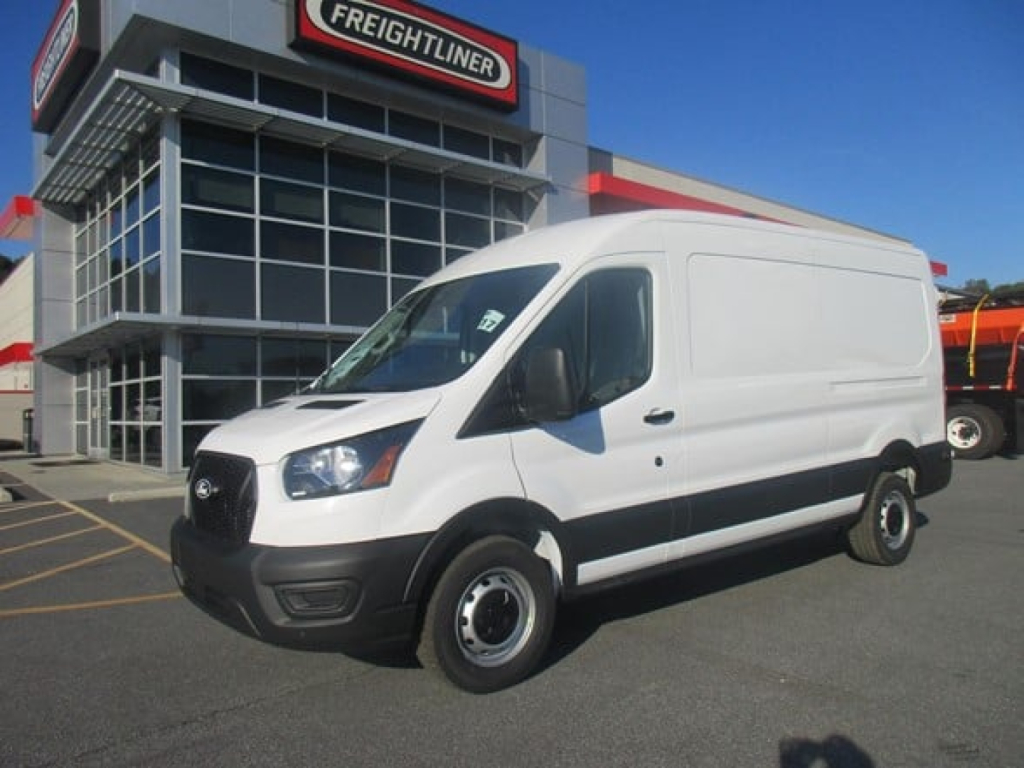
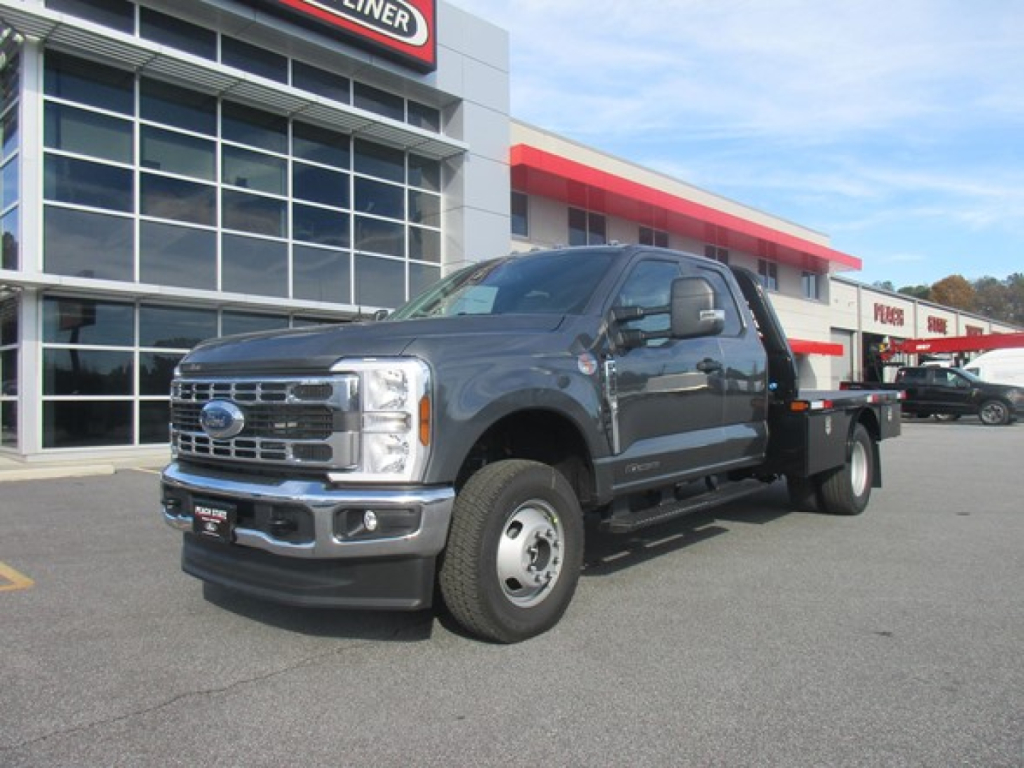

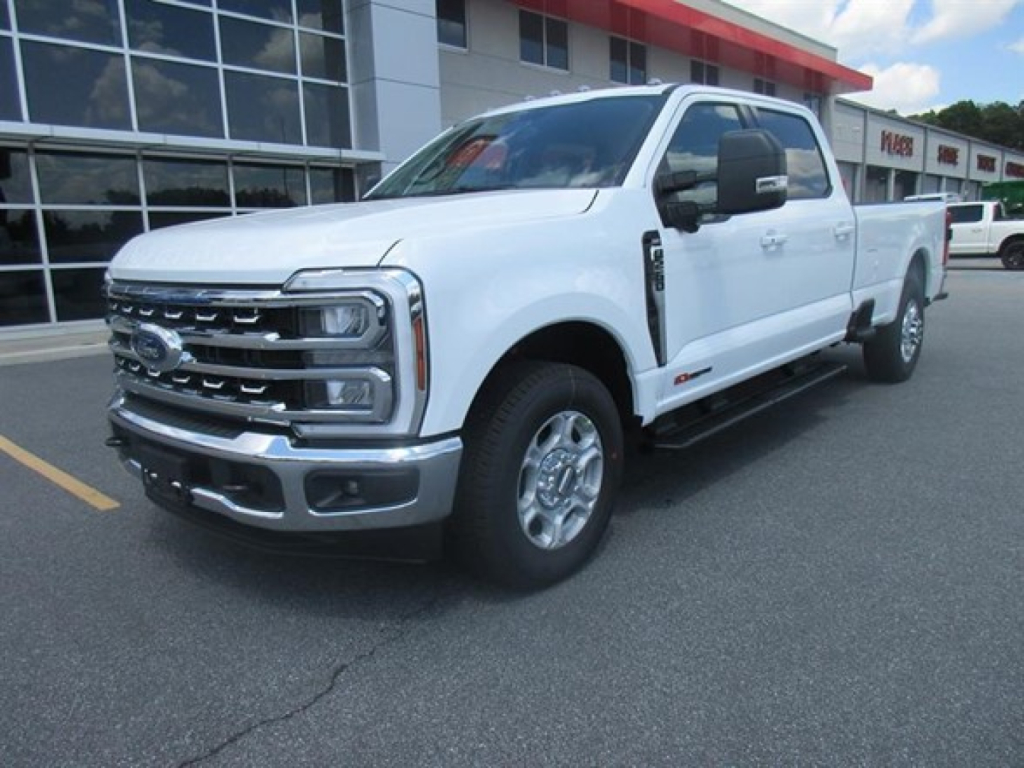
Showing 49 to 56 of 56 results
Have 2026 truck to sell? List it here to reach thousands of buyers.
About 2026 Trucks in Georgia
Floor strength is a make or break detail in straight trucks. For dry and refrigerated bodies, look for forklift rated plank or laminated hardwood floors with 3 nail patterns, aluminum thresholds, and 12 inch or higher scuff liners to stop pallet rash. Extruded aluminum plank reduces tare and resists moisture, hardwood handles point loads well, composite sills and stainless rear frames keep the back end tight. In dumps, abrasion resistant steel like 450 grade in the floor and lower side sheets handles riprap and asphalt, while crossmemberless designs shed mud and save weight. Flatbeds benefit from apitong or composite decking with countersunk fasteners, knurled apitong retains traction in wet conditions common in Georgia humidity.
Thermal integrity matters if you run a reefer box. Closed cell foam insulation with high panel density, sealed thermal breaks at posts, and fully welded aluminum or stainless corners reduce heat leak in August traffic. Look for gasketed multi blade rear door seals, recessed hinges, and drain channels that do not trap water. Aluminum duct floors or heavy duty T ducting keep air moving around tight cube loads, and a return air sensor with data logging lets you document FSMA compliance. On the cab and chassis side, pay attention to condenser placement, fan drive strategy, and alternator output so the transport refrigeration unit charges reliably at idle.
Tare weight and corrosion resistance drive life cycle cost. Aluminum wheels, composite fairings, and crossmemberless bodies cut hundreds of pounds, which can be the difference between scaling 80,000 on interstate routes and leaving revenue on the dock. E coated or galvanized frame components, stainless fasteners, sealed Deutsch connectors, and molded harness junctions resist Georgia’s humidity and coastal salt air. Disc brakes shorten stops and simplify service, air suspensions protect freight and bodies over rough county roads, and wide base singles reduce weight if your lanes support them. For powertrains, late generation diesel aftertreatment with robust DEF dosing and thermal management cuts parked regens, CNG options are viable for predictable return to base fleets, and battery electric straight trucks fit metro Atlanta routes with 80 to 200 mile days if you have overnight Level 2 or DC fast charging and regenerative braking optimized for stop and go work.
Frequently Asked Questions
How should I size GVWR and axle ratings for a 2026 truck in Georgia?
Start with your heaviest typical load, then add body weight, fuel, driver, and safety margin. Match front and rear axle ratings to actual scaled loads by position, not just total GVWR. For tractors, confirm fifth wheel position and wheelbase support proper kingpin loading; for straight trucks, verify rear axle and suspension rating exceed the floor’s forklift point load boundaries. Georgia bridge laws and 80,000 pound interstate limits still apply, so consider spread or tandem configurations that place weight legally over axles.
What floor specification works best for palletized freight and forklifts?
For dry or reefer box bodies, look for 1.5 inch laminated hardwood or heavy extruded aluminum plank floors with a documented forklift point load rating, aluminum or stainless rear thresholds, and high scuff liners. If you use dock plates daily, choose recessed or full width dock plates with reinforcement. Aluminum plank saves tare weight and resists moisture, hardwood absorbs shock from hard tire forklifts, and composite sills help isolate corrosion. In flatbeds, apitong or high strength composite decks handle chains and edge protection without splintering.
What corrosion protection features should I prioritize for Georgia operations?
Humidity and coastal air accelerate corrosion, so prioritize e coated or hot dip galvanized crossmembers and brackets, stainless hardware, sealed electrical connectors, and underbody coatings. Aluminum wheels and tanks reduce oxidation risk, and sealed seam bodies prevent water intrusion at posts and corners. Ask for documentation on salt spray testing, inspect drain paths so water cannot pool, and use dielectric grease on harness plugs during PMs.
How do 2026 diesel aftertreatment systems affect maintenance and uptime?
Current systems pair higher efficiency SCR catalysts with better thermal management, which lowers passive and parked regen frequency when engines reach proper temperatures. Uptime depends on clean DEF, intact dosing lines, and leak free exhaust joints that maintain heat. Spec adequate axle ratios to keep engine load in the green, use proper low ash oil, and monitor soot and NOx sensor data through telematics to catch issues early. For urban routes with long idle periods, idle management and PTO programming help maintain temperatures and reduce soot loading.
Are battery electric 2026 straight trucks practical for metro routes in Georgia?
Yes for predictable city and suburban lanes. Evaluate usable battery capacity, rated range with payload, and accessory loads like refrigeration. Plan overnight charging at the depot, confirm on site power availability, and consider DC fast charging for midday turns. Regenerative braking is effective in Atlanta traffic, lowering brake wear. Weight is higher, but low center of gravity and instant torque help drivability. Verify warranty, parts support, and telematics integration for state of charge, charging health, and thermal management.