
2026 Trucks For Sale Near Ellensburg, Washington
Browse 2026 trucks for sale in Ellensburg, Washington, including highway and vocational models with modern powertrains, safety tech, and spec options.
Learn moreNo exact matches found for your search
Showing 2026 Trucks in Washington instead.
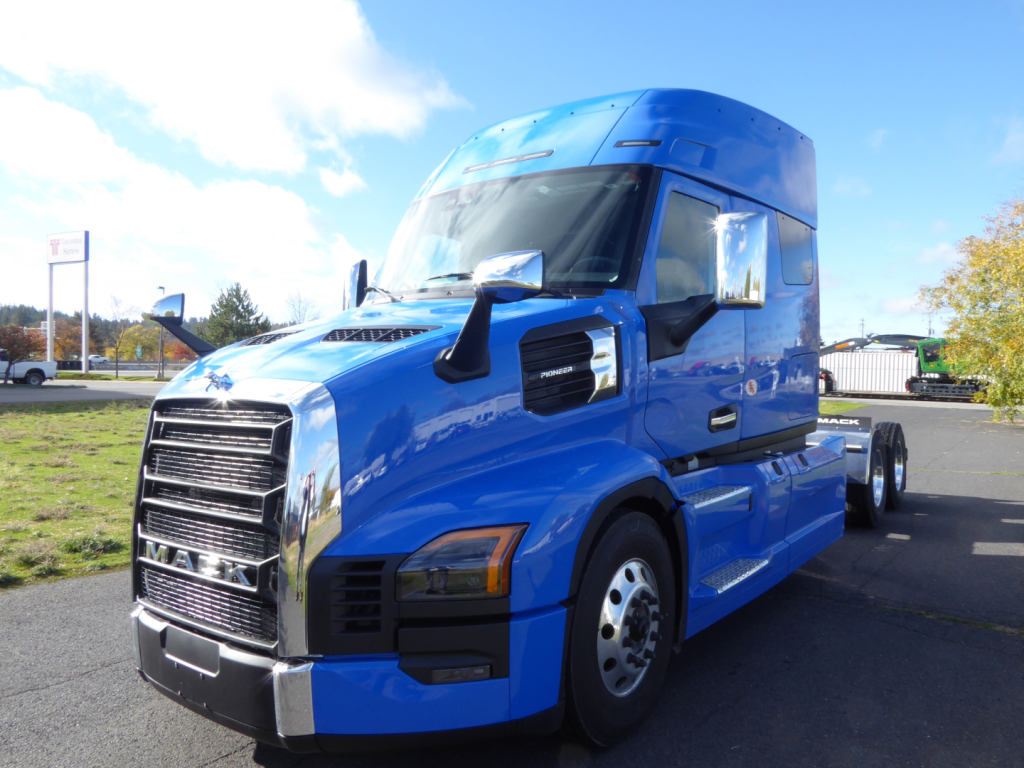
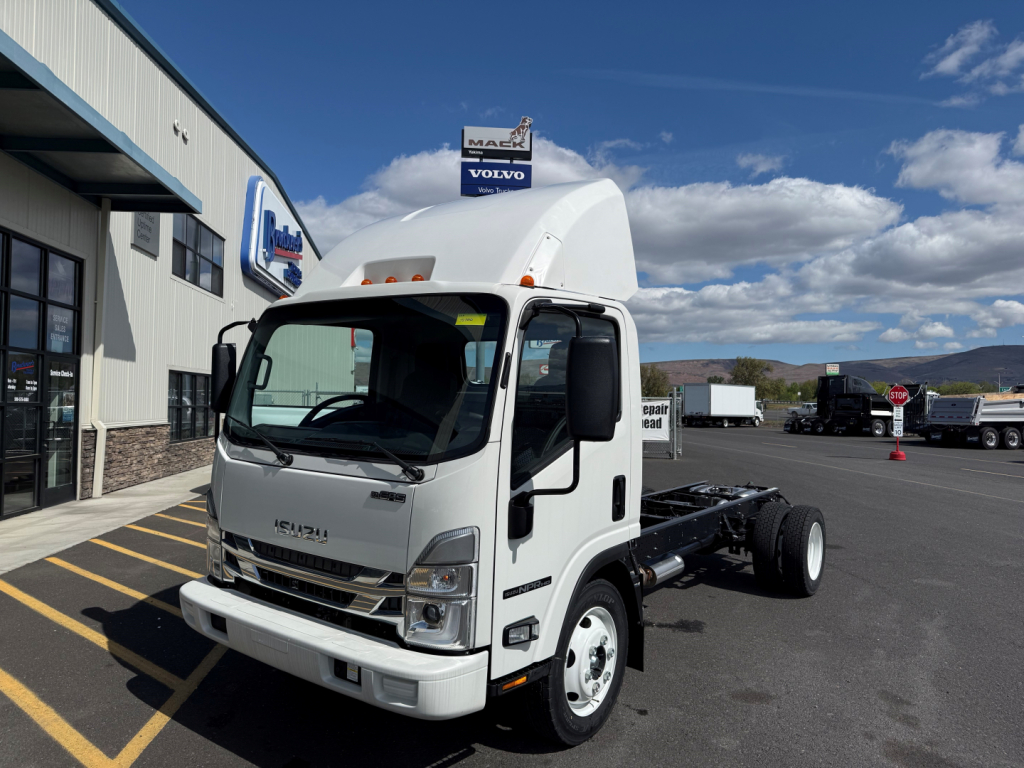
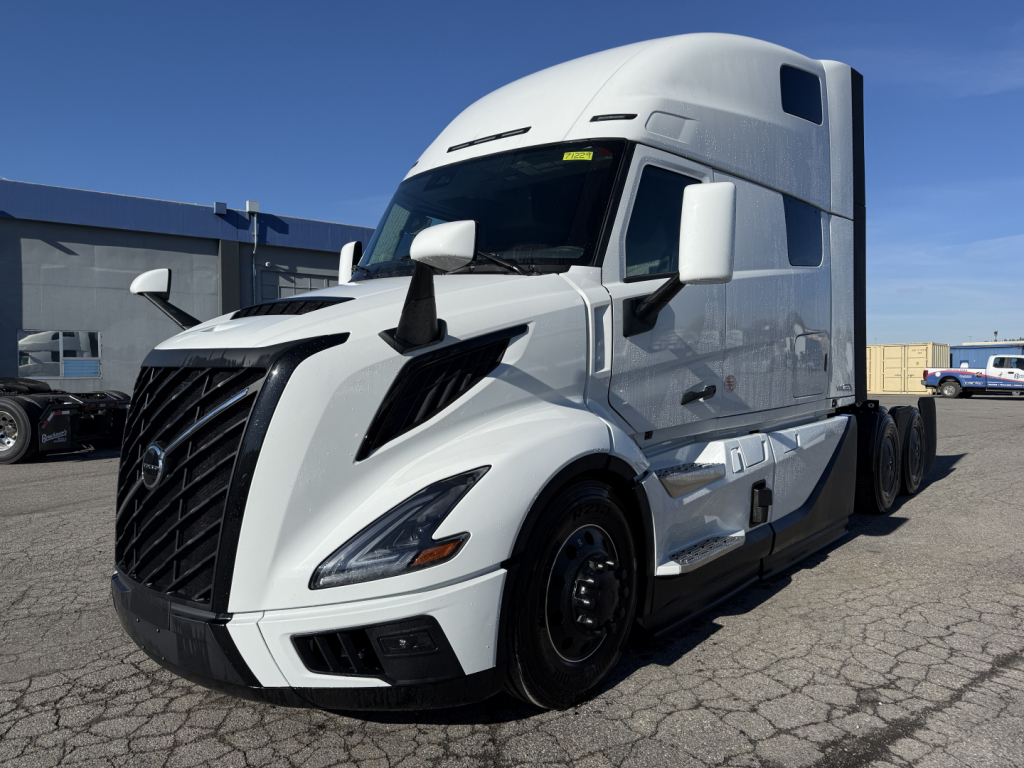
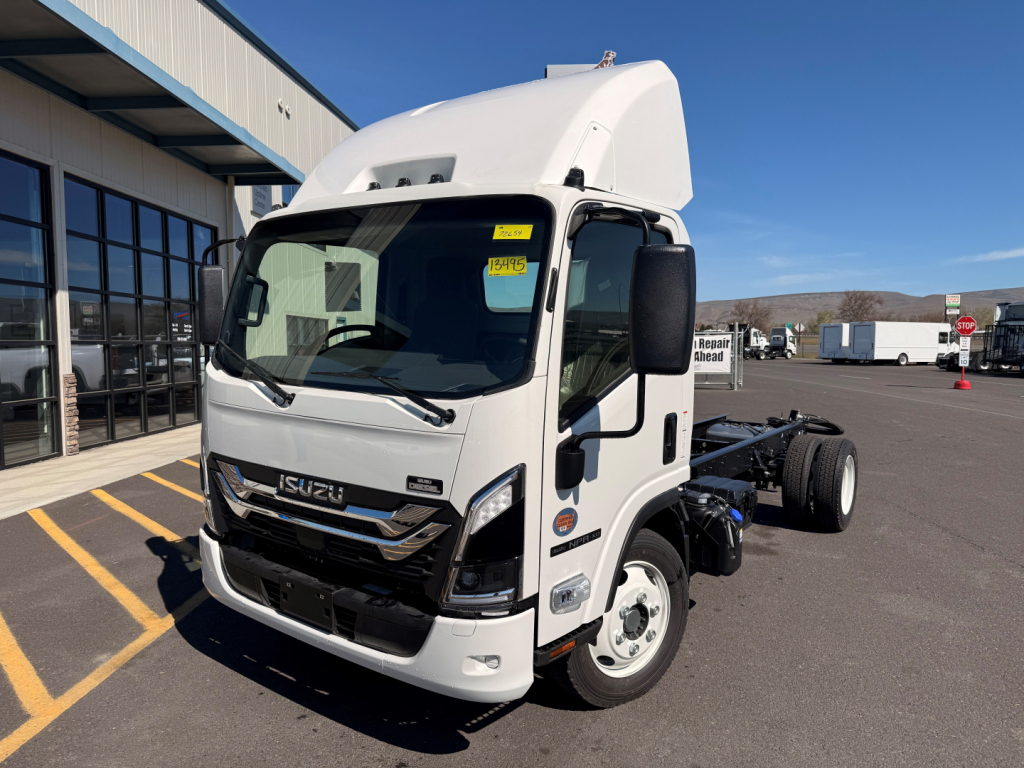
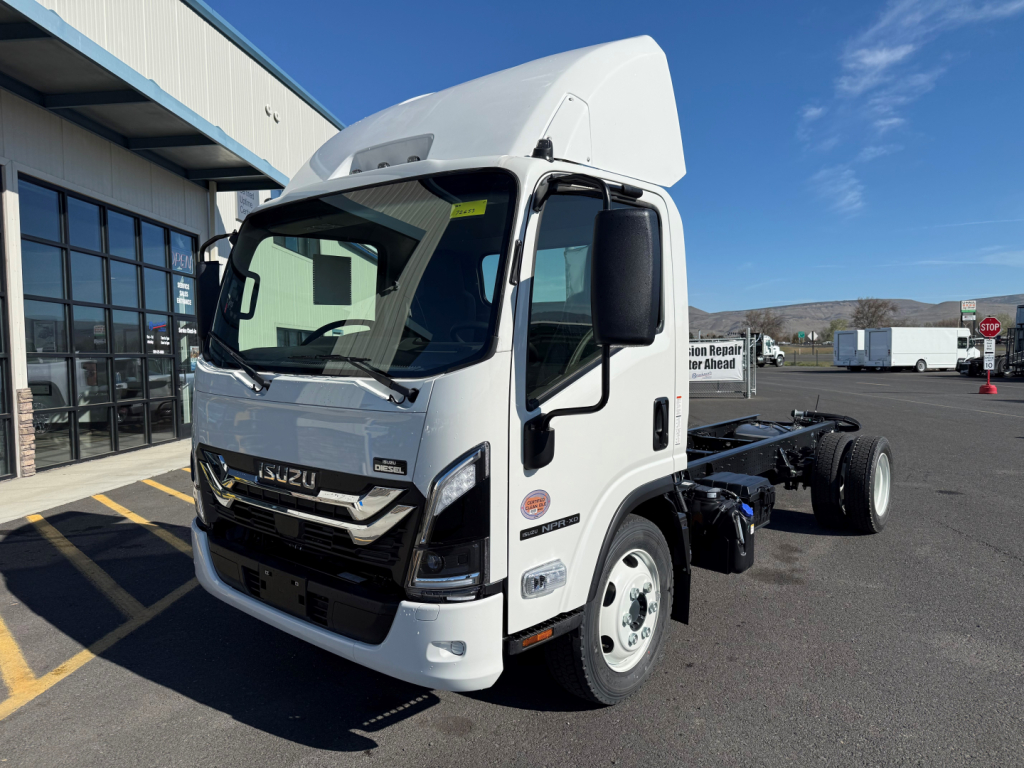
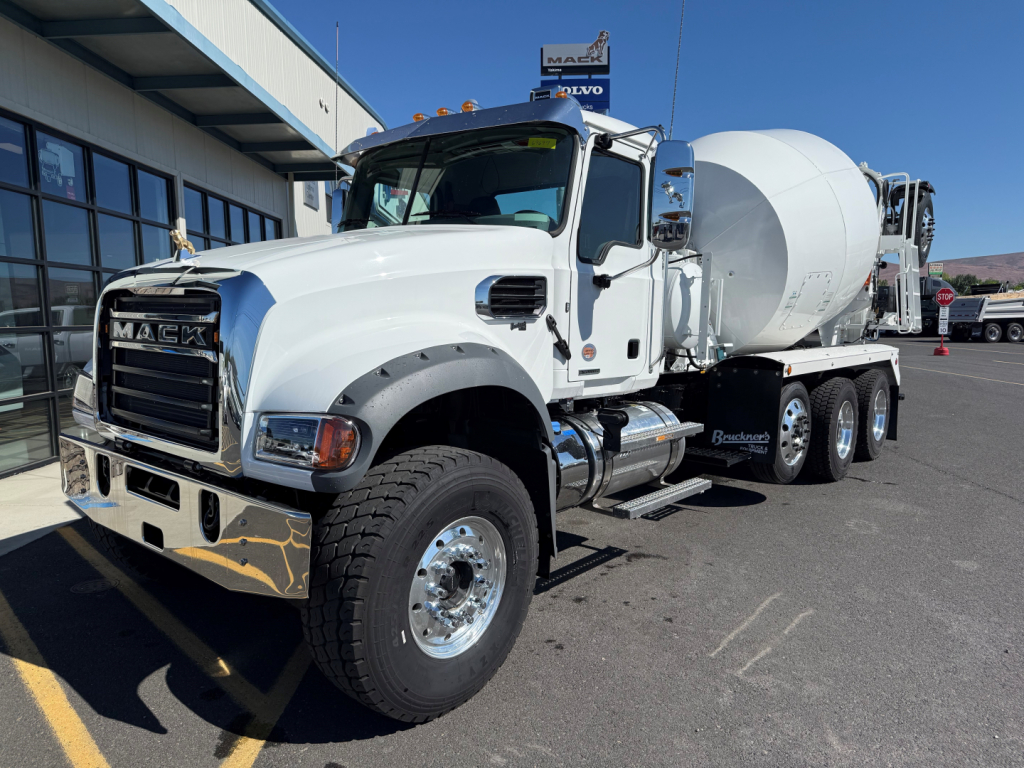
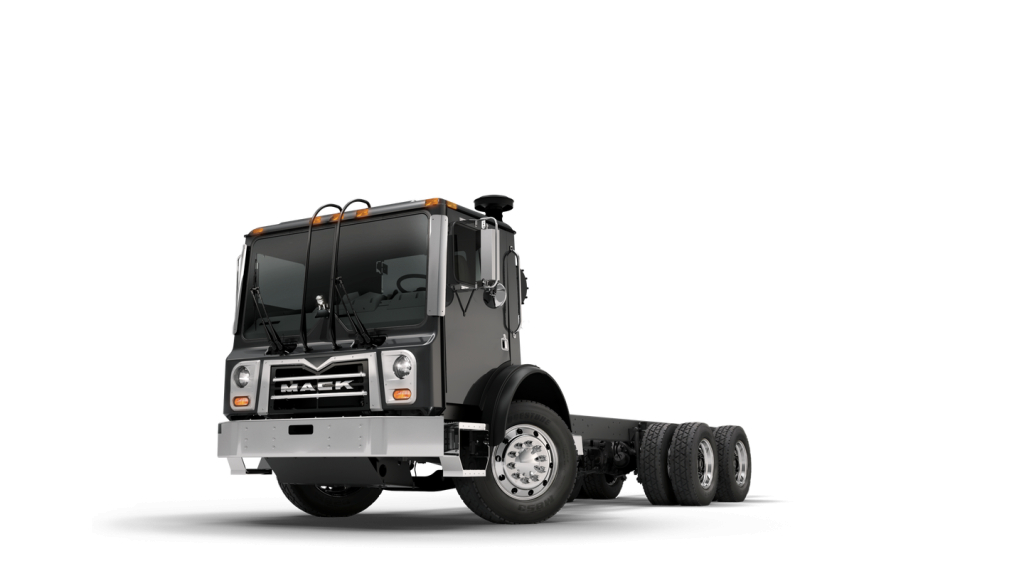
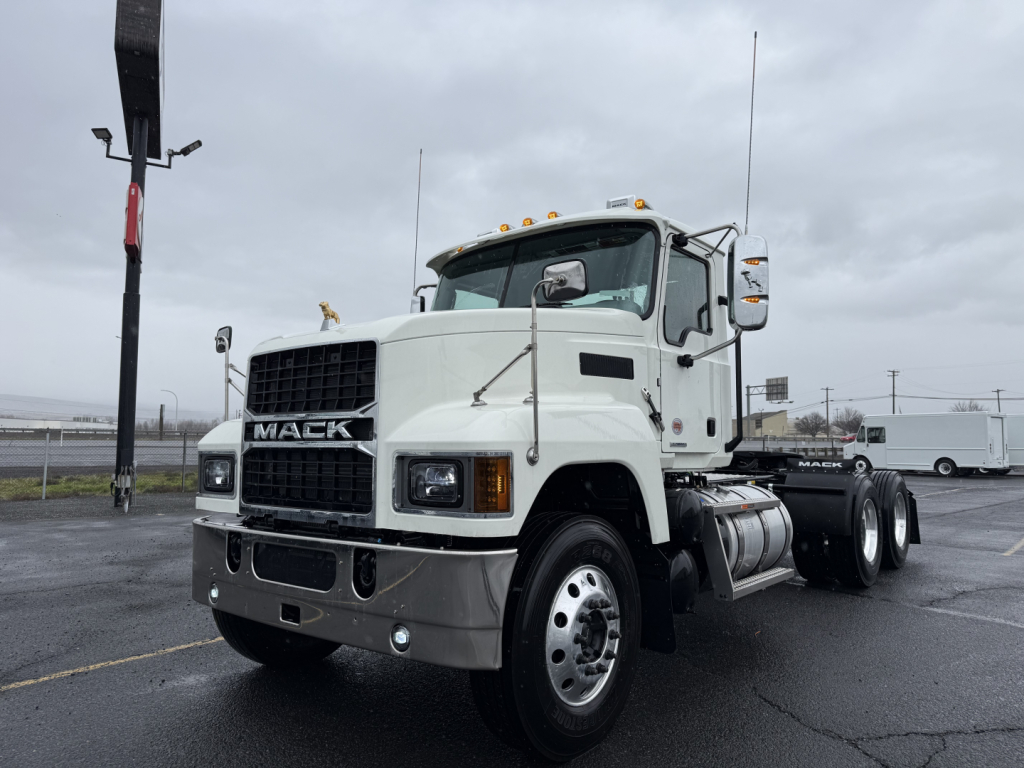
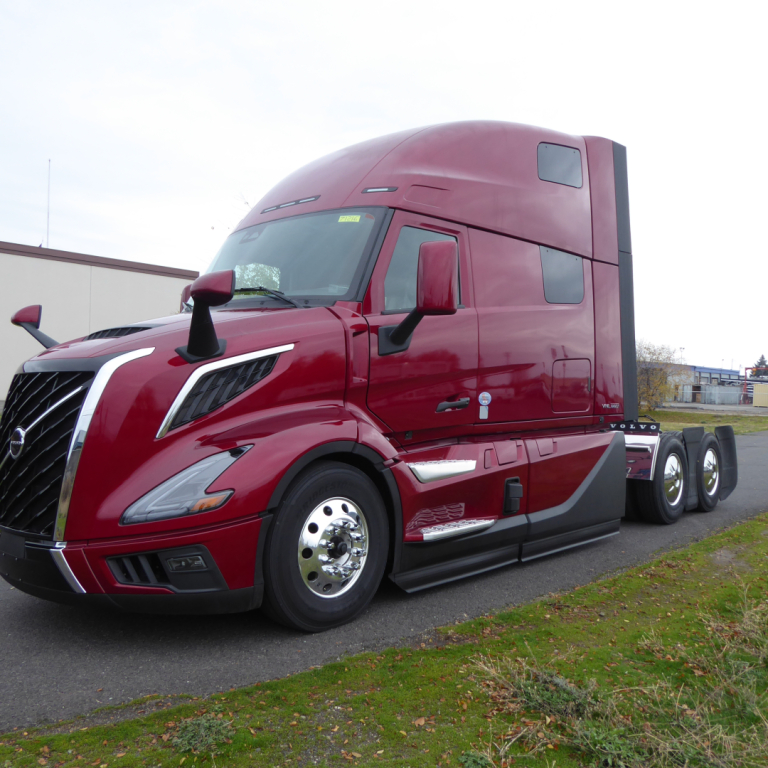
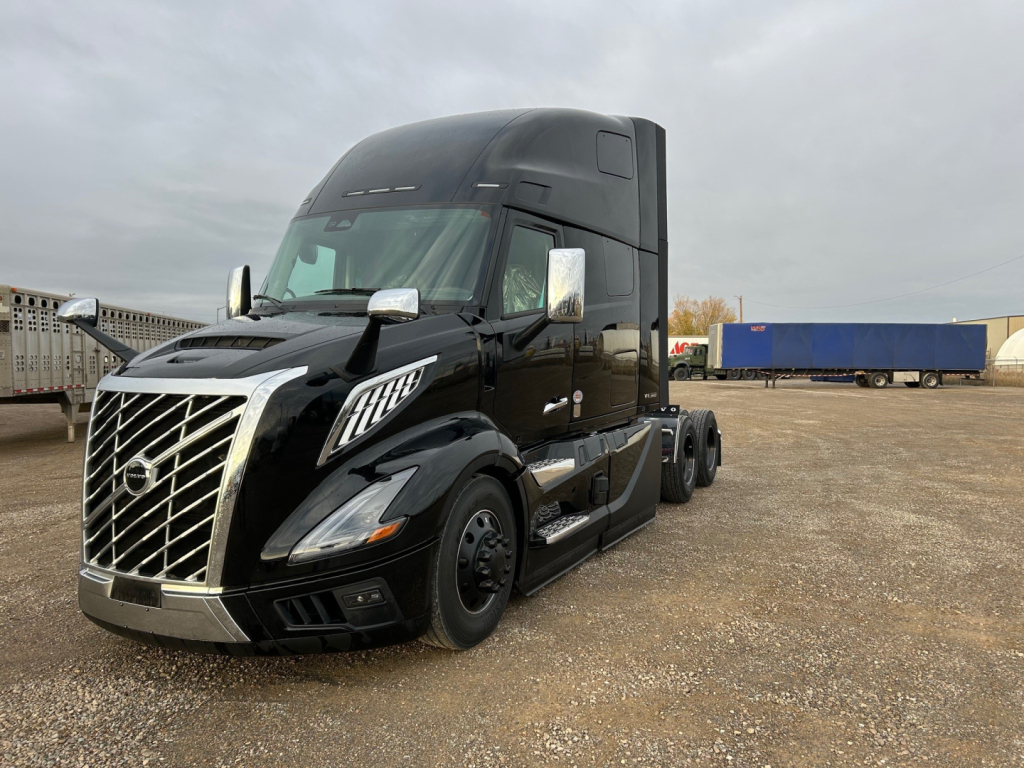
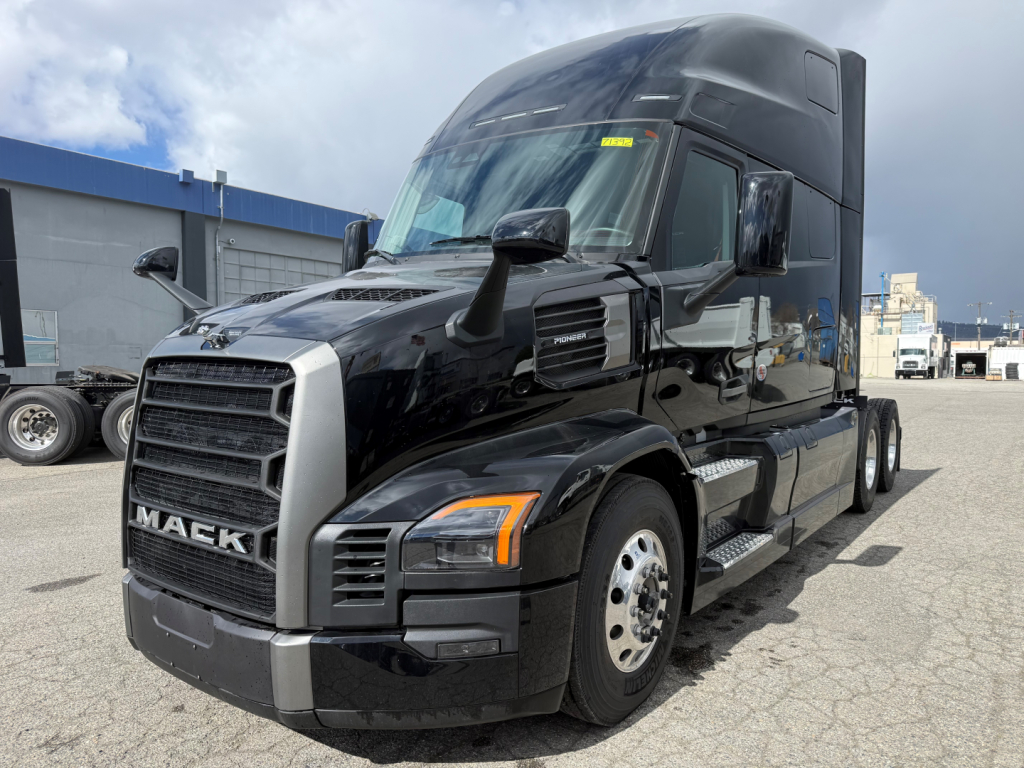
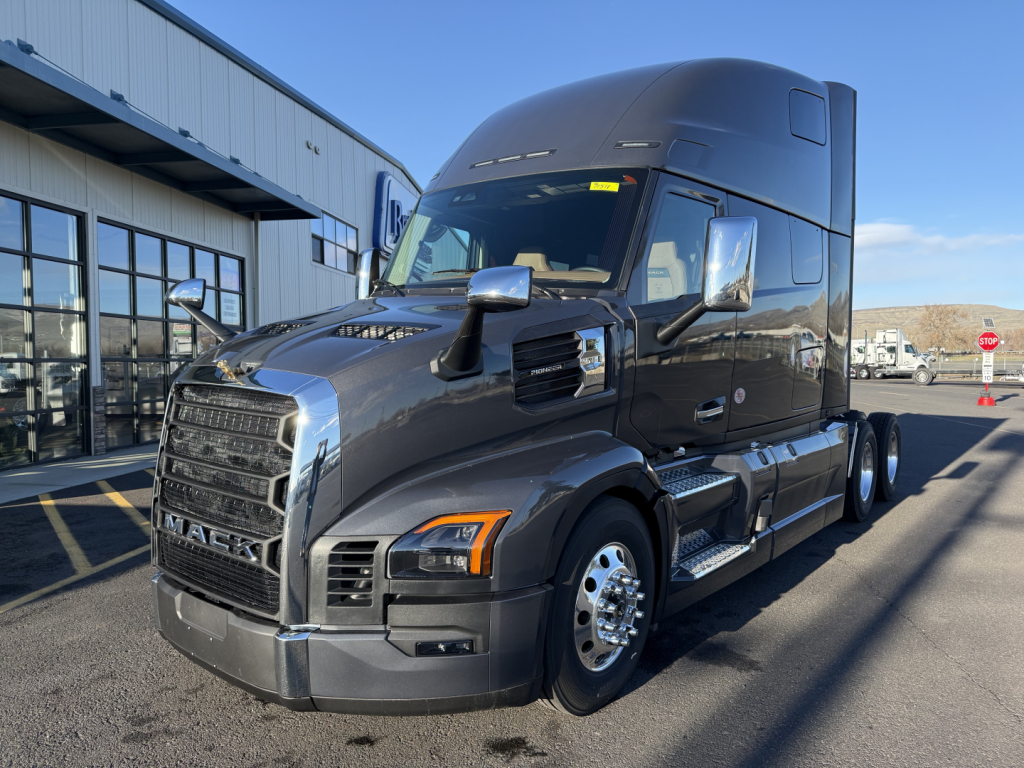
Showing 1 to 12 of 16 results
Have 2026 truck to sell? List it here to reach thousands of buyers.
About 2026 Trucks Near Ellensburg, Washington
For on-highway tractors, common 2026 specs include 13-liter engines in the roughly 425 to 515 horsepower range, automated manual transmissions, tandem rear axles, and rear axle ratios chosen around cruise speed and payload. Buyers comparing late-model conventional trucks should pay close attention to wheelbase, front axle rating, suspension type, and intended trailer pairing. A 244-inch wheelbase sleeper with a 40,000-pound rear axle setup behaves very differently from a shorter-wheelbase day cab built for tighter turns and more frequent stops. Rear ratio, direct drive versus overdrive transmission, and suspension spec all affect fuel burn, startability, drivability, and how the truck performs in Washington grades and mixed regional terrain.
Ellensburg is a practical market for evaluating trucks because the surrounding work can range from interstate linehaul to agriculture, municipal support, utility service, and construction-related hauling. That makes body and chassis compatibility especially important. Buyers looking beyond a standard road tractor should verify PTO provisions, frame dimensions, axle set-forward or set-back configuration, and vocational upfit readiness if the truck may carry a dump body, service body, derrick, or other specialty equipment. For fleet buyers, 2026 trucks can also bring value through newer telematics integration, improved collision mitigation systems, and easier parts support compared with older platforms.
A strong 2026 truck spec is not just about horsepower. It is about matching cab layout, axle ratings, gearing, suspension, and emissions maintenance expectations to the route and load profile. In Washington, that may also include considering mountain pulls, winter traction, idle management, and compliance requirements for different operating areas. Buyers comparing listings should read the build details closely, especially engine family, transmission model, sleeper size, GVWR, and axle configuration, because two trucks from the same year can be built for entirely different jobs.
Frequently Asked Questions
What should I look for first when comparing 2026 trucks for sale?
Start with the truck’s intended application. Cab type, wheelbase, axle ratings, and gearing should match the freight, trailer, and route. A long-wheelbase sleeper with an efficiency axle ratio is usually aimed at regional or long-haul work, while a shorter day cab may be a better fit for local hauling, vocational work, or frequent tight-turn operation. After that, review engine horsepower, transmission type, suspension, and any PTO or body-builder provisions.
Are 2026 trucks mainly equipped with automated transmissions?
Most current-spec highway trucks in this model year are equipped with automated manual transmissions because they improve shift consistency, help protect the driveline, and support fuel-economy programming. They also reduce driver fatigue in traffic and on grade changes. Manual transmissions still exist in some applications, but AMTs are now the standard choice in many fleet and owner-operator highway specs.
How important is rear axle ratio on a 2026 truck?
Rear axle ratio has a direct effect on cruise RPM, launch feel, gradeability, and fuel economy. A numerically lower ratio such as 2.28 or 3.08 can support lower engine speed at highway cruise when paired correctly with tire size and transmission gearing, but the best choice depends on GCW, terrain, and average speed. Buyers operating in Washington should consider mountain routes, startability under load, and how often the truck will run at interstate speed versus local or mixed-duty cycles.
What is the difference between a 2026 sleeper truck and a 2026 day cab?
A sleeper truck includes a bunk area for over-the-road or multi-day runs and is usually spec’d with a wheelbase and fuel capacity that support longer routes. A day cab removes the sleeper to reduce overall length and weight, which can improve maneuverability and payload flexibility for local or regional work. The right choice depends on hours away from home, trailer type, route density, and customer loading environments.
Do newer 2026 trucks offer advantages beyond lower age and mileage?
Yes. Newer trucks often include updated emissions calibration, collision mitigation features, lane and braking safety systems, integrated telematics, and factory programming that can improve uptime and fleet oversight. They may also offer stronger dealer support for software updates and diagnostics. For many buyers, the real advantage is not just newer age, but a truck spec that aligns better with current fuel, safety, and maintenance expectations.