
2000 International Trucks For Sale
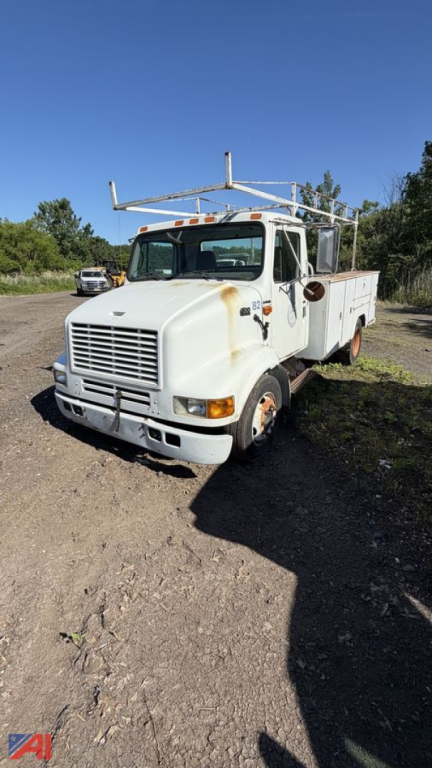
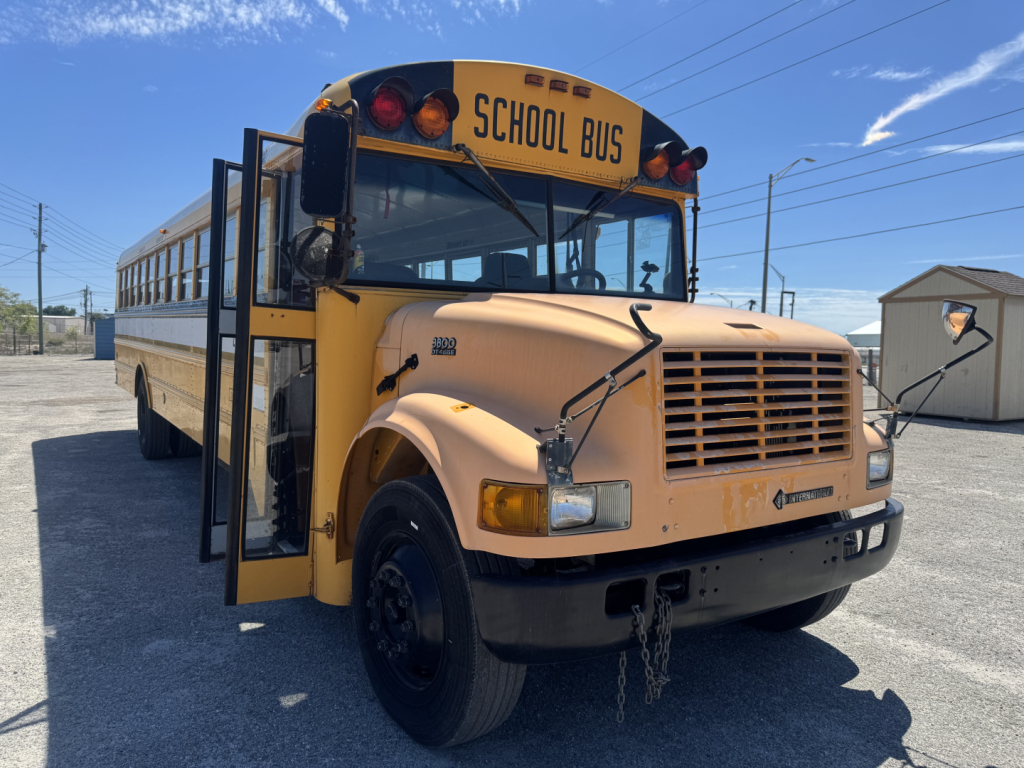
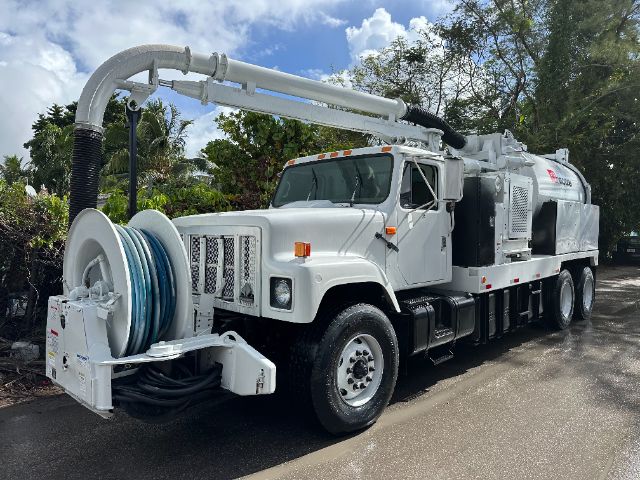
2000 International trucks with pre-emissions power, durable frames, and smart spec options. Engines, tare weight, corrosion, floor and thermal checks.
Learn more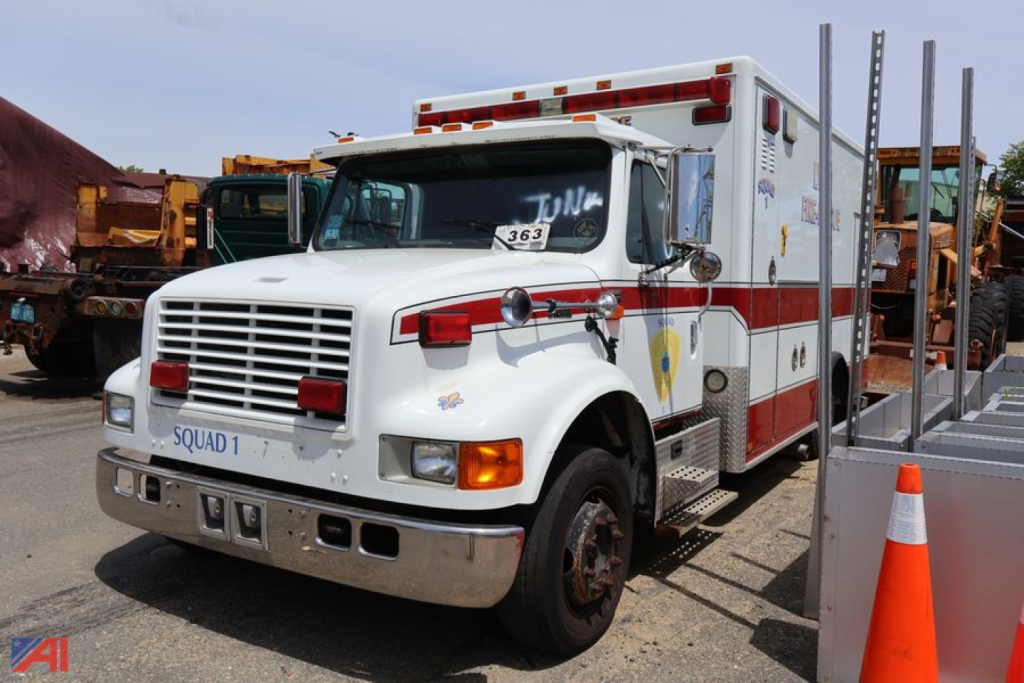

Have 2000 international truck to sell? List it here to reach thousands of buyers.
About 2000 International Trucks
Engines you will see in this year range include International DT466E and DT530E in medium duty, plus Cummins N14 and ISM and Caterpillar C10 and C12 in heavy duty. These are ECM controlled without EGR or DPF, which lowers aftertreatment risk and simplifies diagnostics. Known checkpoints include HEUI pump health and injector harnesses on DT466E, overhead set history and liner protrusion on Cats, and cam follower or air compressor seepage on ISM. Transmissions are typically Eaton Fuller 9, 10 or 13 speed manuals, or Allison MD and HD automatics, so match gearing to your cruise speed and terrain; select axle ratios that hold the engine in its torque band at 60 to 70 mph.
Chassis choices span Hendrickson or Reyco leaf to International Air Ride and Hendrickson Airtek. Air suspensions protect freight and driveline, steel springs tolerate off road abuse and high cycle loads. Tare weight for a 2000 International day cab tandem tractor commonly lands near 17,000 to 19,000 pounds depending on wheelbase, tank size and aluminum components; sleepers add roughly 1,200 to 2,000 pounds. Verify axle ratings, fifth wheel height, kingpin setting and wheelbase against your bridge formula and trailer fleet to avoid payload or turning radius surprises.
Corrosion resistance is the make or break factor at this age. Inspect frame rail flanges and webs for scale under seam caps, crossmembers for rust jacking at suspension hangers, cab corners, door sills, battery boxes and radiator supports. For straight trucks with van or reefer bodies, evaluate floor strength by checking crossmember spacing, hardwood or composite plank wear, and forklift duty markings; look for crushed stringers, cracked welds at the rear threshold, and scuff liner damage. Thermal integrity on reefer boxes depends on insulation thickness and seal condition; check door gaskets, roof seams and T floor channels for moisture intrusion, and confirm the unit can pull down and hold setpoint without excessive cycle time. For dumps, examine body floor thickness and AR steel spec, hoist trunnions and doghouse mounts for elongation or cracking.
Frequently Asked Questions
Which engines are common on 2000 International trucks and what are the trade offs?
Medium duty units often run International DT466E or DT530E, which use HEUI injection and respond well to clean oil, proper HPOP pressure and good injector harnesses; they are durable, fuel efficient and easy to service. Heavy duty tractors frequently carry Cummins N14 or ISM, or Caterpillar C10 or C12. N14 is known for strong torque and longevity, ISM is lighter with good fuel economy, and C10 or C12 offer a solid balance of power and weight. All are ECM controlled without EGR or DPF in 2000, which reduces aftertreatment costs. Focus inspections on overhead set history, blow by, oil analysis, cooling system health and any evidence of head gasket, liner or cam follower issues before committing.
What tare weight should I expect and how does it affect payload?
A typical 2000 International tandem day cab tractor runs about 17,000 to 19,000 pounds depending on wheelbase, tanks, wheels and tires. Add 1,200 to 2,000 pounds for a sleeper and fairings. A single axle van body straight truck can land near 15,000 to 17,000 pounds with a 24 to 26 foot box, a reefer body and unit usually add several hundred pounds, and steel dump bodies can push tandems to the low 20,000s. Tare weight dictates payload and axle compliance under the bridge formula, so verify scale tickets, axle ratings and weight distribution with your trailer or body configuration.
Where do 2000 International trucks typically rust and how should I evaluate corrosion?
Focus on frame rail flanges and webs, especially under inner liners and seam caps, crossmembers at suspension hangers, cab corners, door sills, cab mounts, battery boxes and radiator supports. Probe suspect areas with a pick after removing flaking scale, look for rust jacking between layered steel, and check brake and fuel lines for pitting. If the truck has frame liners, inspect between the liner and parent rail where moisture can be trapped. On severe service units, consider ultrasonic thickness checks at high stress points to confirm remaining section modulus.
How do I assess floor strength and thermal integrity on van or reefer bodies mounted to these trucks?
For floor strength, look at crossmember spacing and condition, the type and wear of hardwood or composite planks, and forklift duty markings or OEM spec plates. Inspect for crushed planks, cracked welds at the rear threshold, loose or damaged scuff liners, and loose logistics posts. For thermal integrity on reefers, examine door seals, roof and corner seams, and the condition of T floor channels for signs of moisture. Confirm the unit can pull down to setpoint and hold steady, then scan interior walls for hot spots that indicate insulation voids or delamination.
Are parts and service support still available for 2000 International models and are there emissions restrictions to consider?
Yes, chassis parts are widely supported through Navistar and the aftermarket, and engines from Cummins, International and Caterpillar have strong parts pipelines and rebuild paths. Electronics are J1939 era and generally serviceable with common tooling. Be mindful of regional emissions rules, some states restrict registration or operation of pre 2010 diesel trucks in certain weight classes, so verify compliance requirements before purchase if you operate in regulated areas.