
1999 Freightliner Trucks For Sale
Shop 1999 Freightliner trucks for sale. Compare FLD, Century Class, Business Class and vocational specs, engines, wheelbases, axles, and cab options.
Learn more
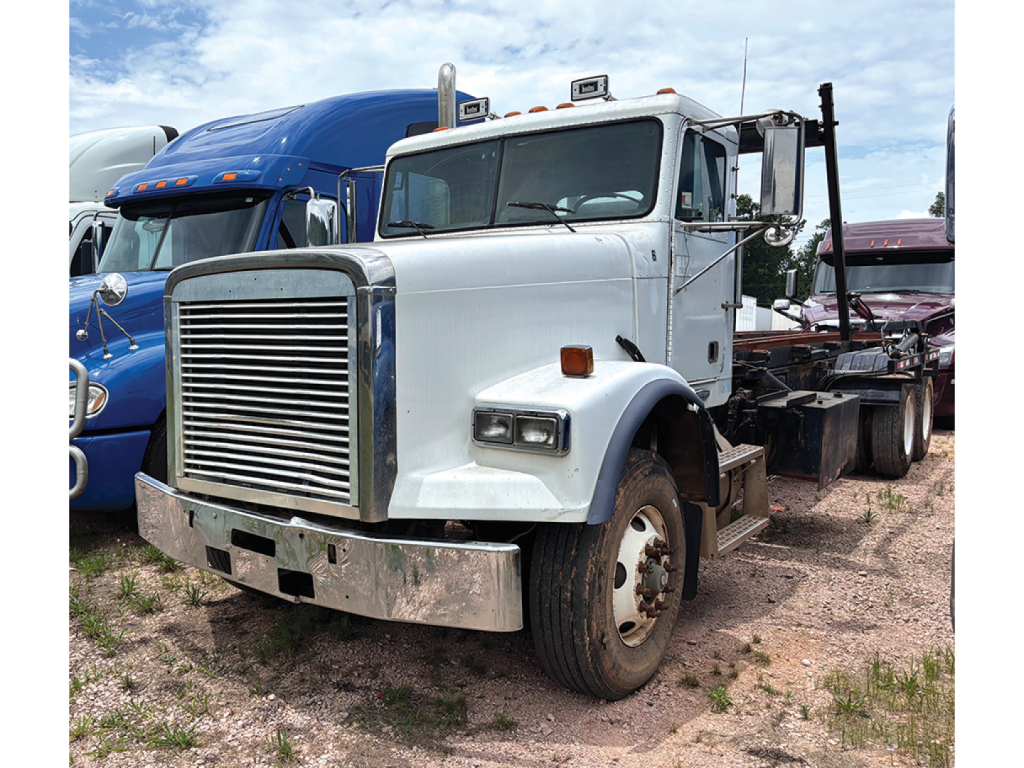
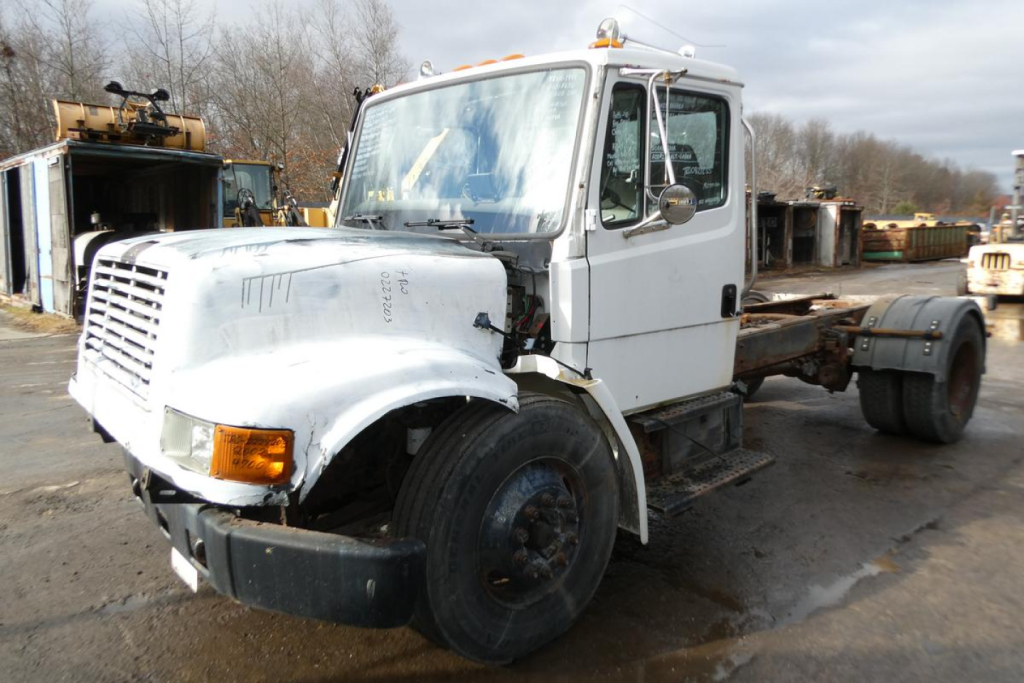
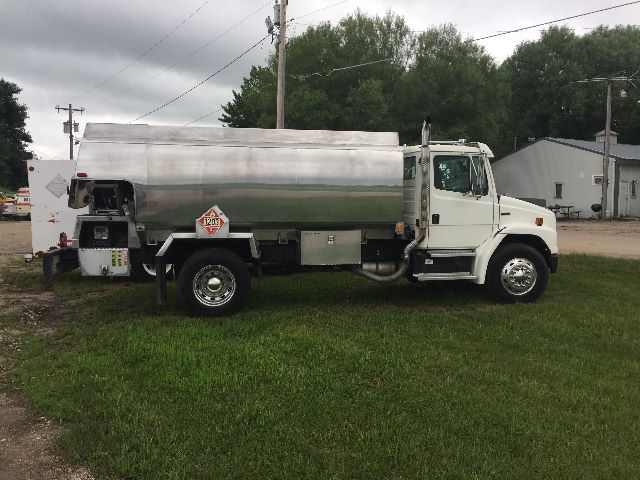
Have 1999 freightliner truck to sell? List it here to reach thousands of buyers.
About 1999 Freightliner Trucks
The first decision is application. A 1999 Freightliner day cab is often chosen for local haul, container work, dump, roll-off, grain, or municipal duty, while sleeper tractors from the same year are still common in regional and long-haul use where a lower acquisition cost matters more than late-model cab refinements. Buyers should focus on axle configuration, wheelbase, suspension, and front axle capacity before getting distracted by cosmetics. Single-axle 4x2 setups can work well for lighter regional freight or vocational bodies, while tandem 6x4 trucks are the standard choice for heavier gross weights and trailer work. Common suspensions include Freightliner AirLiner air ride and various spring setups, and the right choice depends on ride quality, articulation needs, and expected payload.
On a 1999 Freightliner, condition is usually more important than brand familiarity alone. Pay close attention to frame corrosion, cab mounts, wiring repairs, steering play, air system leaks, brake foundation condition, and signs of hard vocational use. Engine history is critical because many trucks from this era have had overhauls, injector work, head work, or replacement transmissions during their service life. Verify the engine family, horsepower rating, rear axle ratio, and whether the truck has a wet kit, PTO provisions, sliding or fixed fifth wheel, or body-mount compatibility if you are buying for a specific job. Interior wear, HVAC performance, and instrument function also matter more on older Freightliner trucks because downtime usually comes from accumulated small issues rather than one major failure.
Buyers comparing 1999 Freightliner trucks for sale should also think about registration class, bridge law, and how the truck will fit current route demands. A truck with the right wheelbase, axle ratings, and gearing can still be a cost-effective asset for farm hauling, construction support, equipment transport, and backup fleet duty. Freightliner built a large volume of trucks in this era, so replacement body parts, drivetrain components, and salvage support are generally easier to source than with more limited-production makes. If the truck has a sound frame, a documented driveline, and specs that match the intended work, a 1999 Freightliner can still deliver dependable service in the right operation.
Frequently Asked Questions
What engines are common in a 1999 Freightliner truck?
Common engine options in 1999 Freightliner trucks include Detroit Diesel Series 60, Caterpillar 3406 variants, and Cummins N14 or M11 depending on the model and intended application. The exact engine matters because parts cost, service familiarity, fuel economy, and resale can vary significantly by platform. Buyers should confirm the engine serial number, horsepower rating, and any overhaul records instead of relying only on the hood badge or seller description.
Is a 1999 Freightliner a good choice for local or vocational work?
A 1999 Freightliner can be a very good fit for local haul and vocational work if the chassis specs match the job. Many of these trucks were ordered with straightforward drivetrains, durable frame layouts, and suspension options that adapt well to dump bodies, flatbeds, tanks, grain setups, or municipal equipment. The key is checking axle ratings, frame modifications, PTO capability, and overall mechanical condition, because older vocational trucks often show wear from heavy stop-and-go service and body upfitting.
What should I inspect first on a used 1999 Freightliner?
Start with the frame, engine, transmission, rear housings, suspension hangers, steering components, and air brake system. On a truck of this age, rust, prior repairs, air leaks, driveline vibration, and wiring issues are often more important than mileage alone. Buyers should also inspect cab floors, door hinges, dash function, HVAC operation, and evidence of fluid leaks around the engine, transmission, hubs, and power steering system.
Are parts still available for 1999 Freightliner trucks?
Parts availability is generally still strong for 1999 Freightliner trucks because Freightliner produced these models in high volumes and many drivetrain components were shared across multiple makes and applications. Wear items, brake parts, steering components, suspension parts, lighting, and many cab pieces can still be sourced through aftermarket, OEM, and salvage channels. Availability gets more truck-specific when dealing with trim parts, older dash components, and some discontinued cab or model-specific pieces.
What cab and chassis options are typical on 1999 Freightliner trucks?
Typical 1999 Freightliner configurations include day cabs, mid-roof and condo sleepers, and straight truck chassis in several wheelbases and axle layouts. Depending on the model line, buyers may find single-axle or tandem-axle setups, air ride or spring suspension, set-forward or set-back axle designs, and manual or automated body controls for vocational equipment. Matching wheelbase, cab-to-axle measurement, and frame spec to the intended trailer or body is one of the most important buying decisions in this category.