
Air Compressor For Sale
Browse air compressor trucking equipment with common CFM, PSI, engine, and towable spec insights for jobsite, fleet, and service use.
Learn more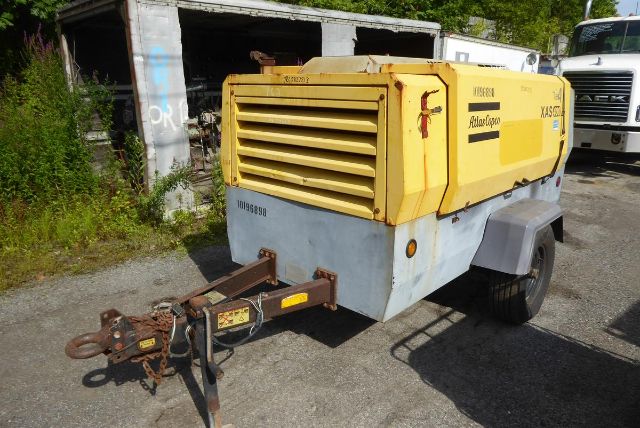
Have air compressor equipment to sell? List it here to reach thousands of buyers.
About Air Compressor
Most truck-related air compressor units in this class use a diesel engine, often from well-supported suppliers such as John Deere, Kubota, Deutz, or Caterpillar depending on age and model. Engine hours matter, but service history matters more. Look for clean starts, stable idle, consistent pressure build, and a compressor that makes rated air without excessive oil carryover. On tow-behind units, buyers should check axle condition, tire size and age, lunette or ball hitch setup, lighting, safety chains, and brake configuration if required for the unit weight. Air outlet count and size also affect day-to-day usability, especially when feeding more than one hose or running larger connections for high-demand tools.
Construction and package design can vary more than many buyers expect. Aftercooled compressors are useful when moisture control matters, while larger fuel tanks and efficient engine-compressor matching help on long shifts. Canopy layout, access panels, and parts support make a real difference in ownership cost because routine maintenance is constant on portable compressors. Pay attention to separator service intervals, cooler cleanliness, battery condition, and signs of hard use around the drawbar, jack, fenders, and canopy latches. A unit that runs well but has neglected cooling or air-end maintenance can become expensive quickly.
For buyers comparing portable air compressors for sale, the best value usually comes from matching output to the actual tool package and duty cycle rather than simply buying the biggest machine available. Oversized units burn more fuel than necessary, while undersized units cycle hard and struggle to keep pressure under load. If the compressor will travel behind a service truck or be moved regularly between sites, overall dimensions, transport weight, and hookup compatibility deserve as much attention as engine make. The right air compressor should deliver steady airflow, straightforward field serviceability, and enough reserve capacity to handle peak demand without living at its limit.
Frequently Asked Questions
What size air compressor do I need for trucking or jobsite use?
The right size depends on the total air demand of the tools or systems you plan to run at the same time. Many buyers start with CFM and PSI because those two numbers determine whether the compressor can maintain pressure under load. A 400 CFM air compressor at 125 PSI is a common general-purpose choice for mobile crews, road service, breakers, and moderate blasting work, but high-demand applications may need substantially more airflow. It is usually better to size the machine to your real continuous demand plus some reserve capacity rather than buying strictly by price or engine size.
What should I inspect on a used towable diesel air compressor?
Focus on operating condition first. The unit should start cleanly, build pressure properly, and hold steady output without unusual smoke, vibration, or excessive oil in the discharge. Review engine hours, maintenance records, separator and filter service, cooling system condition, and signs of leaks around the air end and hoses. On the trailer side, inspect tires, wheels, axle, hitch, jack, chains, lights, and any brake components. Structural damage around the frame, canopy, or drawbar can indicate hard service even when the compressor still runs.
Is engine brand important on a portable air compressor?
Engine brand matters mainly for parts access, technician familiarity, and long-term support. Well-known diesel platforms such as John Deere, Kubota, Deutz, and Caterpillar can all serve well when maintained correctly. A supported engine with available filters, belts, sensors, and fuel system parts is usually more valuable than a less common engine with uncertain service support. Buyers should weigh local dealer coverage and the quality of the unit's maintenance history at least as heavily as the badge on the side panel.
What is the difference between CFM and PSI on an air compressor?
CFM measures airflow volume, while PSI measures delivery pressure. Tools and applications need both. If PSI is adequate but CFM is too low, the compressor may reach pressure but fail to keep up once the tool is working continuously. If CFM is strong but the pressure rating is too low, certain tools or systems may not operate correctly. That is why portable compressor buyers compare the rated output point, such as 400 CFM at 125 PSI, instead of looking at only one number.
Are towable air compressors practical for fleet and field service work?
Yes, towable air compressors are widely used when crews need mobile air supply without dedicating a full truck-mounted package. They are practical for tire service, utility support, roadside repair, pipe and concrete work, and remote locations where pneumatic tools are required. Their value comes from portability, independent diesel power, and the ability to place the compressor close to the work area. Buyers should still confirm transport weight, hitch type, and roadability so the unit matches the tow vehicle and the way it will be moved between jobs.