
2002 Equipment For Sale Near Sparrow Bush, New York
Browse 2002 trucking equipment for sale, including work-ready used trucks, trailers, forklifts, and support equipment for fleet and yard operations.
Learn more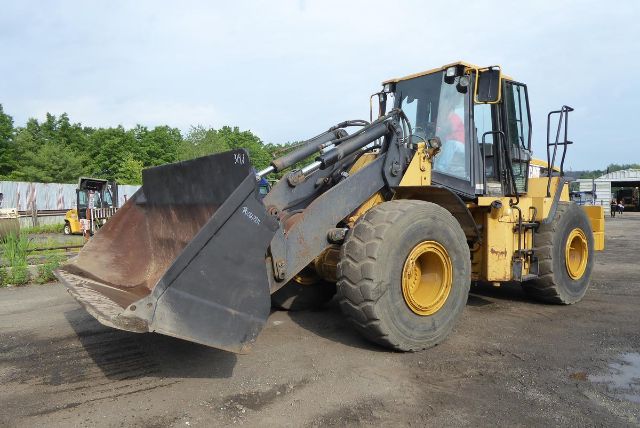
Have 2002 equipment to sell? List it here to reach thousands of buyers.
About 2002 Equipment Near Sparrow Bush, New York
For buyers comparing older equipment, the most important details are usually hours, power source, transmission type, tire setup, lift or payload capacity, and overall dimensions. On forklift-type equipment, common checkpoints include mast style, maximum lift height, side shift function, fork length, carriage condition, back tilt, hydraulic cylinder leakage, steer axle wear, and whether it runs on propane, diesel, or electric power. On general trucking equipment, buyers should also look closely at service records, cold-start behavior, brake condition, driveline noise, frame rust, hydraulic performance, and any signs of hard commercial use. In New York and the Northeast, corrosion is a real value factor, so underbody condition, battery box mounts, crossmembers, and steel lines deserve extra attention.
A 2002 model year often appeals to buyers who want simpler equipment with fewer sensors, less emissions-related downtime, and easier field repairs. That can be a real advantage if the unit will be used in a yard, on private property, around a loading dock, or in a secondary role where uptime and low acquisition cost matter more than appearance. The tradeoff is that older equipment may need catch-up maintenance, updated safety items, hoses, seals, tires, mast rollers, lights, or seat and control repairs before going straight to work. Buyers should also verify availability of OEM and aftermarket parts, especially for less common models or discontinued engine packages.
The best 2002 trucking equipment purchases are the ones matched tightly to the application. If the job is indoor material handling, overall height, turning radius, solid tires, and propane or electric configuration may matter more than raw power. If the equipment will support freight, flatbed, warehouse, municipal, or agricultural operations, then durability, ease of service, and operator familiarity usually carry more weight. A careful inspection, a review of wear points, and realistic budgeting for reconditioning will tell you more than model year alone. In this segment, condition and suitability decide value.
Frequently Asked Questions
Is 2002 trucking equipment still a good buy for commercial use?
Yes, 2002 trucking equipment can still be a practical buy if the unit matches the workload and has been maintained properly. Older equipment is often chosen for yard use, warehouse support, backup duty, farms, and small operations that need dependable function without the cost of a newer machine. The key is to evaluate condition instead of focusing only on age. Mechanical health, parts availability, structural integrity, and maintenance history matter more than model year on equipment in this range.
What should I inspect first on a 2002 piece of trucking equipment?
Start with the engine or power unit, transmission, hydraulics, tires, brakes, and any structural areas that carry load. Look for leaks, smoke, hard starting, slipping, unusual noises, and excessive play in steering or mast components. On forklifts and other material handling equipment, inspect lift chains, mast rollers, carriage wear, forks, tilt cylinders, and side shift operation if equipped. In northern climates, rust on frames, crossmembers, and steel hydraulic or brake lines can affect both safety and value.
Are parts still available for 2002 trucking equipment?
Parts availability depends on the make, model, engine package, and how common the machine was when new. Popular brands usually have stronger OEM and aftermarket support, while older niche models may require more sourcing time. Wear items such as filters, hoses, seals, brakes, chains, and tires are often still obtainable, but certain electronics, body panels, or proprietary hydraulic components may be harder to find. Buyers should confirm support before purchase if the equipment is expected to stay in regular service.
Does older trucking equipment have any advantages over newer models?
Older equipment often has simpler systems, less emissions-related complexity, and fewer electronic controls, which can make troubleshooting and repair easier. That simplicity is valuable for operators who perform in-house maintenance or need a machine for intermittent work without paying for newer technology they do not need. The downside is that age-related wear, outdated safety features, and deferred maintenance can offset the initial savings if the machine has been neglected.
How do I know if a 2002 unit is priced fairly?
Fair pricing comes from comparing condition, hours, specifications, attachments, and required repairs against similar equipment in the market. A lower-priced unit may still be more expensive in the long run if it needs tires, mast work, hydraulic repairs, or driveline service right away. Buyers should factor in transport, reconditioning, missing attachments, and expected downtime. On older equipment, a clean inspection and strong mechanical performance usually justify more than cosmetics alone.