
Transcraft Drop Deck Trailers For Sale
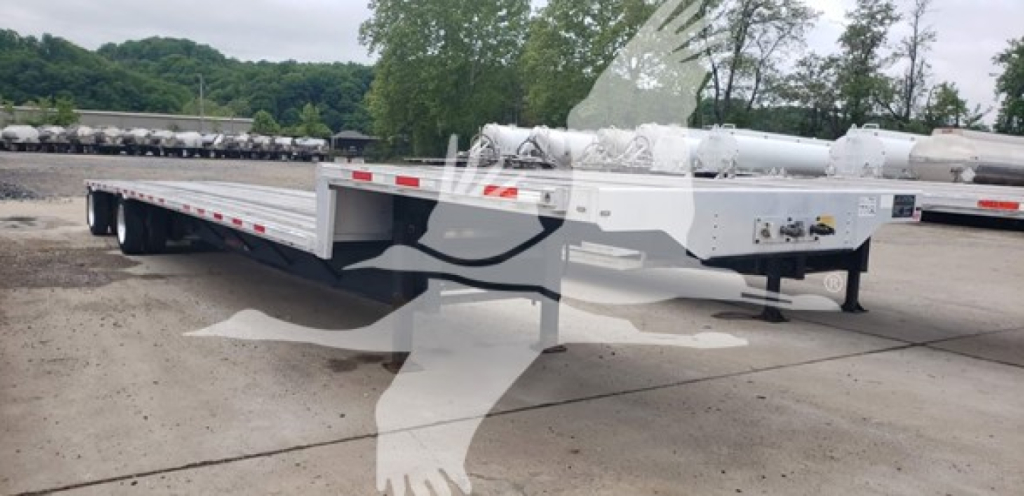
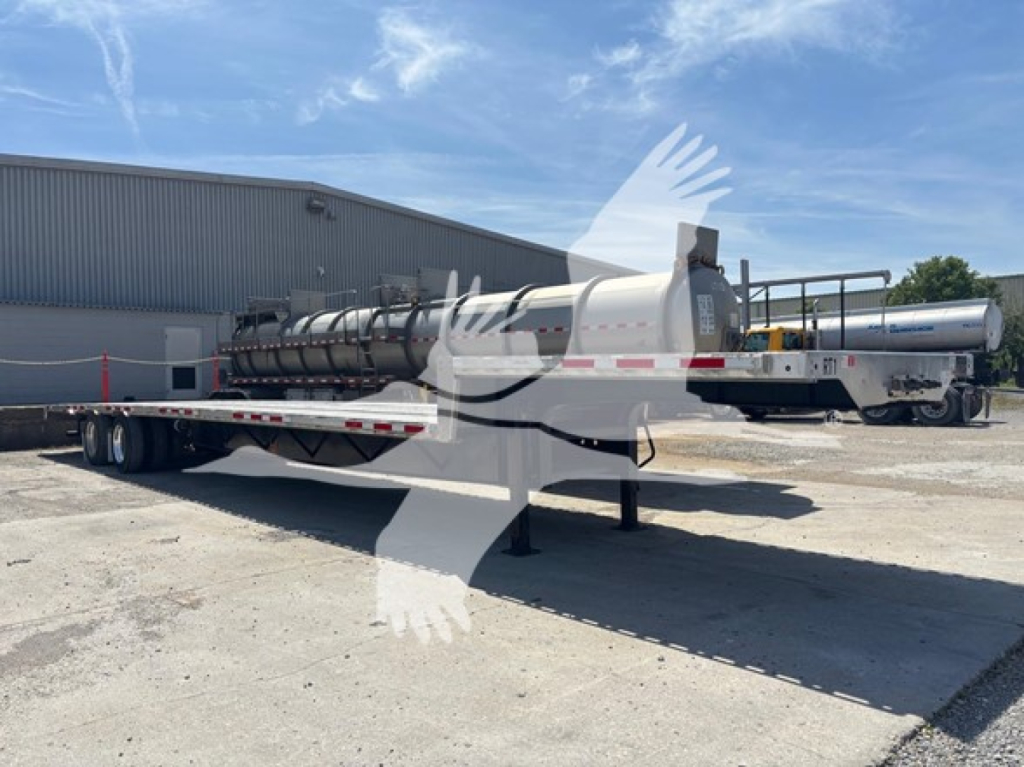
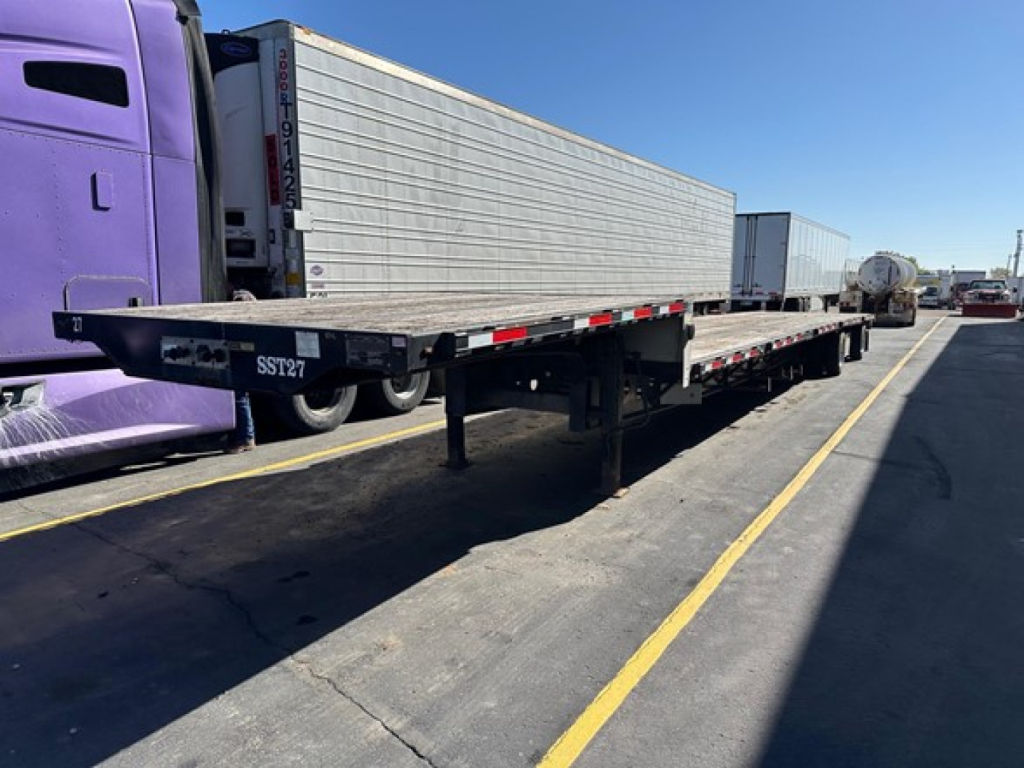
Browse Transcraft drop deck trailers built for taller freight, with common 48-53 ft lengths, air ride suspensions, and steel or combo construction.
Learn more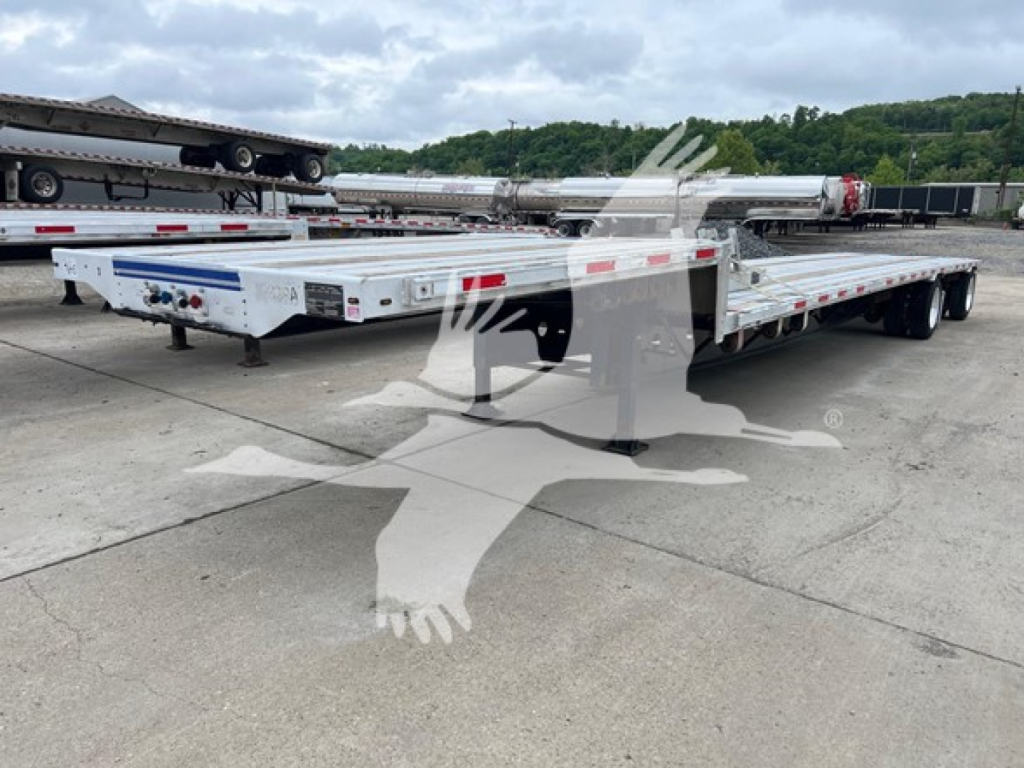
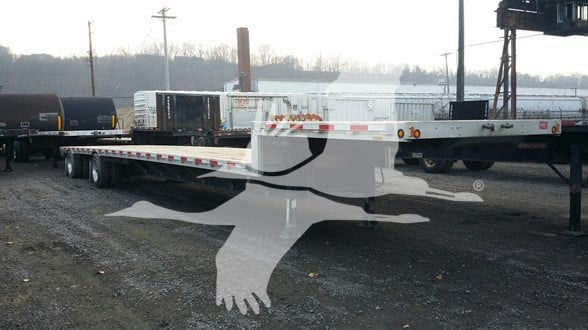
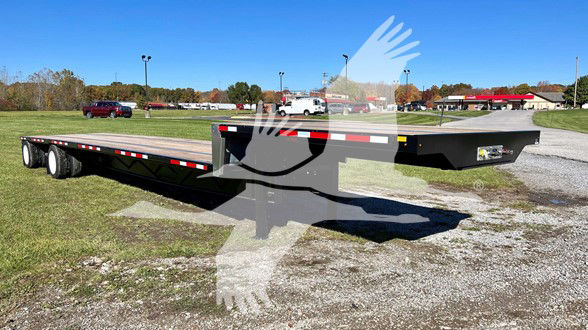
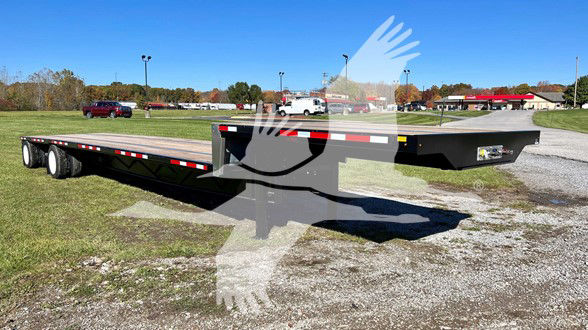
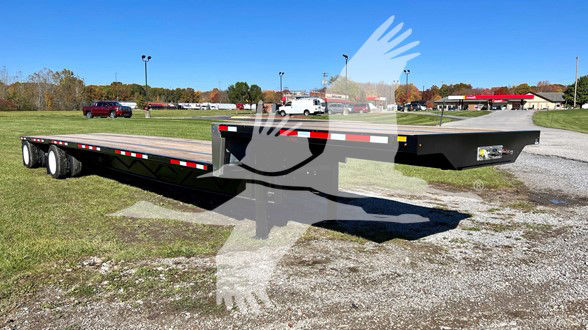
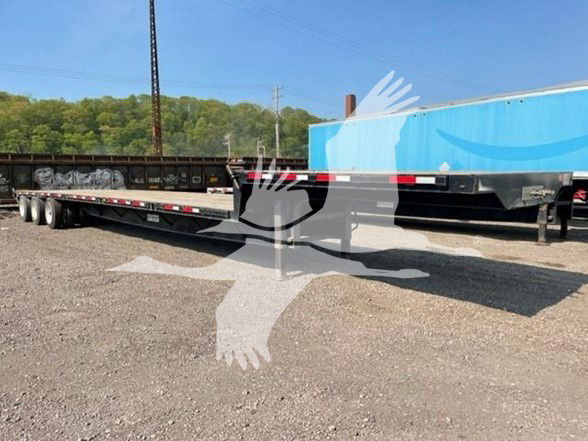
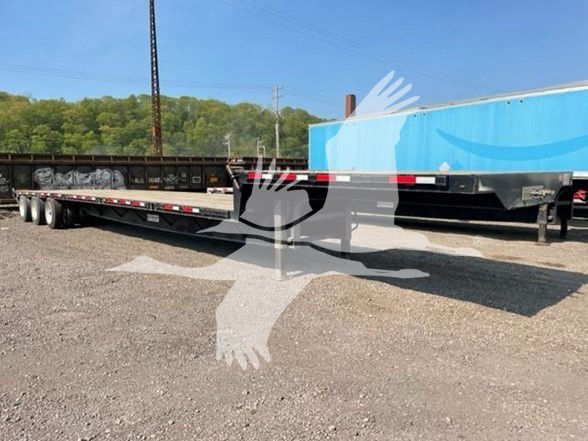
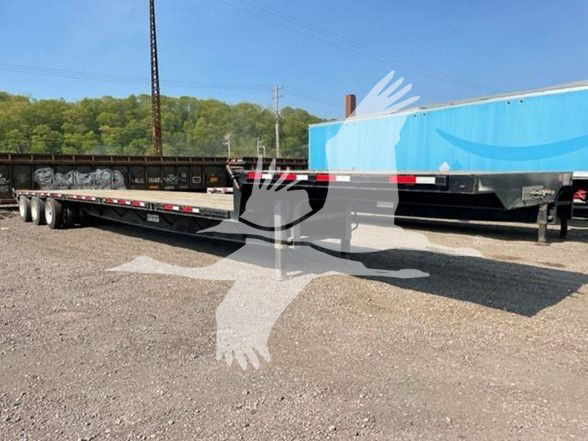
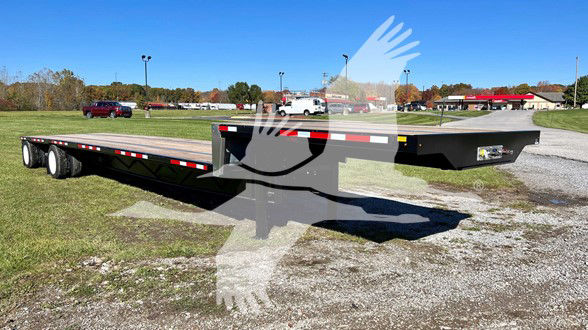
Showing 1 to 12 of 23 results
Have transcraft drop deck trailer to sell? List it here to reach thousands of buyers.
About Transcraft Drop Deck Trailers
A big buying decision in this category is construction. Transcraft step decks are often found in all-steel and combination aluminum-steel builds. Steel trailers usually appeal to buyers who prioritize durability, repair familiarity, and concentrated load capability, especially in harder vocational service. Combination trailers help reduce tare weight and improve payload, which matters for carriers running longer lanes and trying to maximize legal cargo. Flooring is another important detail. Apitong wood floors remain common for securement flexibility and forklift traffic, while aluminum floors with wood nailing strips can cut weight without giving up tie-down convenience.
Pay close attention to axle layout, suspension setting, and deck hardware. Tandem axle units with air ride suspension are common, and spread axle or sliding rear axle configurations can affect bridge compliance, turning characteristics, and state-by-state legality. California-legal sliding rear axle setups are especially relevant for multi-state operations. Buyers should also compare kingpin setting, crossmember spacing, deck height, and the presence of an axle dump valve or lift axle on tri-axle versions. A tighter crossmember pattern and a coil package with stub crossmembers can matter if the trailer will regularly haul steel coils or other dense freight. Winch tracks, sliding winches, pipe spools, D-rings, side rail design, and bulkhead configuration all influence how efficiently the trailer can be loaded and secured.
For used Transcraft drop deck trailers, condition comes down to the same structural points experienced flatbed buyers always inspect. Check the main beam area, neck transition, crossmembers, floor condition, side rails, winch track wear, suspension components, axle alignment, and landing gear. On air ride models, suspension brand and parts support matter because downtime often shows up first in bags, shocks, and wear items. Tire size, wheel material, and brake life affect immediate operating cost, while mud flap bracket placement, light package, and additional wiring can tell you how well the trailer fits your operation. A well-matched Transcraft drop deck should balance deck length, tare weight, securement options, and axle configuration with the freight you actually move every week.
Frequently Asked Questions
What is the difference between a Transcraft drop deck trailer and a standard flatbed trailer?
A Transcraft drop deck trailer has two deck levels, with a raised upper deck over the tractor frame and a lower main deck behind it. That lower deck gives you more legal loading height than a standard flatbed, which is why step decks are commonly used for taller freight such as equipment, crated machinery, and certain building materials. A standard flatbed is often simpler for straight deck loading, but a drop deck is the better fit when load height is the limiting factor.
Are Transcraft drop deck trailers better in steel or aluminum-combo construction?
That depends on freight type and operating priorities. Steel Transcraft drop decks are generally favored for rugged service, concentrated loads, and easier repair in many trailer shops. Aluminum-combo trailers reduce empty weight and can improve payload capacity, which is valuable in regional and over-the-road operations where every pound counts. Buyers should match the build material to the cargo mix, lane profile, and expected maintenance environment rather than assuming one style is always better.
What axle setup should I look for on a Transcraft step deck trailer?
Tandem axle air ride configurations are common and work well for a broad range of freight. Spread axle and sliding rear axle setups can improve weight distribution and help with state compliance, but they also affect maneuverability and tire scrub. If you operate in California or across multiple bridge-law-sensitive states, a sliding rear axle configuration may be especially important. Tri-axle step decks are less common for general freight but can make sense for heavier applications, especially when equipped with a lift axle and dump valve.
Why do coil packages matter on a drop deck trailer?
A coil package is important if the trailer will haul steel coils or other dense, concentrated loads. These packages usually include added support such as stub crossmembers and load-specific deck reinforcement to better handle the stress created by heavy freight in a small footprint. If your freight is mostly machinery, palletized cargo, or lighter construction material, a coil package may not be essential. If coils are even a regular part of the business, it is a feature worth prioritizing.
What should I inspect first on a used Transcraft drop deck trailer?
Start with structure and running gear. Inspect the frame rails, neck area, crossmembers, floor, side rails, suspension, axle alignment, brakes, and tire condition. Then review the securement equipment such as winch tracks, sliding winches, pipe spools, D-rings, and nailing strips because those details directly affect daily usability. Also confirm deck dimensions, kingpin setting, and axle spread against the freight and states you run, since the wrong configuration can create operational limits even if the trailer is otherwise in solid condition.