
Warren Walking Floor Trailers For Sale in Florida
Shop Warren walking floor trailers for bulk material hauling. Compare aluminum specs, floor systems, capacities, axle setups, and condition.
Learn more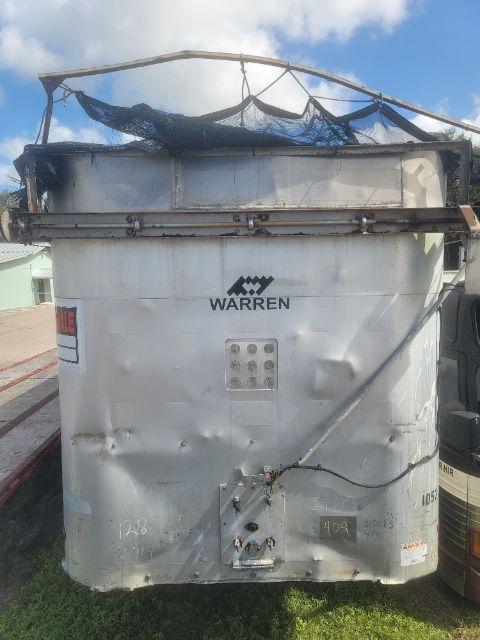
Have warren walking floor trailer to sell? List it here to reach thousands of buyers.
About Warren Walking Floor Trailers in Florida
The first spec to evaluate is body construction and floor design. Many Warren units in this category are set up with aluminum bodies to keep tare weight down and maximize legal payload, while still offering the structural strength needed for demanding bulk work. Trailer length, width, side height, and overall cubic capacity should match the material you haul most often. Dense loads such as aggregate, wet compost, or demolition fines put different stress on the floor and crossmember structure than light, high-cube loads like mulch or biomass. Buyers should also look closely at crossmember spacing, floor slat condition, drive unit performance, rear door style, and whether the trailer has the right liner setup for abrasive or sticky material.
Running gear and support equipment matter just as much as the box. Tandem axle configurations are common, and tire size, wheel type, suspension, brake condition, and fifth wheel plate area all affect long-term operating cost. On a used Warren walking floor trailer, pay attention to floor timing, hydraulic motor response, gearbox condition, seals, hoses, and signs of uneven slat wear. Check for cracks around the suspension hangers, kingpin area, rear frame, and door frame, especially on trailers that have spent time in waste, scrap, or transfer applications. In Florida service, corrosion exposure can come from coastal air, wet loads, and frequent washdowns, so buyers should inspect wiring, air lines, and structural components with that environment in mind.
A good Warren walking floor trailer is usually chosen for versatility more than specialization. It can haul loose bulk one day and a more controlled discharge load the next, with less site restriction than a dump trailer. Buyers comparing listings should think beyond year and price and focus on floor system health, body integrity, payload potential, hydraulic requirements, and how the trailer was previously used. A trailer that spent its life on clean agricultural material can present very differently from one that handled scrap, C&D debris, or municipal solid waste, even if the basic specs look similar on paper.
Frequently Asked Questions
What is a Warren walking floor trailer used for?
A Warren walking floor trailer is used to haul bulk materials that need controlled unloading without raising the trailer body. Common applications include mulch, compost, sawdust, wood chips, recyclables, agricultural products, waste, scrap, and other loose commodities. The live-floor system makes it a strong choice for sites with overhead restrictions, soft ground, uneven surfaces, or indoor unloading requirements where a dump trailer may be less practical.
What should I inspect first on a used walking floor trailer?
Start with the floor system, because it is the most important and expensive part of the trailer to repair. Check slat condition, floor timing, hydraulic motor operation, drive unit response, gearbox condition, and signs of binding or uneven wear. After that, inspect the body structure, crossmembers, rear door frame, kingpin area, suspension mounts, brakes, tires, and air and electrical systems. Previous application matters, because trailers used in waste or scrap service often show different wear patterns than trailers used in agricultural or lighter bulk service.
Are aluminum Warren walking floor trailers better than steel for payload?
Aluminum bodies typically offer lower empty weight, which can improve legal payload and fuel efficiency. That makes aluminum attractive for mulch, biomass, recyclables, and other operations where cubic capacity and weight savings matter. Steel may be preferred in some severe-duty applications if impact resistance or abrasion tolerance is the main concern. The better choice depends on the material hauled, expected load density, unloading environment, and how important tare weight is to the business.
How is a walking floor trailer different from a dump trailer?
A walking floor trailer unloads by moving material out with hydraulic floor slats, while a dump trailer unloads by raising the body. A walking floor trailer can discharge in places where overhead clearance is limited and generally offers better stability during unloading on uneven ground. A dump trailer may have advantages in certain heavy material applications, but a live-floor trailer is often preferred for operations that need safer, more controlled unloading and the ability to handle a wider mix of site conditions.
What Florida buyers should consider when shopping for a walking floor trailer?
Florida buyers should pay close attention to corrosion, hydraulic condition, and trailer suitability for high-moisture bulk loads. Coastal exposure, frequent rain, wet organic material, and washdown routines can accelerate wear on wiring, air lines, fittings, door hardware, and structural components. It is also important to match the trailer's cubic capacity and floor strength to the materials commonly moved in the region, such as mulch, compost, yard waste, recyclables, and agricultural products.