
Wabash Van Trailers For Sale in North Carolina

Have wabash van trailer to sell? List it here to reach thousands of buyers.
Wabash Van Trailers in North Carolina
A buyer should pay close attention to interior configuration before comparing price alone. Common specs include wood floors, scuff liners or scuff plates, threshold plates, logistics posts, and translucent roofs for better loading visibility. Door style matters by lane and dock environment. Swing doors are simple and durable, while roll-up doors can be a better fit for frequent dock work where rear-door clearance is limited. Inside rear height is another useful number, especially for high-cube freight, palletized consumer goods, and loaders that want more stacking flexibility.
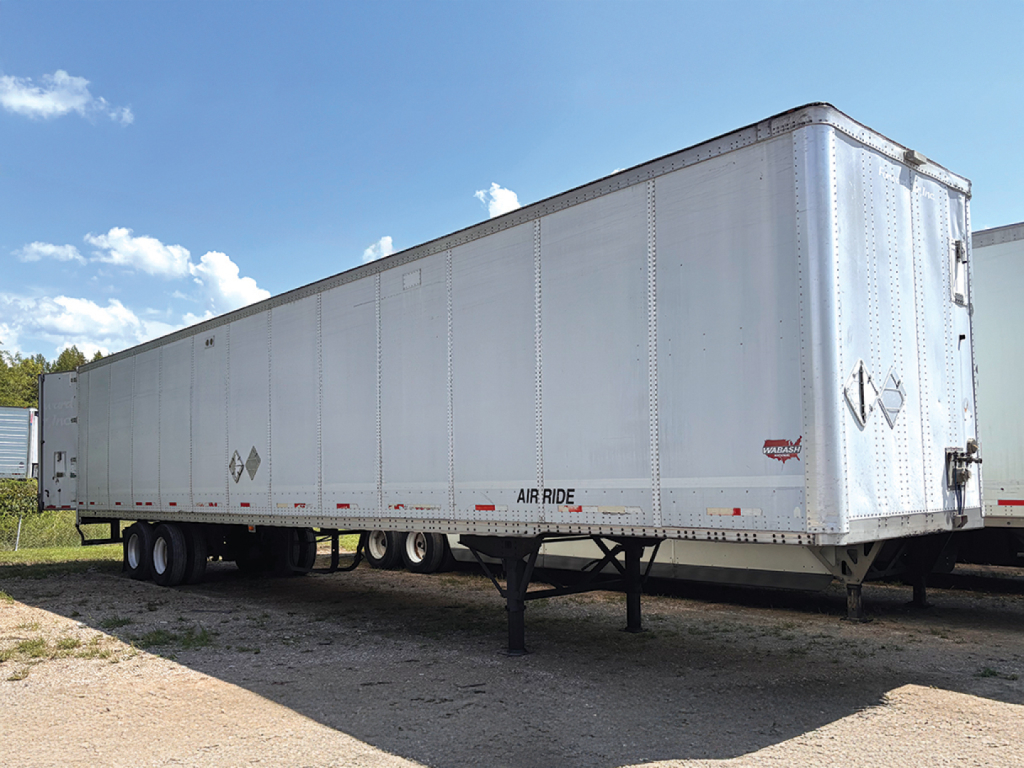
Suspension and running gear affect both maintenance cost and load protection. Wabash van trailers are commonly equipped with either spring suspension or air ride, and the right choice depends on cargo sensitivity, lane quality, and operating budget. Sliding tandems remain important for bridge law compliance, dock positioning, and axle scaling across multi-state routes. Buyers also tend to compare wheel material, tire size, and whether the trailer has aerodynamic equipment like side skirts, especially if fuel economy and fleet standardization are priorities.
Used Wabash dry vans can also be a smart fit for dedicated applications such as food-grade dry freight, parcel work, warehouse shuttles, and drop-and-hook operations. Condition of the floor, rear frame, crossmembers, roof, and side panels should be reviewed carefully, along with signs of forklift damage near the threshold and lower interior walls. If the trailer will run heavy cycles in North Carolina and surrounding Southeast lanes, it is worth confirming door seal condition, tandem slide operation, current inspection status, and how well the trailer's kingpin setting and axle spread match the fleet's tractors and freight profile.
Frequently Asked Questions about Wabash Van Trailers in North Carolina
What makes a Wabash DuraPlate van trailer different from a conventional dry van?
Wabash DuraPlate trailers use a laminated composite sidewall design that is widely recognized for durability, reduced wall damage compared with some traditional sheet-and-post designs, and favorable tare weight. For many fleets, that means a strong general freight trailer with good resale appeal and broad acceptance in dry van service.
What specs matter most when buying a used Wabash van trailer?
The most important specs are trailer length, inside height, door type, suspension, tandem configuration, and floor condition. Buyers should also inspect scuff liners, threshold plate, roof condition, rear frame, crossmembers, and sidewall integrity. A trailer can look clean outside but still have expensive wear in the floor, rear door frame, or tandem slide area.
Are Wabash van trailers good for food-grade or retail freight?
Yes, many Wabash van trailers are used in food-grade dry service and retail distribution, especially units equipped with clean interiors, logistics posts, straight walls, and well-maintained floors. Food-grade service still depends on prior use, interior cleanliness, odor control, and the absence of contamination or significant wall and floor damage.
Is air ride better than spring suspension on a Wabash dry van?
Air ride is generally preferred for more fragile freight, smoother cargo handling, and some premium lanes, while spring suspension can be simpler and less expensive to maintain. The better choice depends on the freight mix, lane conditions, and maintenance strategy. For general dry freight, either setup can work well if the trailer has been maintained properly.
Why is a sliding tandem important on a 53-foot Wabash van trailer?
A sliding tandem helps with bridge law compliance, axle weight distribution, and dock positioning. It gives the driver flexibility to balance payload and stay legal across different states and customer facilities. On a used trailer, the tandem slide should be checked for rail wear, locking pin operation, and signs of neglect or corrosion.