
Wabash Van Trailers For Sale in Colorado
Browse Wabash van trailers for sale, including Duraplate dry vans with common specs, hauling applications, and features buyers compare.
Learn more
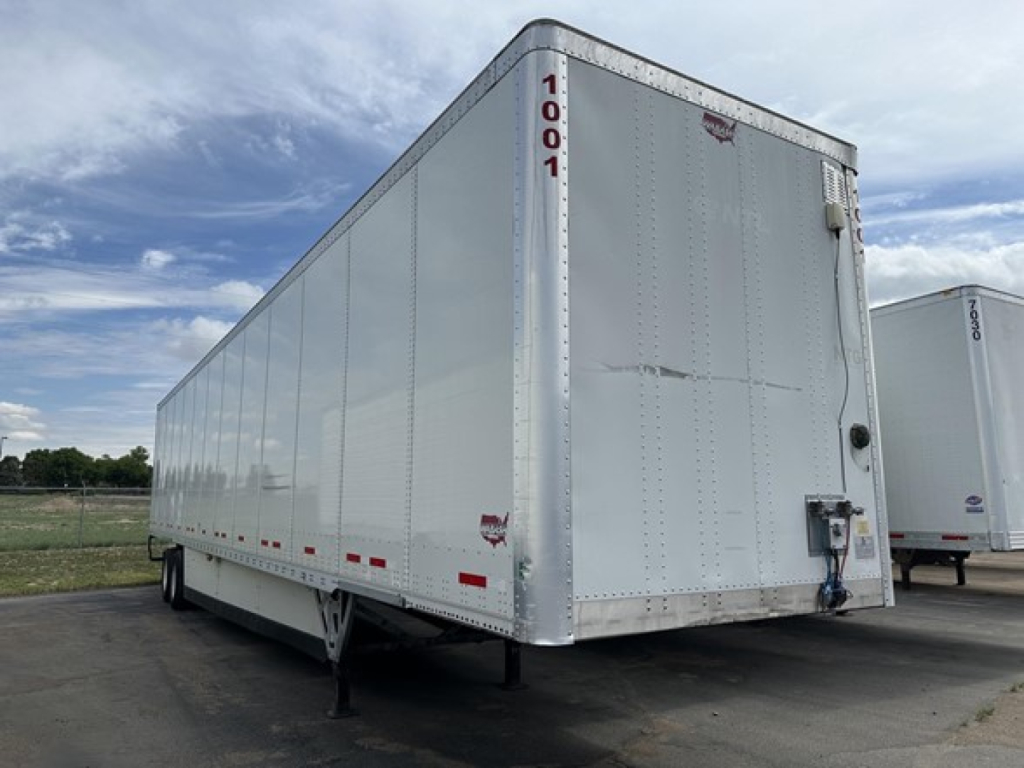
Have wabash van trailer to sell? List it here to reach thousands of buyers.
About Wabash Van Trailers in Colorado
A typical Wabash van trailer in this category will be a 53-foot by 102-inch dry van with tandem axles, swing doors, and a wood floor. Common features include air ride suspension, slider tandems, scuff protection such as wearbands or plate walls, logistics posts for load securement, and aluminum roof construction to help manage weight. Buyers should pay close attention to floor condition, rear frame integrity, door hardware, roof bows, crossmember spacing, and signs of sidewall damage or patching. In Colorado, trailer spec can matter even more because elevation changes, winter conditions, and mixed interstate and regional service put extra importance on tire condition, brake health, suspension performance, and overall structural tightness.
Wabash Duraplate vans are often chosen for fleets that want a durable dry freight trailer with broad shipper acceptance and straightforward maintenance. A closed tandem setup may suit fleets that run in consistent legal bridge environments, while an air pin slider adds flexibility for weight distribution and dock positioning. Tire inflation systems, low-profile 22.5 tires, threshold plates, and interior wall lining can also affect operating cost and cargo protection. If the freight mix includes palletized consumer goods, paper products, beverages, or light industrial freight, interior dimensions, floor rating, and the condition of the logistic track system deserve close review.
For buyers comparing Wabash van trailers against other dry vans, the practical questions are service history, structural condition, tare weight, and how the trailer was previously used. A van that spent its life in clean dock-to-dock freight service will present differently than one used in heavy forklift traffic or abrasive freight. Look for even tire wear, smooth door operation, dry roof seams, solid floor fasteners, and suspension components with no visible neglect. A well-spec'd Wabash van trailer can be a dependable choice for long-haul, regional, or dedicated contract freight where cargo protection, cube, and uptime matter more than specialized body equipment.
Frequently Asked Questions
What is a Wabash van trailer commonly used for?
A Wabash van trailer is commonly used for dry freight that needs full weather protection and secure enclosed transport. Typical applications include retail freight, palletized consumer goods, paper products, boxed food products, and general manufacturing freight. Most units in this class are standard dry vans rather than temperature-controlled trailers, so they are best suited for cargo that does not require refrigeration.
What should I inspect first on a used Wabash Duraplate dry van?
Start with the floor, rear frame, doors, roof, and suspension. The floor tells you a lot about forklift traffic and overall wear, especially near the nose, threshold, and common pallet loading zones. Then inspect the rear door frame for impact damage, check that the swing doors seal and latch correctly, and look for roof leaks or patched areas. Suspension condition, slider operation, brake components, tire wear, and sidewall integrity are also critical because they directly affect operating cost and time in service.
Why do many buyers prefer Wabash Duraplate construction?
Many buyers prefer Wabash Duraplate construction because it is known for a strong sidewall design and good durability in high-cycle freight service. The laminated panel construction has long been popular in fleet use where trailers see repeated dock loading, urban delivery exposure, and consistent highway miles. That reputation makes Wabash dry vans familiar to maintenance teams, accepted by a wide range of shippers, and easier to evaluate against established fleet standards.
Are slider tandems important on a Wabash van trailer?
Slider tandems are important if your operation needs flexibility for axle weight distribution, bridge law compliance, or varying dock setups. A trailer with an air pin slider can be quicker and easier to adjust than a fixed or closed tandem setup, especially in multi-state operations. If your routes, freight weights, and customer locations are consistent, a closed tandem may still work well, but many buyers value the versatility of a sliding tandem arrangement.
What specs matter most when comparing Wabash van trailers in Colorado?
In Colorado, buyers should focus on brake condition, tire quality, suspension performance, and overall structural soundness because mountain grades and seasonal weather can expose weak components quickly. Air ride suspension can improve freight protection and ride quality, while tire inflation systems may help reduce roadside issues. It is also important to confirm the trailer's axle setup, tire profile, floor condition, and cargo control features so the trailer matches both interstate hauling and local delivery demands.