
Wabash Van Trailers For Sale in California
Shop Wabash van trailers for sale in California. Compare 53-foot dry vans, specs, floor types, tandem setups, and freight-ready features.
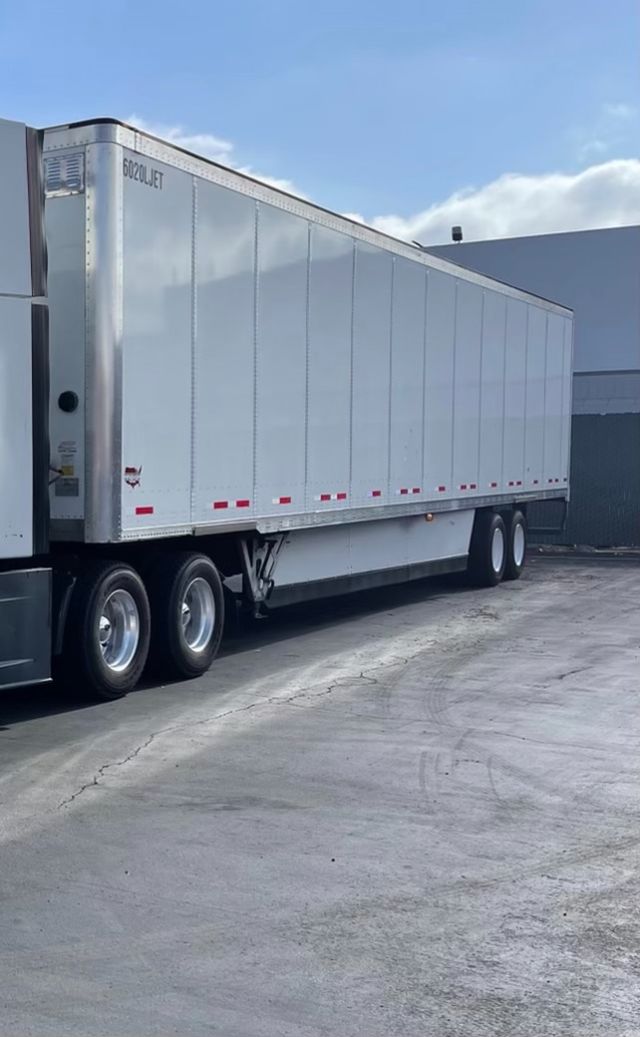
Have wabash van trailer to sell? List it here to reach thousands of buyers.
Wabash Van Trailers in California
The details that matter most are usually floor condition, sidewall condition, roof integrity, and tandem configuration. A wood floor is still common and works well for general palletized freight, but buyers should check for soft spots, excessive patching, and forklift damage. Interior logistics features such as E-track, scuff liners, logistic posts, and duct floors can make a major difference depending on the freight mix. Sliding tandem setups are especially relevant in California because bridge law and axle placement can affect how easily the trailer can be loaded and scaled legally. Door type also matters more than many buyers expect. Swing doors are simple and lighter, while roll-up doors can help in tight dock environments but add weight and complexity.
Wabash dry vans are commonly used in retail distribution, packaged goods, food products that do not require refrigeration, paper freight, and general contract freight. Buyers comparing units should pay attention to suspension type, tire condition, brake life, wheel-end service history, and the condition of ICC bumper, crossmembers, and landing gear. Trailer age alone does not tell the full story. A well-maintained van with straight rails, a dry roof, and a sound floor can be a better value than a newer trailer with heavy dock impact, corrosion, or neglected running gear. California operations should also consider registration, compliance, and the practical realities of heavier traffic, urban loading zones, and frequent stop-and-drop cycles.
For many fleets and owner-operators, the appeal of a Wabash van trailer is straightforward: predictable dry freight capability, easy compatibility with standard dock operations, and a resale market that remains active because dry vans are always in demand. The best buying decision usually comes down to matching the trailer’s door setup, floor system, tandem adjustment, and interior securement features to the freight you actually haul. A van trailer that looks clean but lacks the right spec can cost more in daily use than one with a few cosmetic miles but the correct working configuration.
Frequently Asked Questions about Wabash Van Trailers in California
What should I inspect first on a used Wabash van trailer?
Start with the floor, roof, sidewalls, and understructure. Floor damage from forklift traffic is one of the most expensive wear items on a dry van, and roof leaks can quickly turn into cargo claims. Then inspect crossmembers, landing gear mounts, rear frame, door frame alignment, suspension components, brakes, tires, and wheel ends. Cosmetic condition matters less than structural soundness and evidence of regular maintenance.
Why is a sliding tandem important on a 53-foot Wabash van trailer in California?
A sliding tandem gives the driver more flexibility for axle weight distribution and bridge law compliance. In California, where port work, warehouse freight, and highway scaling can all be part of the same operation, tandem position can directly affect how practical the trailer is to load legally. It also helps when different shippers load freight with varying pallet counts and weight concentration.
Are Wabash van trailers good for general freight?
Yes. Wabash dry vans are widely used for palletized dry freight, retail goods, packaged products, paper loads, and many other non-temperature-controlled commodities. They are popular because they are versatile, familiar to drivers and shops, and generally easy to keep in service with standard van trailer parts and repair support.
What interior features add the most value on a dry van trailer?
That depends on the freight, but E-track, scuff liners, logistic posts, a sound wood floor, and a clean, dry interior are usually high-value features. These items improve cargo securement, protect the trailer from damage, and make the trailer more adaptable across different accounts. For dock-heavy operations, door condition and seal integrity are also important value points.