
Utility Van Trailers For Sale in Illinois
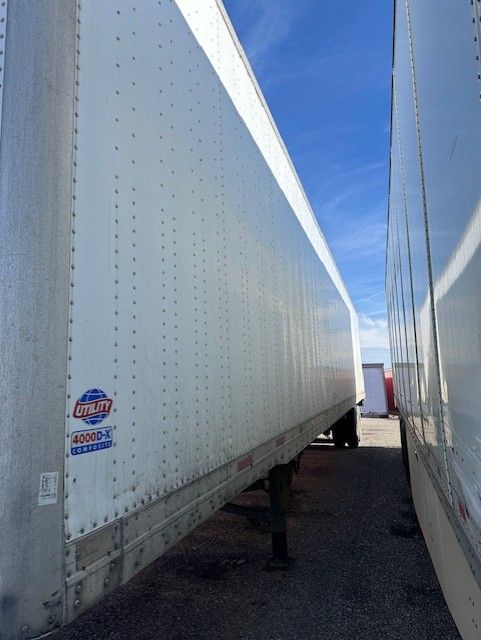
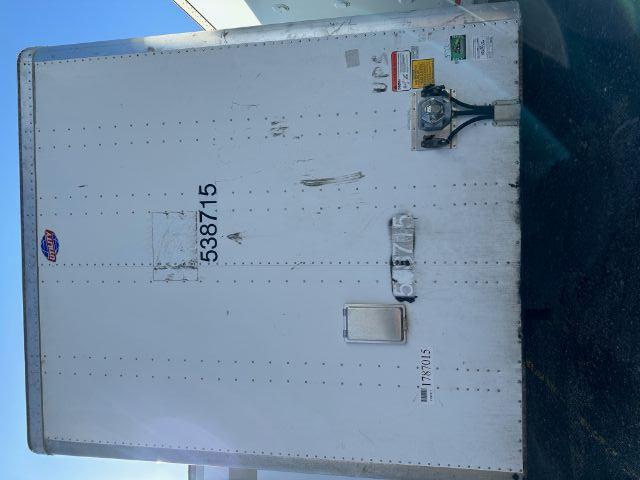
Shop Utility van trailers for sale in Illinois. Compare 4000D-X and 4000DX specs, air ride options, doors, floors, and tandem setups.
Learn more
Have utility van trailer to sell? List it here to reach thousands of buyers.
About Utility Van Trailers in Illinois
The biggest spec decisions usually come down to suspension, rear door style, and cargo control. Air ride is preferred for higher-value freight and smoother handling, while spring ride can still make sense for lower-cost applications and simpler maintenance. Swing doors are standard for full dock loading and maximum rear opening, but roll-up doors are useful in city delivery or multi-stop operations where drivers need quick access and reduced door swing space. Inside the box, many buyers look for plywood lining, scuff liners or scuff plate, wood floors, threshold plates, and E-track because those details directly affect freight securement and long-term wall and floor wear.
Sliding tandems matter in Illinois because bridge law compliance, axle spread, and load distribution can all affect how practical a van trailer is in daily service. Tire size, wheel material, and brake type also deserve a close look. Low-profile 22.5 tires are common on used Utility vans, and aluminum wheels can trim weight while improving appearance. Roof condition, front and rear vents, crossmember integrity, floor thickness, and signs of previous forklift damage are all high-value inspection points on a used dry van. On older trailers, buyers should also check door frame alignment, upper coupler wear, slider operation, and any repairs around the nose, rear sill, or landing gear mounts.
A Utility van trailer is also known simply as a dry van trailer or enclosed freight trailer, and it fits a wide range of general commodity hauling where weather protection and cargo security matter more than open-deck access. For fleets running food-grade packaged products, consumer goods, paper, palletized freight, or retail replenishment, the right trailer spec usually comes down to freight type, dock environment, and maintenance priorities. A lighter trailer may improve payload, but interior condition, suspension health, and structural soundness usually matter more than model year alone when comparing used vans side by side.
Frequently Asked Questions
What are the most common Utility van trailer sizes and configurations?
The most common Utility van trailers on the used market are 48-foot and 53-foot dry vans with a 102-inch overall width. Buyers will typically see swing doors or roll-up doors, air ride or spring ride suspension, sliding tandem axles, wood floors, and aluminum or steel wheel packages. Utility 4000D-X and 4000DX models are especially common, and many are spec'd for general dry freight with plywood lining, scuff protection, and E-track.
Is air ride better than spring ride on a Utility dry van trailer?
Air ride is generally preferred for dry van work because it provides a smoother ride for palletized and higher-value freight, helps reduce cargo shift, and is widely accepted in fleet applications. Spring ride can still be a practical choice for budget-conscious buyers or simpler operations, but it usually delivers a harsher ride and may be less desirable for sensitive freight. The best choice depends on freight type, maintenance history, and how the trailer will be used in regional versus local service.
Should I choose swing doors or a roll-up door on a Utility van trailer?
Swing doors are the standard choice for most dock operations because they provide a full rear opening and fewer moving parts inside the door track area. Roll-up doors are useful for city and multi-stop work where space behind the trailer is limited and drivers need frequent access. The tradeoff is that roll-up doors can reduce a small amount of interior clearance near the roof and may involve more hardware wear over time. Buyers should match the door style to loading conditions, stop frequency, and freight dimensions.
What should I inspect on a used Utility van trailer before buying?
The high-priority inspection points are the floor, roof, sidewalls, rear frame, suspension, and tandem slider. Check the wood floor for rot, patches, forklift damage, and fastener pull-through. Inspect the roof for leaks or panel damage, and look closely at scuff liners, wall posts, and the front nose for impact repairs. Confirm that the tandem slider moves and locks correctly, inspect the upper coupler area for wear, and review tires, brakes, wheel ends, and door seals. A clean-looking trailer can still have expensive structural or floor issues, so condition matters more than appearance alone.
Why do sliding tandems matter on a dry van trailer in Illinois?
Sliding tandems are important because they help adjust axle position for bridge law compliance, load distribution, and dock maneuverability. In Illinois and across the Midwest, trailer axle placement can affect legal weight distribution on state routes and interstate lanes. A slider that operates properly gives the driver more flexibility to balance payload and meet shipper or route requirements. Buyers should verify rail condition, pin engagement, and signs of corrosion or damage around the slider assembly.