
Utility Van Trailers For Sale in North Carolina
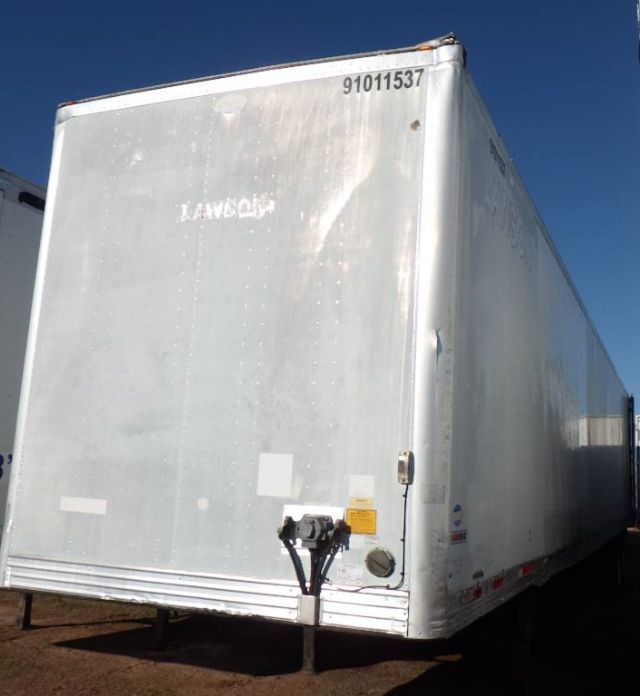
Shop Utility van trailers for sale in North Carolina. Compare 53-foot dry van specs, floors, logistics posts, tandems, and air ride setups.
Learn more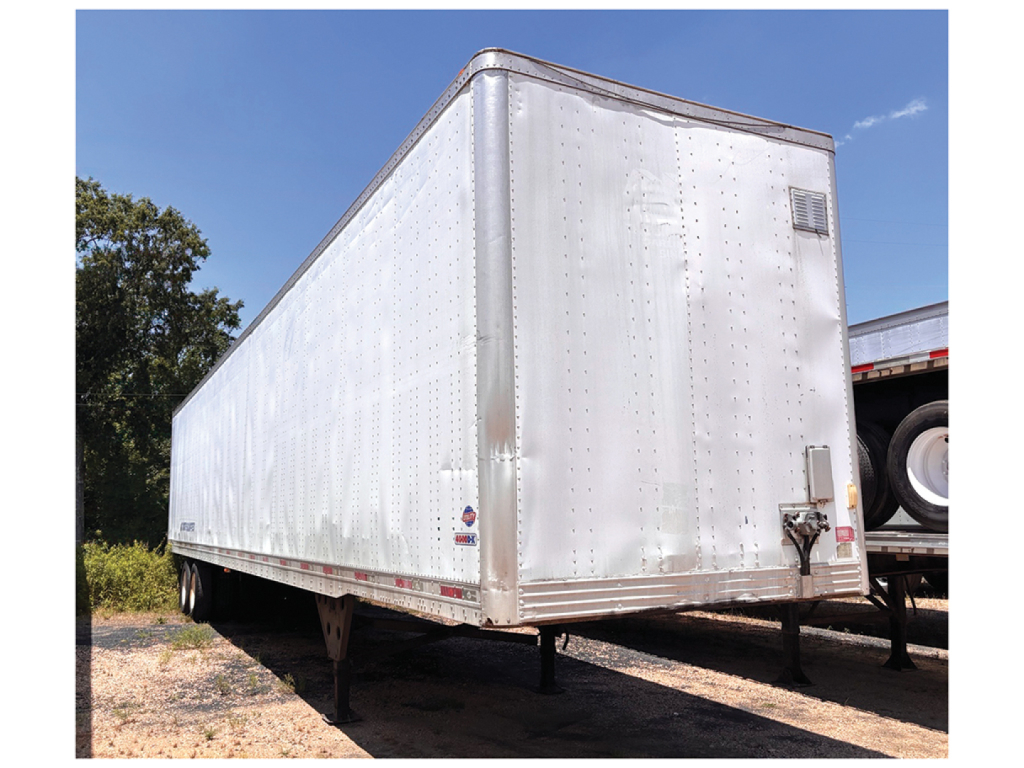

Have utility van trailer to sell? List it here to reach thousands of buyers.
About Utility Van Trailers in North Carolina
The biggest spec decisions usually come down to interior configuration and running gear. A buyer should pay close attention to wall lining, scuff protection, flooring condition, and logistics track or logistics posts, since those items directly affect how well the trailer handles mixed freight and repeated forklift loading. Wood floors remain common because they are proven, repairable, and forklift friendly. Aluminum lining and scuff plates help protect the lower wall area from pallet impact, while threshold plates reduce wear at the rear entry. Swing doors are still the standard on many Utility vans because they are simple, durable, and familiar in dock operations, though door frame condition and seal integrity matter on any used dry van.
Underneath, air ride suspension and sliding tandems are key features for many fleets. Air ride helps reduce cargo shock and can be a better match for higher-value freight or lanes with rough pavement. Sliding tandems give more flexibility for bridge law compliance, axle weight distribution, and dock positioning. Buyers should also look at tire size, wheel type, brake spec, and whether the trailer is equipped with a tire inflation system. Low-profile 22.5 tires are common on van trailers, and automatic inflation systems can reduce roadside failures and uneven wear. If aerodynamic equipment like side skirts is present, it may offer a fuel economy benefit in highway service, but buyers should inspect mounting points and panel condition carefully.
For a used Utility van trailer, structural condition matters more than cosmetic appearance. Check the roof bows, front wall, rear frame, crossmembers, floor fastener integrity, and signs of water intrusion. Composite-side variants can offer smooth sidewall appearance and good freight protection, but buyers should inspect for delamination, patch repairs, and prior impact damage. Trailer age matters, but maintenance history, brake life, tire condition, suspension wear, and overall straightness usually tell you more about remaining service life than model year alone. A well-kept Utility dry van can fit private fleet, for-hire, and warehouse shuttle work with minimal adaptation, which is why this category stays in steady demand.
Frequently Asked Questions
What are the most common specs on a Utility van trailer?
The most common Utility van trailer configuration is a 53-foot dry van with a 102-inch width and 13-foot 6-inch overall height. Many are built with aluminum construction, wood flooring, swing doors, air ride suspension, and a sliding tandem. Interior freight-management features such as logistics posts, scuff liners, and threshold plates are also common because they support palletized freight and repeated dock loading.
What should I inspect first on a used Utility 4000D-X trailer?
Start with the floor, rear frame, suspension, brakes, tires, and signs of structural damage. The floor condition tells you a lot about forklift use and overall treatment, while the rear frame and door area often show the wear from dock contact and repeated loading cycles. It is also important to inspect crossmembers, roof condition, wall lining, tandem slider operation, and any tire inflation system components to see whether the trailer has been maintained consistently.
Are Utility composite van trailers different from standard aluminum dry vans?
Yes. Composite-side Utility vans use laminated wall construction rather than a more traditional sheet-and-post aluminum body design. They can provide a clean interior and exterior appearance and are widely used in dry freight service, but buyers should inspect carefully for delamination, repaired punctures, and hidden sidewall damage. The right choice depends on freight type, repair preferences, and how important tare weight, sidewall durability, and long-term body maintenance are to your operation.
Why do air ride suspension and sliding tandems matter on a dry van trailer?
Air ride suspension helps reduce vibration and cargo shock, which can be important for fragile, higher-value, or claims-sensitive freight. A sliding tandem gives the operator flexibility to adjust axle position for legal bridge compliance, proper axle loading, and customer dock requirements. Together, those features improve the trailer’s versatility across regional, dedicated, and long-haul applications.
Are Utility van trailers a good fit for North Carolina freight lanes?
Yes. Utility dry vans are a strong match for North Carolina freight because the state supports a mix of retail distribution, manufacturing, food products, import-export freight, and warehouse shuttle work. A 53-foot van with logistics posts, sound flooring, and roadworthy running gear works well on major corridors connected to Charlotte, Greensboro, Raleigh, and the port system, as well as broader Southeast lanes.