
2012 Utility Van Trailers For Sale
Shop 2012 Utility van trailers. Compare dry van specs, trailer condition, suspension, roof, floor, and axle setup for freight hauling.
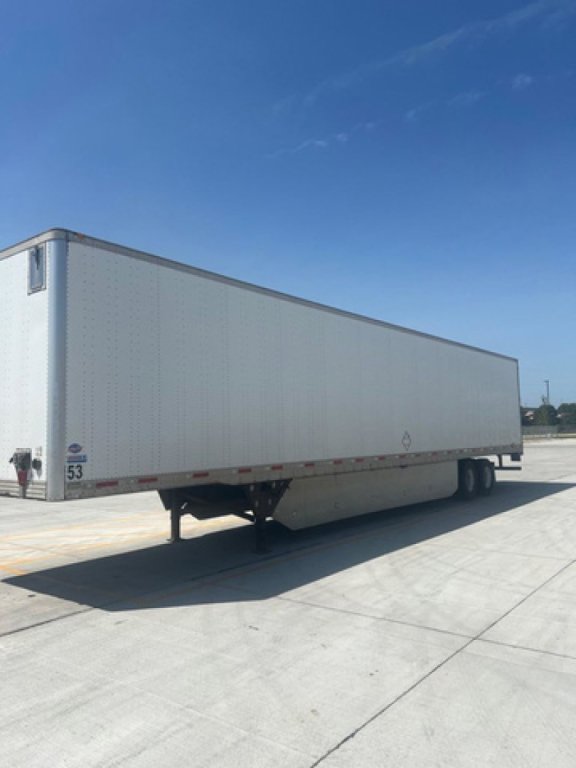
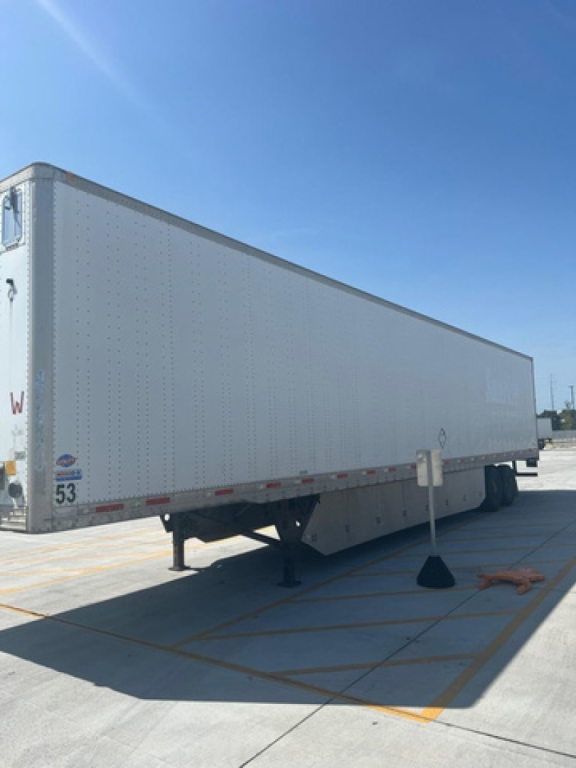
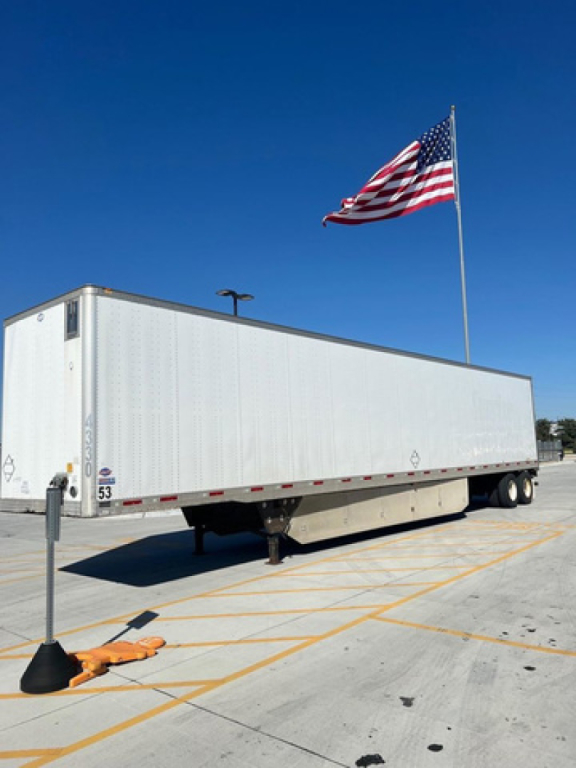
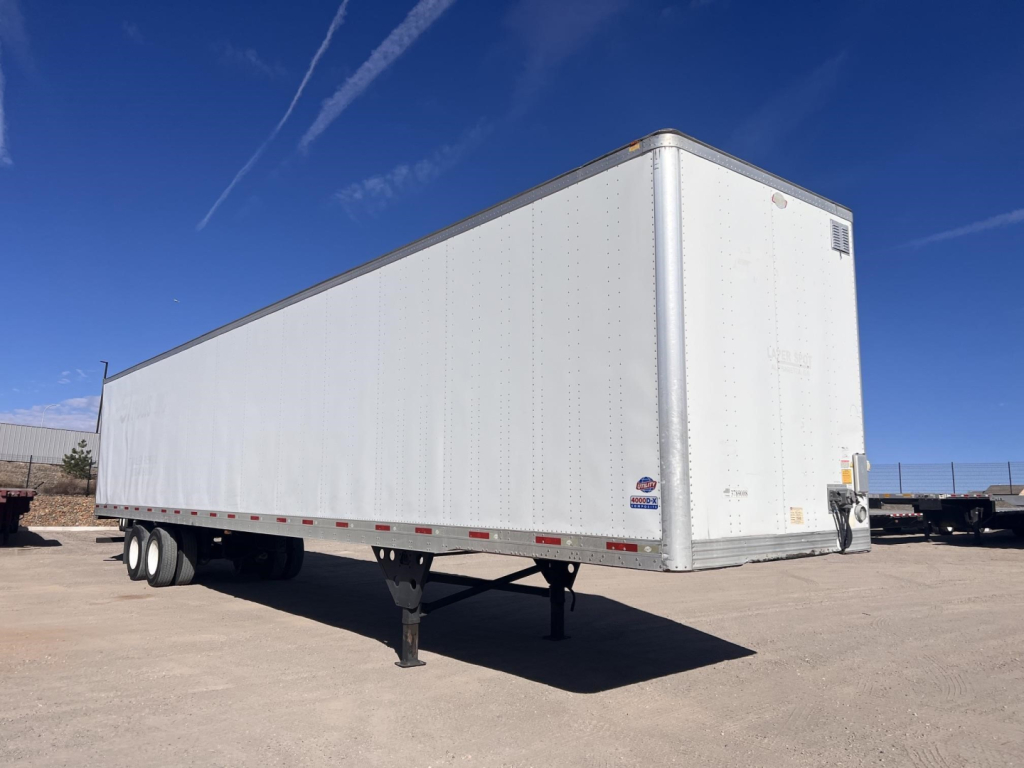
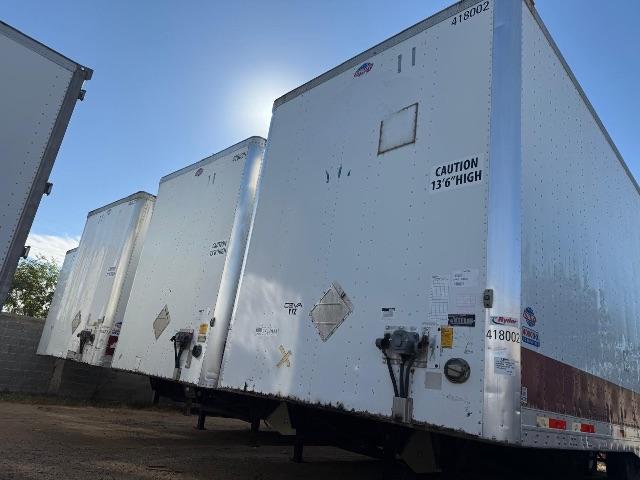
Have 2012 utility van trailer to sell? List it here to reach thousands of buyers.
2012 Utility Van Trailers
On a 2012 Utility van, the biggest buying decisions usually come down to trailer length, height, suspension, axle configuration, and overall structural condition. Most buyers will be looking at 53-foot dry vans with tandem axles, air ride suspension, 22.5-inch wheels, and a swing-door rear. Key inspection points include crossmembers, upper coupler plate area, rear frame, door frame alignment, roof bows, sidewall scuffing, and floor wear from forklifts. Floor rating matters if the trailer will see heavy concentrated loads, while logistics fleets often pay close attention to logistics posts, scuff liners, and interior width for pallet count and load securement.
Utility trailers are also known for spec variations that affect everyday operating cost. Sliding tandem axles can help with bridge law compliance and weight distribution, while tire inflation systems and aerodynamic packages may appear on some units depending on prior fleet spec. Suspension condition, brake life, bushing wear, and wheel-end service history matter as much as the body itself on a 2012 model. Buyers should also confirm door seal condition, landing gear operation, air system leaks, ABS status, and tire date codes, since these items directly affect uptime and DOT readiness.
For buyers comparing used dry vans, a 2012 Utility often appeals because it fits a broad range of lanes without the added complexity of temperature-control equipment. It is also commonly referred to as a dry van trailer or enclosed van trailer. The right trailer depends on freight type, loading method, and how hard the unit has been worked. A trailer that has spent its life in regional drop-and-hook service may show different wear than one used in high-cycle dock operations or dense urban freight. Condition and maintenance records will usually tell you more than age alone.
Frequently Asked Questions about 2012 Utility Van Trailers
What should I inspect first on a 2012 Utility van trailer?
Start with the structural and high-wear areas. Check the floor for soft spots, patchwork, rot, or heavy forklift damage. Inspect crossmembers, the rear frame, upper coupler plate, landing gear mounts, and suspension hangers for cracks, corrosion, or repairs. Then move to the roof, sidewalls, door frame, seals, brakes, tires, and wheel ends. On a used dry van, structural integrity and running gear condition usually matter more than cosmetic appearance.
Are 2012 Utility dry van trailers still a good value?
They can be a strong value if maintenance has been consistent and the trailer has not suffered major structural damage. Utility has broad market acceptance, so buyers and repair shops are generally familiar with the brand. A 2012 model often makes sense for fleets and owner-operators who want a lower acquisition cost for general freight service, but the trailer should be evaluated closely for floor life, suspension wear, brake condition, and overall body straightness before purchase.
What specs are most common on a Utility van trailer in this class?
The most common setup is a 53-foot dry van with tandem axles, air ride suspension, 22.5-inch wheels, and swing rear doors. Many units also have sliding tandems for axle weight compliance and dock positioning flexibility. Interior specs may include scuff liners, logistics posts, hardwood or laminated floors, and standard dry freight interior heights. Exact spec matters because it affects pallet capacity, route compliance, and maintenance cost.
How do I know if a used van trailer floor is still serviceable?
A serviceable floor should feel solid under load, show no major soft areas, and have limited patching relative to the trailer's intended duty cycle. Look for broken boards, moisture damage, excessive fastener pull-through, and forklift gouging near the nose, threshold, and common pallet travel paths. If the trailer will handle heavy concentrated loads, floor condition becomes a major cost factor because replacement or large-scale repair can quickly change the economics of the purchase.
Is a 2012 Utility van trailer better suited for regional or over-the-road use?
It can work in either role, but suitability depends on current condition and spec. A well-maintained unit with sound suspension, strong brakes, a dry roof, solid doors, and a good floor can continue in over-the-road service. Units with more cosmetic wear but good structural health may still fit regional, dedicated, or storage-related applications. The decision should be based on freight demands, annual mileage expectations, and how much reconditioning is needed to meet your uptime standard.