
Used Van Trailers For Sale
Browse used van trailers for freight hauling, including 48-ft and 53-ft dry vans with air ride, sliding tandems, roll-up or swing doors.
Learn moreBrowse Van Trailers by Make
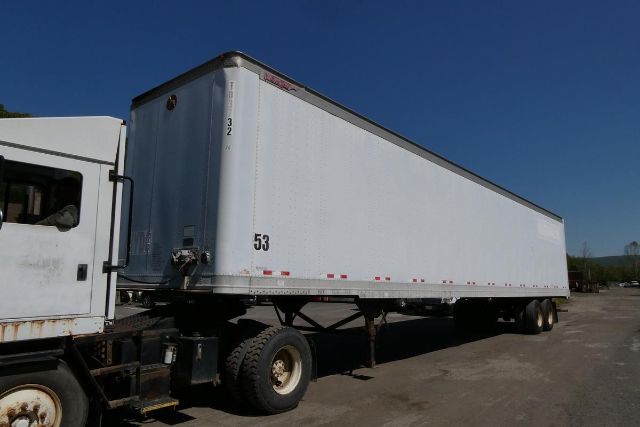
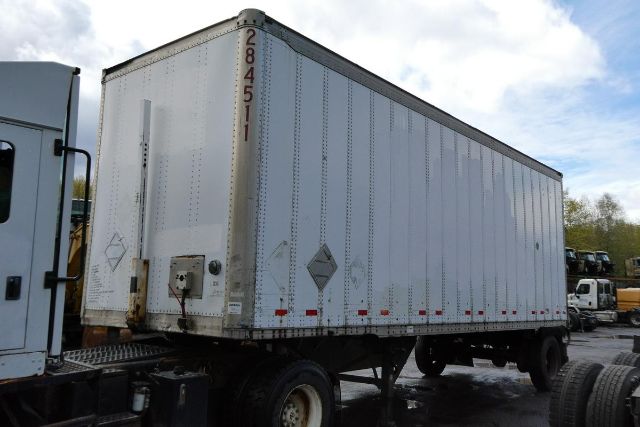
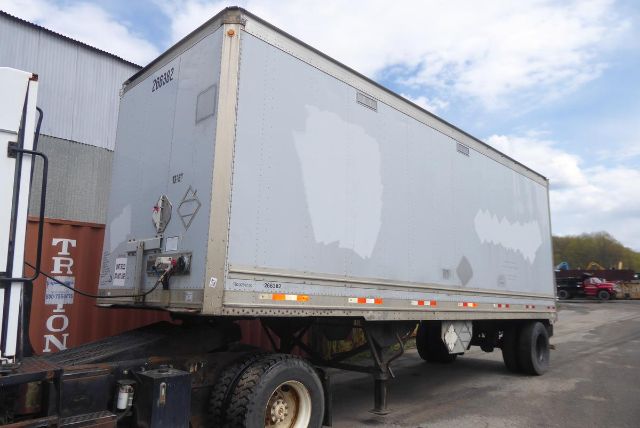
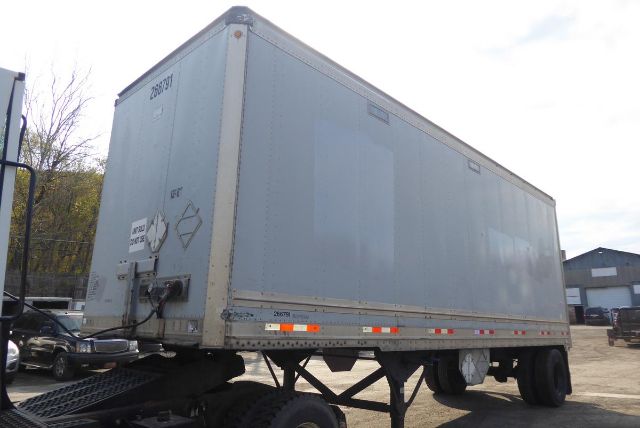
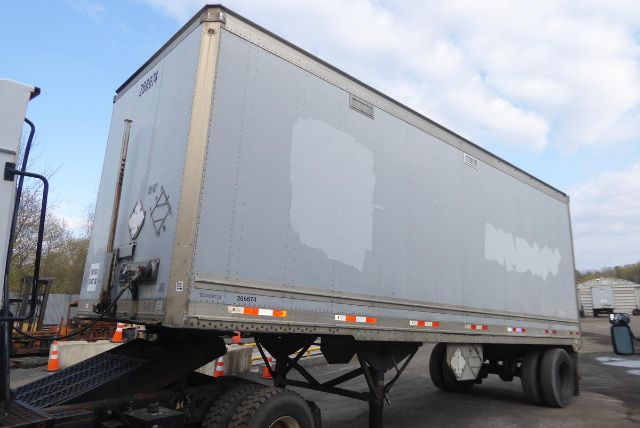
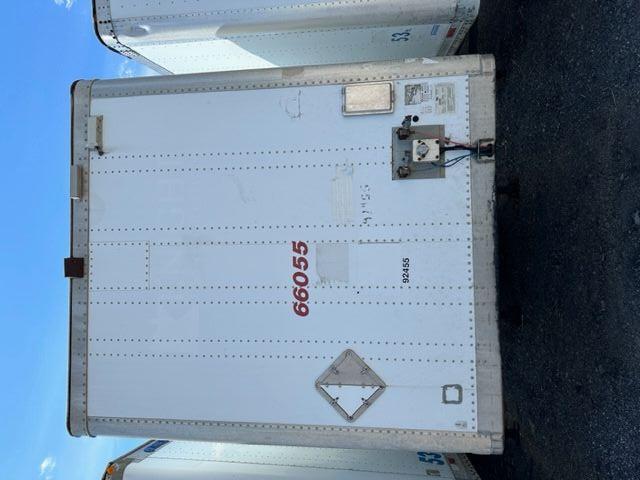
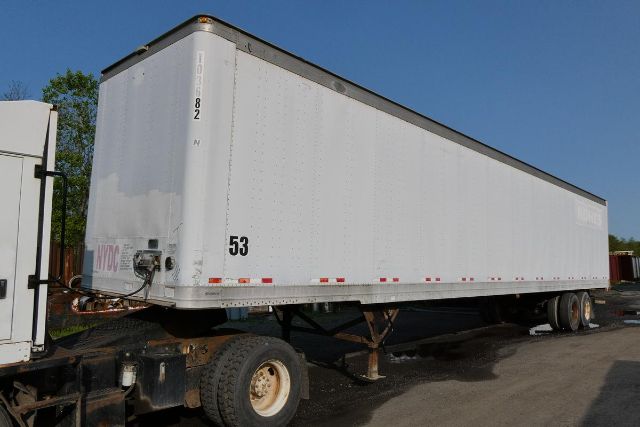
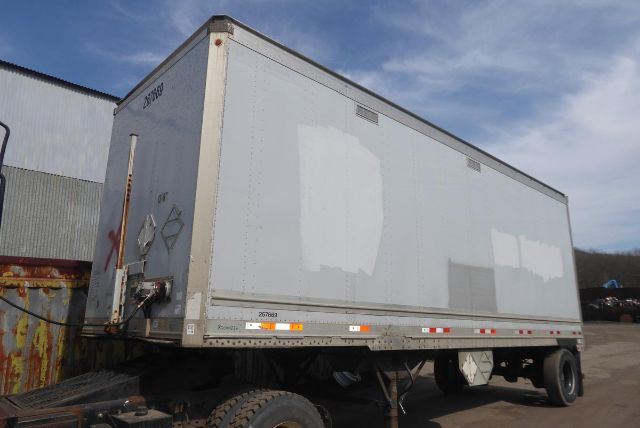
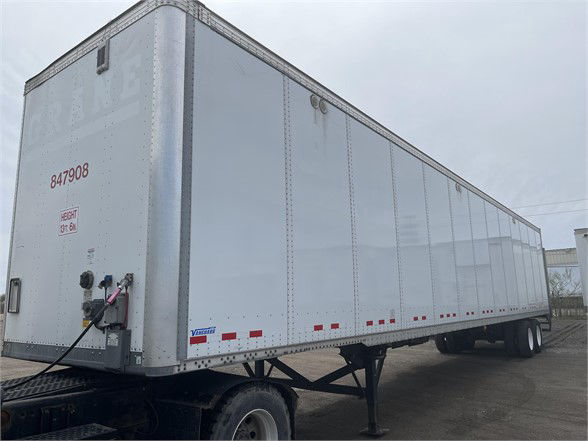
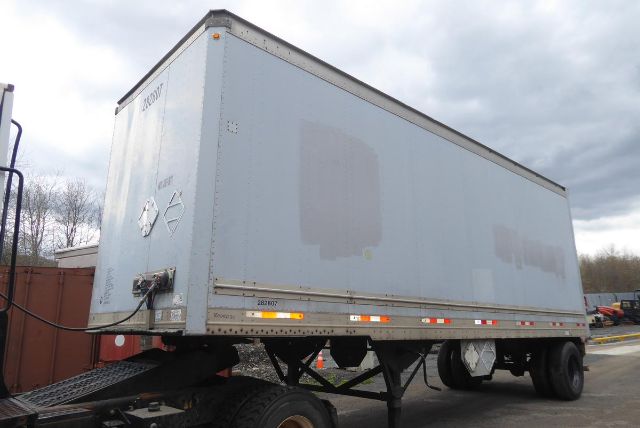
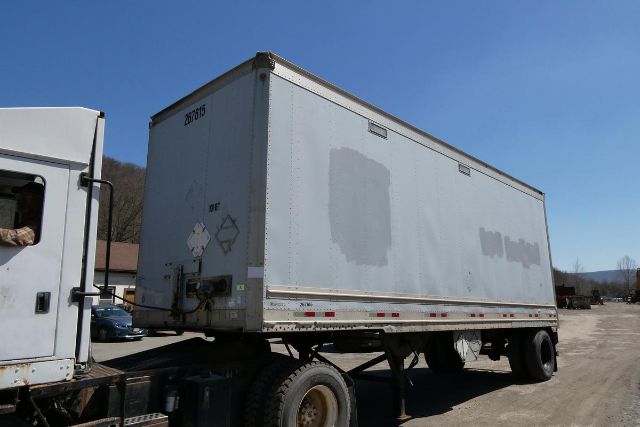
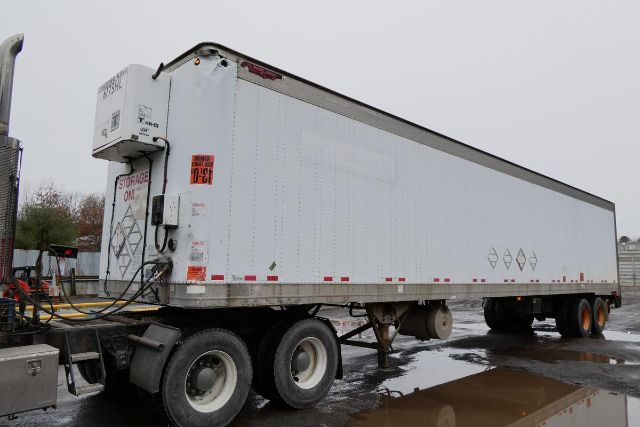
Showing 949 to 960 of 998 results
Have used van trailer to sell? List it here to reach thousands of buyers.
About Used Van Trailers
A used van trailer needs to be judged by how it loads, not just how it looks parked. Floor condition is critical, especially on high-cycle grocery, retail, and LTL work where forklifts constantly cross the threshold. Buyers should inspect wood or laminated floors for rot, delamination, soft spots, patched sections, and fastener pull-through. Interior lining matters too. Plywood lining, plastic liners, and scuff plates protect sidewalls from pallet contact and reduce future repair cost. E-track or logistics posts add flexibility for mixed freight and load securement, while front and rear vents can help manage moisture and temperature swings inside the box.
Suspension, axle configuration, and rear door style have a direct effect on daily usability. Air ride is common on fleet-spec used vans because it protects freight and improves ride quality, though spring ride trailers still appear in price-driven applications. Sliding tandems are standard on many 53-foot trailers to help with bridge laws, dock positioning, and weight distribution. Tire inflation systems, disc wheels, side skirts, and aerodynamic packages are also common on newer used dry vans and can reduce operating cost over time. On the rear, roll-up doors work well in tight docks and city deliveries, while swing doors are lighter, simpler, and often preferred when maximum rear opening is important.
Specialized van trailers also show up in the used market, including heated vans, liftgate-equipped units, and trailers with underbody storage or additional load securement options. These can be a strong fit for final-mile, beverage, foodservice, or cold-weather freight that does not require a full reefer. Before buying, compare GVWR, empty weight, door opening dimensions, roof condition, crossmember spacing, brake life, tire size, and suspension type against the freight you actually haul. The best used van trailer is not just the newest one. It is the trailer with the right floor strength, interior spec, axle setup, and maintenance history for your lanes and loading pattern.
Frequently Asked Questions
What should I check first on a used van trailer?
Start with the floor, roof, rear frame, and tandem slider. Floor damage is expensive and easy to miss until a forklift finds a weak spot. Check for soft areas, patches, broken boards, and excessive wear at the threshold. Inspect the roof for leaks, prior repairs, or punctures, especially around seams and fasteners. Look closely at the rear frame, door hardware, and threshold plate because these take constant abuse at docks. On sliding tandem trailers, make sure the pins, rails, and locking mechanism move and engage correctly.
Is a 53-foot dry van always the best choice?
A 53-foot dry van is the standard for over-the-road general freight, but it is not automatically the best choice for every operation. A 48-foot van can be a better fit for regional work, older docks, tighter urban yards, and some weight-sensitive applications where tare weight matters. The right trailer length depends on your freight profile, customer dock setup, route restrictions, and how often you cube out versus weigh out.
Are roll-up doors or swing doors better on a van trailer?
Roll-up doors are popular for city and multi-stop work because they open in tight spaces and reduce the chance of door damage at cramped docks. Swing doors are typically lighter, mechanically simpler, and can provide a wider, cleaner rear opening for palletized freight. Buyers should match the door style to their loading environment, maintenance tolerance, and the type of freight handling their customers require.
What suspension and axle setup is most common on used van trailers?
Tandem axle trailers with air ride suspension and a sliding tandem setup are the most common configuration in the used van market. Air ride helps protect cargo and is widely accepted in fleet applications. Sliding tandems give flexibility for bridge compliance, axle weight distribution, and dock positioning. Spring ride units can still work well in certain applications, but air ride remains the more common spec for mainstream dry van freight.
Can a used van trailer be equipped for specialized freight?
Yes. Many used van trailers include features that make them suitable for more than basic dry freight. Common examples include liftgates for route delivery, heated van systems for freeze protection, E-track or logistics posts for load securement, tire inflation systems for lower maintenance, and side skirts for better fuel economy. The key is to confirm that those components still function properly and that the trailer's electrical, structural, and cargo-control systems match your intended use.