
Used Vanco Van Trailers For Sale
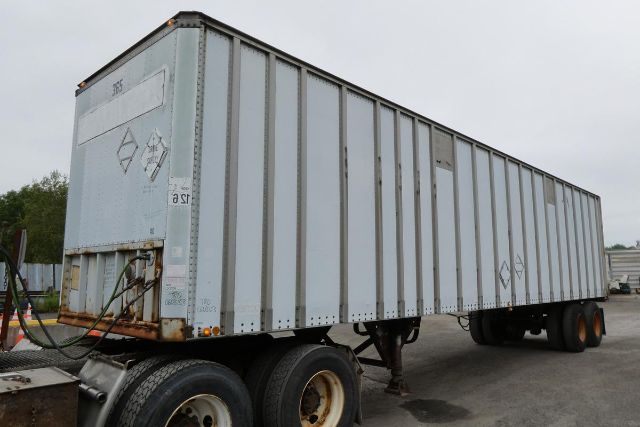
Shop used Vanco van trailers including dry van configurations with tandem axles, aluminum bodies, wood floors, and common 35' to 40' lengths.
Learn more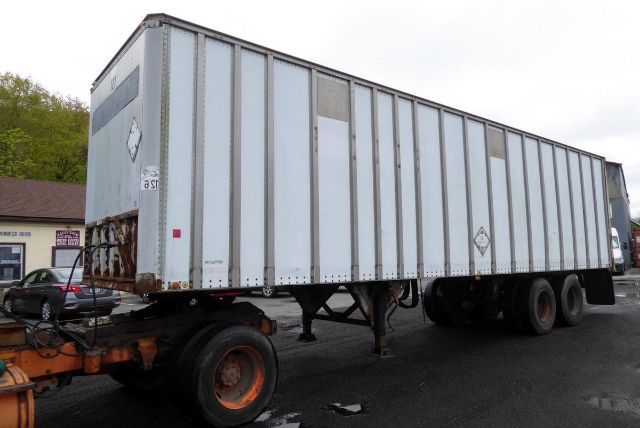
Have used vanco van trailer to sell? List it here to reach thousands of buyers.
About Used Vanco Van Trailers
Frequently Asked Questions
What should I inspect first on a used Vanco van trailer?
Start with the frame, crossmembers, floor, suspension hangers, and rear structure. On older dry van trailers, rust at the suspension, weak crossmembers, floor rot, and door frame fatigue can turn a low purchase price into a major repair bill. Check roof condition, sidewall integrity, brake components, axle alignment, and the condition of the roll-up or swing doors. If the trailer has a sliding tandem, confirm the slider rails, pins, and locking mechanism work correctly.
Are older Vanco van trailers still practical for freight service?
They can be, but the best fit is usually price-sensitive regional freight, private fleet use, static storage, or yard spotting rather than premium over-the-road service. An older Vanco dry van can still be useful if the body is sound, the floor is serviceable, and the running gear passes inspection. Buyers should match the trailer to the work. A light local route or warehouse support role puts less stress on an older trailer than high-mileage irregular route service.
What specs matter most when comparing used Vanco van trailers?
Focus on trailer length, tandem type, suspension, door style, floor material, tare weight, and overall structural composition. Length affects dock compatibility and freight cube. A sliding tandem gives more flexibility for bridge law and weight distribution than a fixed tandem. Suspension type affects ride and maintenance cost. Wood floors are common and repairable, but they need close inspection for soft spots and damage from forklifts or moisture.
Why do many used Vanco van trailers have aluminum bodies with wood floors?
That combination was common because it balanced weight, repairability, and cost. Aluminum side structures help keep tare weight down and resist corrosion better than full steel construction, while wood floors provide good forklift traction and are straightforward to patch or replace in sections. On an older used trailer, the advantage depends on condition. Aluminum can still suffer from fatigue or impact damage, and wood floors can hide moisture-related deterioration if they have not been maintained.