
Used Pines Van Trailers For Sale
Browse used Pines van trailers for freight hauling, with practical details on dry van specs, door types, roof design, ride options, and use cases.
Learn more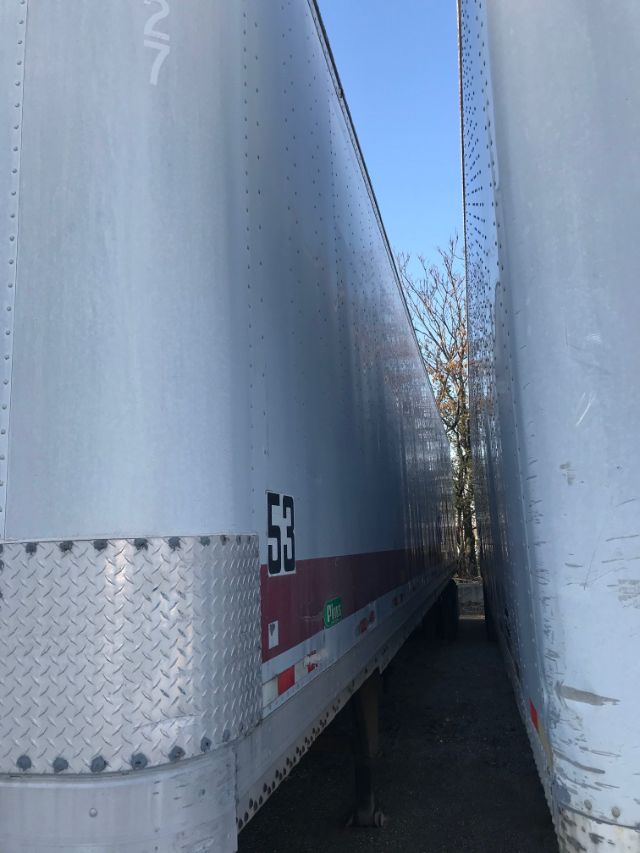
Have used pines van trailer to sell? List it here to reach thousands of buyers.
About Used Pines Van Trailers
On older Pines van trailers, common spec points include spring ride suspension, swing doors, and translucent roofs. Spring ride is simple and durable, though it rides rougher than air ride and may matter if the freight is more damage-sensitive. Swing doors remain popular for dock work because they are familiar, easy to service, and usually less expensive to repair than more complex rear door setups. A translucent roof is a practical feature on older vans because it improves daylight visibility inside the trailer and can make loading and inspection easier.
Buyers should pay close attention to dimensions and cargo interface details, especially if the trailer will be used in a mixed fleet. Interior height, overall length, door opening width, floor type, and logistics posts all affect how easily the trailer handles standard pallet counts and dock operations. It also helps to inspect scuff liners, crossmembers, rub rail condition, and the rear sill area, since these points often show the real history of forklift traffic and repeated loading cycles. Tire condition, wheel-end service history, brake wear, light function, and ABS compliance are also critical on used van trailers in this age range.
A used Pines van trailer can make sense for buyers who want an economical enclosed trailer for general freight or non-high-cube applications. The right unit depends less on the badge and more on structural condition, legal roadworthiness, and how well the specs fit the intended lane and loading pattern. For short regional hauls, warehouse overflow, farm supply movement, or dedicated local routes, an older dry van can still offer solid value if the doors close square, the roof stays dry, and the floor is ready for regular forklift use.
Frequently Asked Questions
What should I inspect first on a used Pines van trailer?
Start with the floor, roof, rear frame, and doors. Floor soft spots, broken boards, roof leaks, bent rear structure, and poor door sealing are some of the most expensive condition issues on an older dry van. After that, check suspension components, brakes, tires, wheel ends, lights, and signs of corrosion around crossmembers and the lower rail.
Is spring ride a drawback on a used dry van trailer?
Spring ride is not necessarily a drawback, but it should match the freight. It is durable, simple, and often less complicated to maintain than air ride, which makes it attractive for budget-minded operations. The tradeoff is a harsher ride, so it may be less ideal for fragile or high-value loads that benefit from better ride quality.
Why does a translucent roof matter on a van trailer?
A translucent roof improves natural light inside the trailer, which helps during loading, unloading, and inspection. That can be especially useful in older dry vans used for local delivery, storage, or dock work where interior visibility matters. The roof still needs to be checked carefully for cracking, patching, and leak points around seams and fasteners.
Are older Pines van trailers still suitable for over-the-road freight?
They can be, if the trailer is structurally sound and meets the operational and compliance needs of the fleet. Many older dry vans continue working in regional service, dedicated lanes, and general freight applications. The deciding factors are usually condition, brake and tire status, floor life, water tightness, and whether the dimensions and specs still fit current shipper requirements.