
Stoughton Van Trailers For Sale in North Carolina
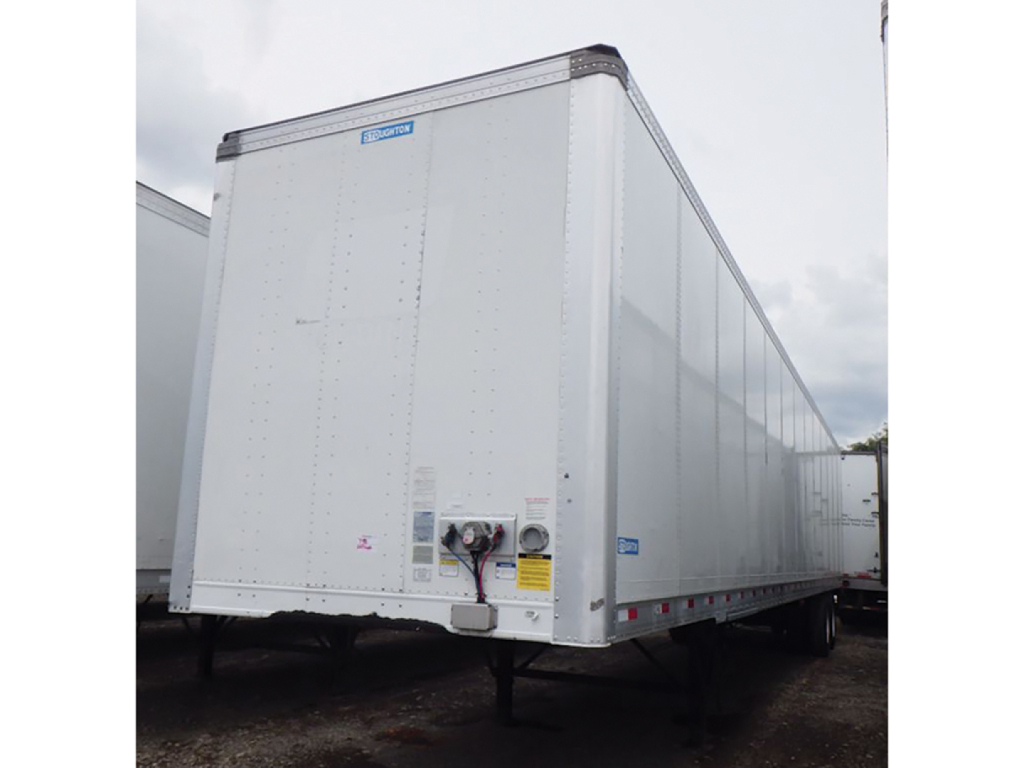
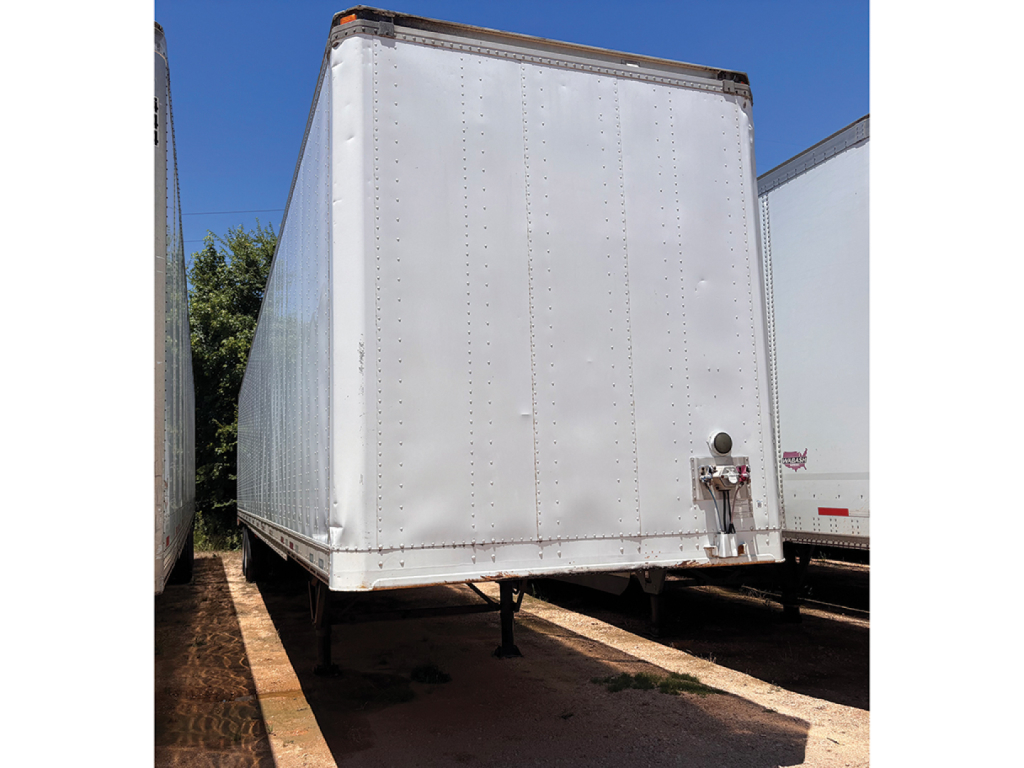
Shop Stoughton van trailers with specs that matter, including 53-foot dry vans, air ride, sliding tandems, logistics posts, and door options.
Learn more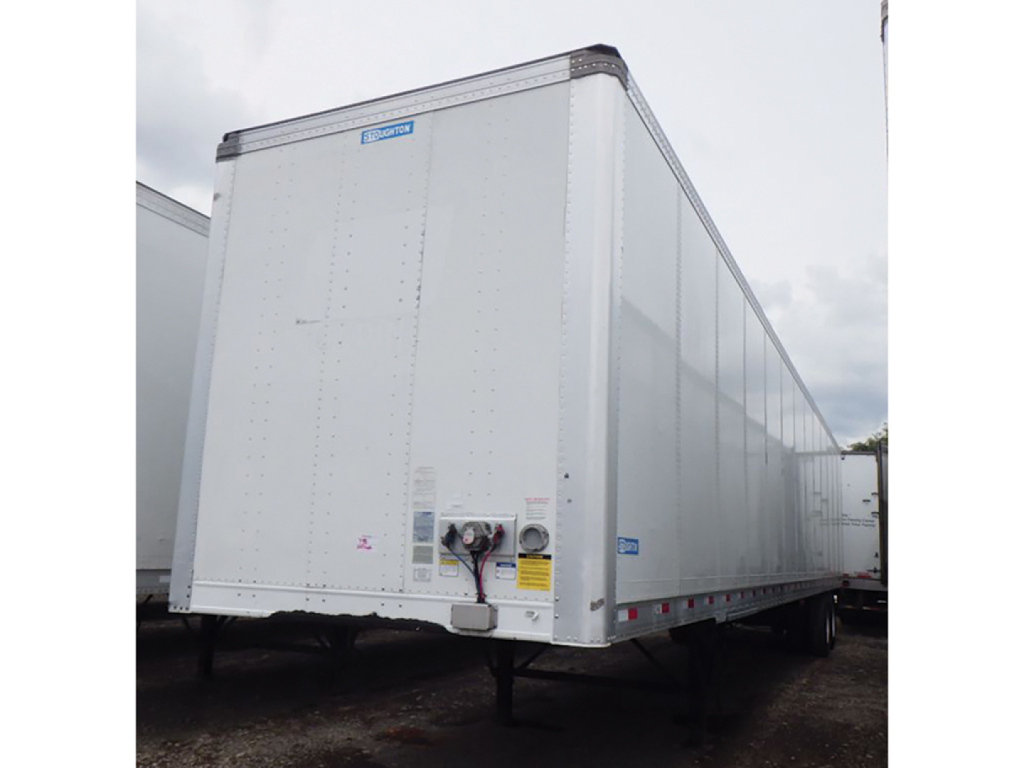

Have stoughton van trailer to sell? List it here to reach thousands of buyers.
About Stoughton Van Trailers in North Carolina
Construction details matter more than the badge on the nose. Many Stoughton van trailers are spec'd with wood floors, threshold plates, scuff liners or scuff plate protection, logistics posts, and either swing doors or roll-up doors. Plate construction can be attractive for fleets that want strong sidewall durability and straightforward repairability, while aluminum van configurations can help control tare weight depending on body spec and age. Plywood lining, Kemlite interior materials, and translucent roofs are also common on older and mid-life dry vans, especially where interior visibility and sidewall protection are important.
Running gear and axle layout should be matched to the freight and the lanes. Air ride suspension and sliding tandems are typical on Stoughton dry vans because they help with dock approach, ride quality, axle compliance, and bridge law adjustments. Buyers should verify kingpin setting, tandem slide range, tire size, wheel type, and overall door opening dimensions before committing to a trailer for regional or long-haul work. In North Carolina and throughout the Southeast, that usually means thinking about mixed port, warehouse, and retail distribution use, where quick loading cycles and broad shipper compatibility are more important than specialized body equipment.
A used Stoughton van trailer is often judged on floor condition, wall damage, roof integrity, rear frame wear, and how well the logistics system has held up under forklift traffic. Look closely at crossmembers, threshold area, door hardware, scuff protection, and any signs of moisture intrusion around the roof rail and front wall. For buyers comparing dry van trailers for sale, the best unit is usually the one with the cleanest structural condition and the right spec package for the freight, not just the newest model year.
Frequently Asked Questions
What is the difference between a Stoughton plate van and an aluminum van?
A Stoughton plate van uses plated sidewall construction that is generally valued for durability and straightforward repair in fleet service. An aluminum van is typically chosen when tare weight is a bigger concern, although exact weight savings depend on the full trailer specification, floor, lining, roof, and running gear. Buyers should compare sidewall condition, repair history, and empty weight instead of assuming one design is always better for every operation.
What specs should I check first on a used Stoughton van trailer?
Start with trailer length, height, width, suspension type, tandem configuration, kingpin setting, and door style. Then inspect the floor, crossmembers, roof, front wall, rear frame, and logistics track or post system because those areas affect service life and freight compatibility. Tire size, wheel type, and brake setup also matter, especially if the trailer will be dropped in a fleet rotation or used across multiple tractors and terminals.
Are Stoughton van trailers good for general dry freight?
Yes. Stoughton dry vans are commonly used for palletized freight, retail loads, packaged goods, and distribution freight that does not require temperature control. A typical 53-foot Stoughton van with logistics posts, scuff protection, a sound wood floor, and air ride suspension fits the needs of many carriers running dock-to-dock freight in regional or over-the-road service.
Is a swing door or roll-up door better on a dry van trailer?
Swing doors are common on linehaul and general freight trailers because they provide a full rear opening and are usually lighter and simpler than roll-up assemblies. Roll-up doors can be useful in certain urban, LTL, or multi-stop applications where rear clearance is limited, but they add moving parts and can reduce usable rear opening height. The better choice depends on dock conditions, freight handling patterns, and maintenance preference.
Why is a sliding tandem important on a Stoughton van trailer?
A sliding tandem gives the trailer more flexibility for axle weight distribution, bridge compliance, and dock positioning. It is especially useful when loads vary in density or when the trailer runs in multiple states with different practical weight and spacing concerns. On a used trailer, buyers should make sure the tandem slide operates properly, the pins engage cleanly, and the rail area is not excessively worn or damaged.