
Hyundai Van Trailers For Sale in North Carolina
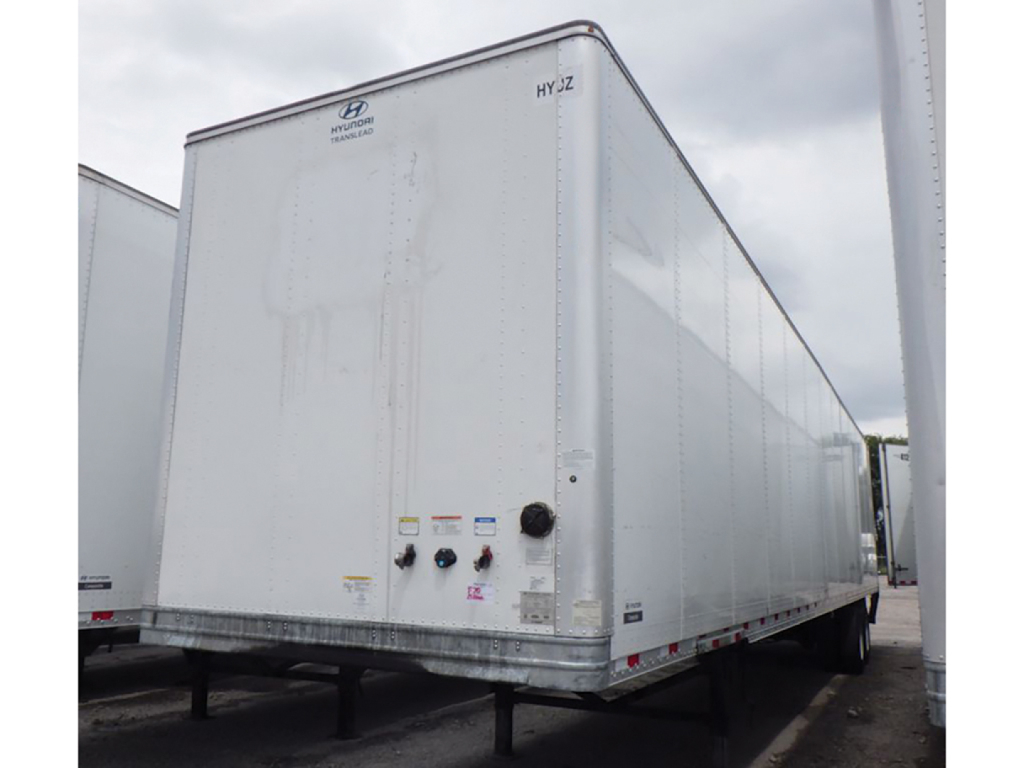
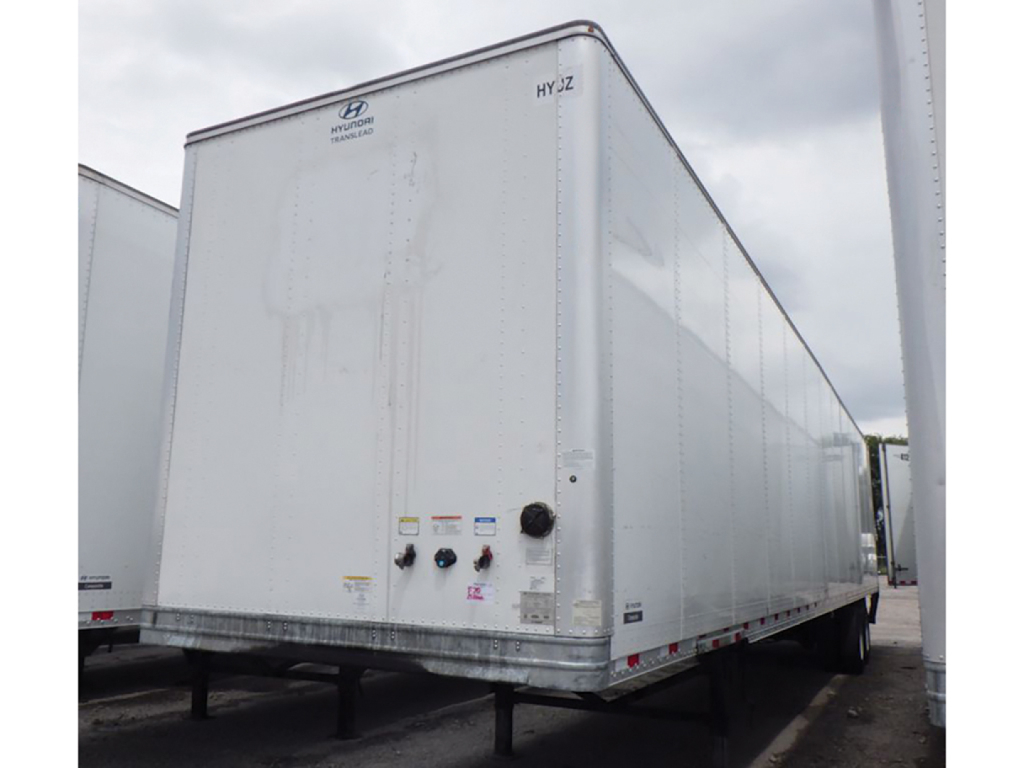
Shop Hyundai van trailers for sale in North Carolina. Compare 53-foot dry vans with air ride, sliding tandems, logistics posts, and swing doors.
Learn more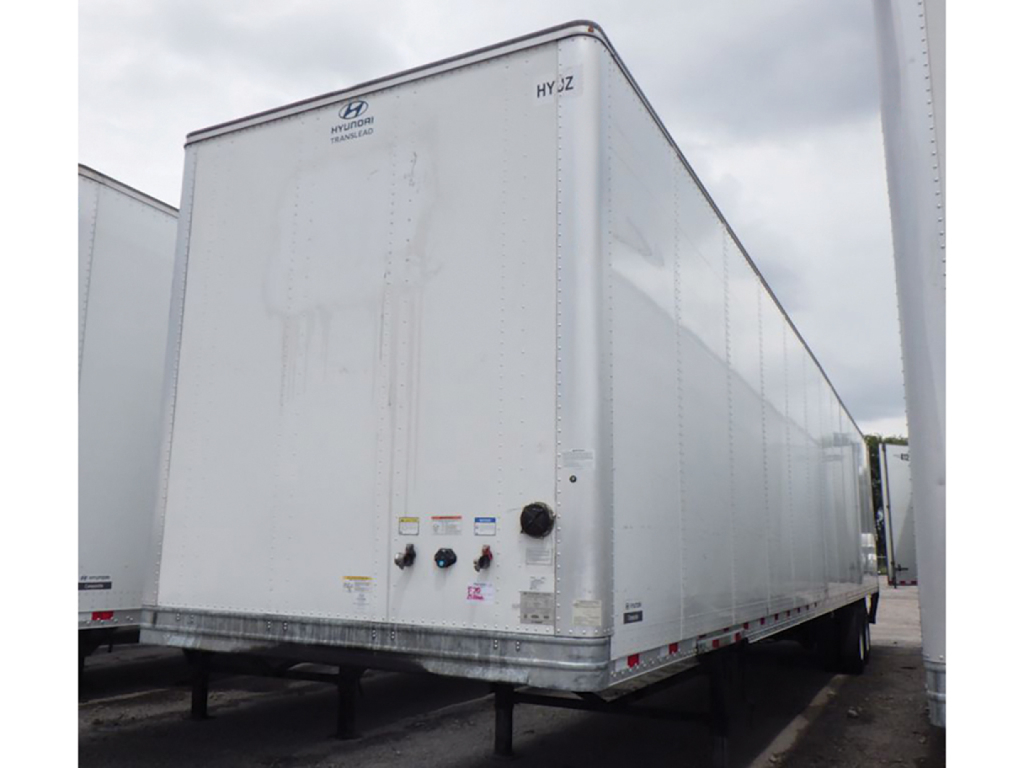

Have hyundai van trailer to sell? List it here to reach thousands of buyers.
About Hyundai Van Trailers in North Carolina
A typical Hyundai dry van trailer is equipped with a wood floor, logistics posts or logistics track, swing doors, and sliding tandem suspension. Those features matter in daily use. A wood floor remains popular because it handles forklift traffic well and is easy to repair. Scuff liners, scuff plate, threshold plate, and plywood lining help protect the sidewalls and rear entry area from repeated pallet and forklift contact. Air ride suspension is a major plus for carriers hauling retail, packaged goods, consumer products, and other damage-sensitive freight. Sliding tandems also give the trailer more flexibility for bridge law compliance, axle spread adjustment, and tight dock positioning.
Buyers in North Carolina often look at dry van trailers for a mix of port freight, distribution center work, regional retail deliveries, and interstate linehaul. That makes practical spec details more important than cosmetic differences. Check kingpin setting, usually around 36 inches on many fleet-spec units, because it affects tractor compatibility and weight distribution. Tire inflation systems can reduce roadside tire issues and are worth noting on high-mileage trailers. Low-profile 22.5 tires, disc wheels, front vents, and rear swing doors are all common on Hyundai vans, but the right combination depends on freight type, maintenance preferences, and the operating area.
When comparing used Hyundai van trailers, focus on structural and wear items first. Floor condition, roof integrity, sidewall repairs, crossmember condition, door frame alignment, tandem slide operation, suspension wear, and brake type all tell you more than age alone. A newer plate van may offer strong durability for heavy dock traffic, while an older aluminum van may appeal to buyers trying to balance payload and acquisition cost. Hyundai has long been a recognizable name in the dry van market, so parts support, service familiarity, and resale market acceptance are generally solid considerations for fleets and owner-operators shopping this class.
Frequently Asked Questions
What is the difference between a Hyundai plate van and a Hyundai aluminum van trailer?
A plate van typically uses sheet-and-post style construction designed for durability in high-contact freight environments, while an aluminum van is often chosen for a balance of structural strength and lighter weight. In practical terms, plate vans are commonly favored for tougher dock work and frequent forklift loading, while aluminum vans can be attractive when payload matters. The best choice depends on freight type, lane conditions, and how hard the trailer will be used.
What specs matter most when buying a used Hyundai van trailer?
The most important specs are usually trailer length, width, overall height, kingpin setting, suspension type, tandem configuration, floor material, and interior cargo control setup. On a used unit, condition matters just as much as the base spec. Buyers should closely inspect the wood floor, roof, sidewalls, scuff liners, rear frame, doors, tandem slide rails, brakes, and tires. A trailer with the right dimensions but poor structural condition can cost more to own than a higher-priced unit with better maintenance history.
Are Hyundai van trailers good for regional and long-haul freight?
Yes. Hyundai dry van trailers are commonly used in both regional and over-the-road service for general dry freight, packaged goods, retail loads, and distribution work. A 53-foot van with air ride suspension, sliding tandems, and logistics posts is a versatile setup that fits many fleet applications. The trailer is especially well suited for dock-to-dock freight where weather protection, cube capacity, and cargo security are priorities.
Why are logistics posts and scuff liners important in a dry van trailer?
Logistics posts or logistics track give drivers and warehouse teams more flexibility to secure freight with load bars, straps, and decking systems. That helps reduce cargo shift and improves trailer utilization across different load types. Scuff liners and scuff plates protect the lower interior walls from forklift and pallet damage, which is important in high-cycle freight operations. These features can extend trailer life and reduce repair costs over time.
Is air ride suspension worth it on a Hyundai van trailer?
For many buyers, yes. Air ride suspension helps reduce shock and vibration compared with mechanical suspension, which can protect freight and improve ride quality. It is especially useful for retail merchandise, consumer goods, and other cargo that can be damaged by rough road input. Air ride also tends to be preferred by many fleets and shippers, although maintenance practices and total operating cost should still be considered when comparing trailers.