
New Hyundai Van Trailers For Sale
Shop new Hyundai van trailers built for dry freight, with galvanized construction, air ride, swing doors, and fleet-ready specs.
Learn more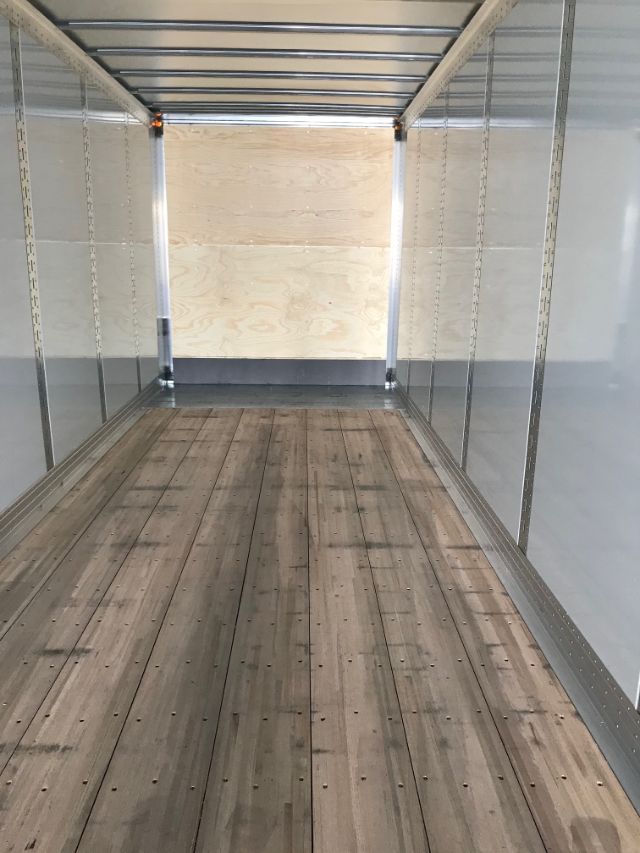
Have new hyundai van trailer to sell? List it here to reach thousands of buyers.
About New Hyundai Van Trailers
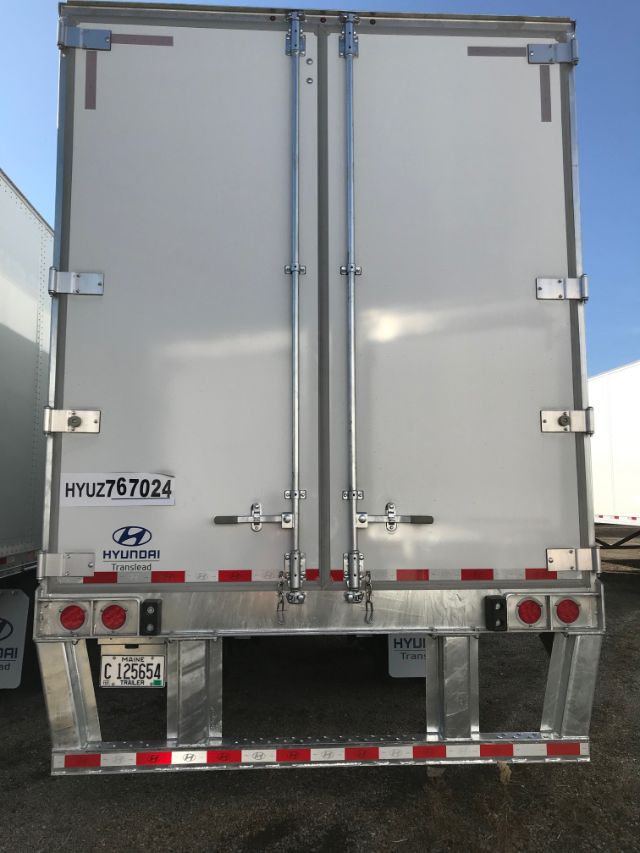
A key buying decision is body construction. Hyundai van trailers are commonly spec'd with fully galvanized components to improve resistance to rust in northern climates, coastal regions, and high-salt operating environments. Composite sidewall designs are also common and can help balance tare weight, impact resistance, and long-term appearance. Buyers should look closely at overall trailer length, interior height, rear frame design, floor rating, and door configuration. Swing doors remain a popular spec for dock use and general freight, while high-cube bodies can make sense for shippers moving lightweight freight that cubes out before it weighs out.
Running gear and operating costs matter just as much as body design. New Hyundai van trailers are often equipped with air ride suspension for cargo protection and smoother road manners, especially in network freight and high-mileage lanes. Tire pressure monitoring or automatic tire inflation systems such as PSI are common on newer fleet specs because they help reduce irregular wear, improve fuel economy, and limit roadside downtime. Aerodynamic options like side skirts may also appear on fuel-conscious specifications, particularly for long-haul applications where small efficiency gains add up across thousands of miles.
For buyers comparing listings, the practical questions are straightforward: what freight is being hauled, how hard will the trailer cycle, and what maintenance environment will support it. A Hyundai van trailer set up for palletized dry goods, retail distribution, packaging, or general dock freight may need different floor capacity and interior lining than a unit headed into tougher multi-stop service. It also helps to confirm axle rating, wheel-end package, brake spec, landing gear, logistics post placement, and trailer tracking options if the trailer is joining a managed fleet. A well-matched new Hyundai dry van can deliver predictable uptime, good fleet compatibility, and solid lifecycle value.
Frequently Asked Questions
What are the main advantages of a new Hyundai van trailer?
A new Hyundai van trailer is typically chosen for dry freight service, corrosion-resistant construction, and fleet-friendly specifications. Common advantages include galvanized components, modern air ride suspension options, durable roof and wall designs, and compatibility with widely used maintenance practices. For many buyers, the value is in predictable uptime, strong parts support, and a spec that fits general freight, retail, and distribution work.
What is the difference between a standard dry van and a high-cube Hyundai trailer?
A standard dry van is built for general palletized freight and standard dock operations, while a high-cube trailer adds interior height to maximize cubic capacity. High-cube specs are useful for lightweight freight that fills the trailer before reaching gross weight, such as paper products, packaging, or certain retail goods. The right choice depends on freight profile, customer dock clearances, and whether your operation cubes out more often than it weighs out.
Why do buyers look for galvanized construction on Hyundai van trailers?
Galvanized construction helps protect steel components from corrosion, which is especially important in regions with road salt, humidity, or coastal exposure. Better corrosion resistance can extend service life, improve appearance over time, and reduce structural maintenance compared with less protected designs. For fleets that plan to keep trailers for years or run them in harsh weather, galvanization is often a major buying factor.
Are air ride and PSI systems worth it on a new van trailer?
Air ride suspension is valuable when cargo protection, ride quality, and trailer stability matter. It can reduce shock to freight and is commonly preferred in higher-service dry van operations. PSI or similar tire inflation systems can also be a smart spec because they help maintain proper tire pressure, which supports tire life, fuel economy, and roadside reliability. For high-mileage trailers, both features can contribute to lower total operating cost.
What specs should I compare when shopping new Hyundai dry vans?
The most important specs to compare are trailer length, interior height, floor rating, sidewall construction, suspension type, axle rating, door style, roof material, and corrosion protection. Buyers should also review aerodynamic equipment, tire inflation systems, logistics posts, brake package, and any telematics or trailer tracking hardware. The best spec is the one that matches the freight, route profile, loading conditions, and maintenance plan of the operation.