
Rolloff Trailers For Sale
Shop rolloff trailers for waste, scrap, and container hauling. Compare lengths, roller bed designs, axles, suspension, and duty ratings.
Learn more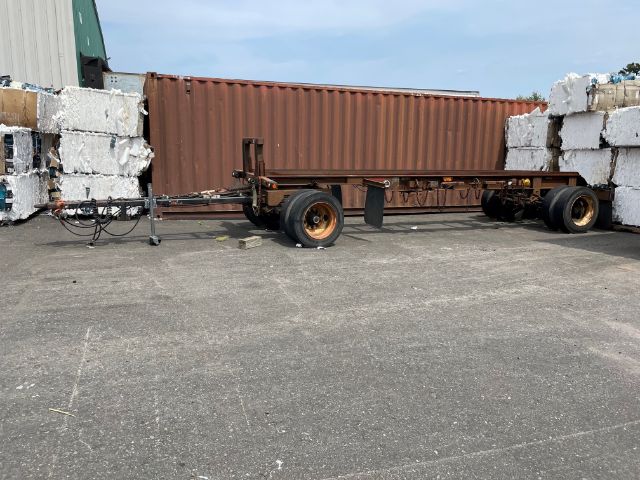
Have rolloff trailer to sell? List it here to reach thousands of buyers.
About Rolloff Trailers
Deck length, axle layout, and suspension have a direct effect on what the trailer can legally and efficiently haul. Common configurations include shorter pup trailers for moving a second box behind a truck and longer tandem axle trailers used to transport full-size cans over the road. A longer roller bed can give you flexibility across multiple container sizes, but it also changes bridge compliance, turning radius, and how weight is distributed when the box is loaded forward or rearward on the rails. Buyers should look closely at axle spread, fixed versus sliding suspension, air ride versus spring ride, brake condition, and kingpin or drawbar setup depending on whether the trailer is a semi-trailer or pup.
Structural condition is critical on this category because rolloff trailers live hard lives. Inspect the main rails, crossmembers, rear loading area, roller assemblies, hinge points, and container stops for cracking, elongation, and past welding repairs. Check that the rollers turn freely, the guides are straight, and the bed has not been twisted by uneven loading. Electrical condition also matters because these trailers see frequent backing, yard use, and exposure to demolition debris. LED lighting, sealed harnesses, and working ABS components reduce downtime. Tire wear patterns, slack adjusters, suspension bushings, and brake drum or rotor condition can tell you a lot about alignment and maintenance history.
The right rolloff trailer depends on the material stream and route profile. Waste and demolition fleets often prioritize rugged steel construction and simple, serviceable components. Scrap haulers may focus more on payload, rail integrity, and container retention under repeated heavy loading cycles. Regional operators should also factor in state bridge laws, tare weight, and corrosion exposure from road salt or landfill environments. A clean-looking trailer is less important than straight rails, solid running gear, and a bed design that fits your containers without modification. Buyers comparing listings should start with container compatibility, legal payload potential, structural soundness, and ease of repair in day-to-day fleet service.
Frequently Asked Questions
What is the difference between a rolloff trailer and a roller bed trailer?
In most truck equipment listings, the terms rolloff trailer and roller bed trailer are used interchangeably. Both describe a trailer designed with rails and rollers so a container body can be loaded, carried, and unloaded. The exact loading system may vary by fleet, so the important detail is not the label but whether the trailer matches your container style, rail spacing, and securement method.
What should I check first when buying a used rolloff trailer?
Start with compatibility and structure. Confirm the trailer fits the container lengths and body style your operation uses, then inspect the main rails, crossmembers, rear loading section, rollers, stops, and securement points. After that, evaluate running gear including axles, suspension, brakes, tires, lights, and ABS. A mismatch in container geometry can make a trailer unusable, while structural damage can turn a low purchase price into a high repair bill.
Are pup rolloff trailers a good choice for waste hauling?
A pup rolloff trailer can be a strong fit when a fleet wants to move a second container and maximize route efficiency. They are commonly used in regional waste and recycling work where maneuverability still matters. The tradeoff is that backing, weight distribution, and route restrictions can be more demanding than with a straight truck alone. Buyers should confirm tongue length, overall trailer length, axle rating, and towing setup match the truck and the operating conditions.
How do axle configuration and suspension affect a rolloff trailer?
Axle configuration and suspension determine ride quality, maintenance needs, legal weight distribution, and how the trailer handles with different container positions. Tandem axles are common for heavier work, while sliding axle arrangements can help with bridge compliance on certain setups. Air ride suspension can reduce shock loading to the trailer and container, but spring ride may appeal to fleets that want a simpler system. The best choice depends on payload, road conditions, and service environment.
What materials are commonly hauled on rolloff trailers?
Rolloff trailers are commonly used for construction and demolition debris, municipal solid waste, recycling, scrap metal, wood waste, roofing tear-off, and other bulk materials moved in open-top containers. The trailer itself does not determine the material as much as the container and the weight of the load. Buyers should make sure the trailer frame, roller system, and axle ratings are appropriate for the heaviest material stream they expect to haul regularly.