
Great Dane Reefer Trailers For Sale in North Carolina
Shop Great Dane reefer trailers for sale in North Carolina. Compare 53-foot refrigerated trailers, multi-temp specs, reefers units, and trailer options.
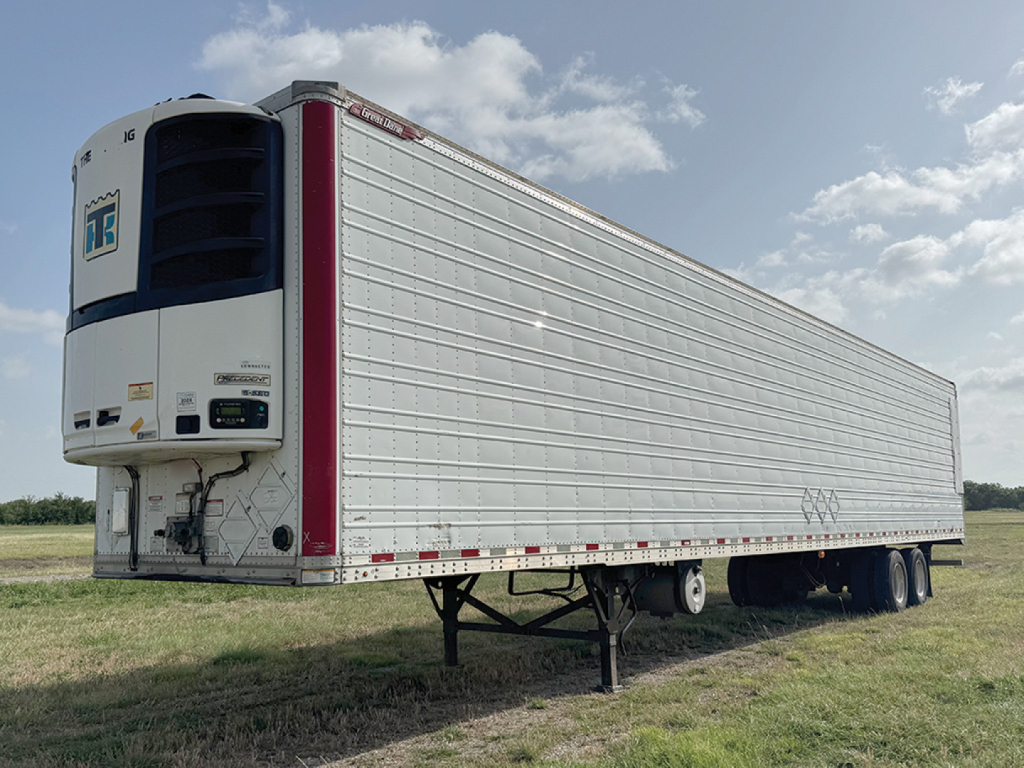
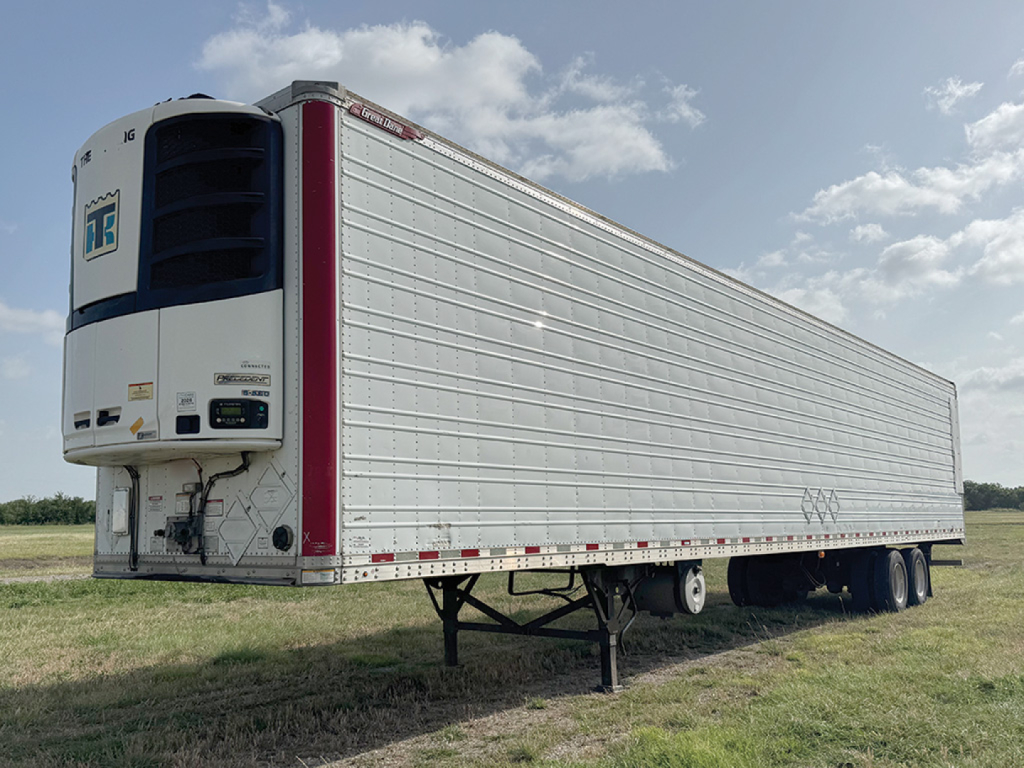
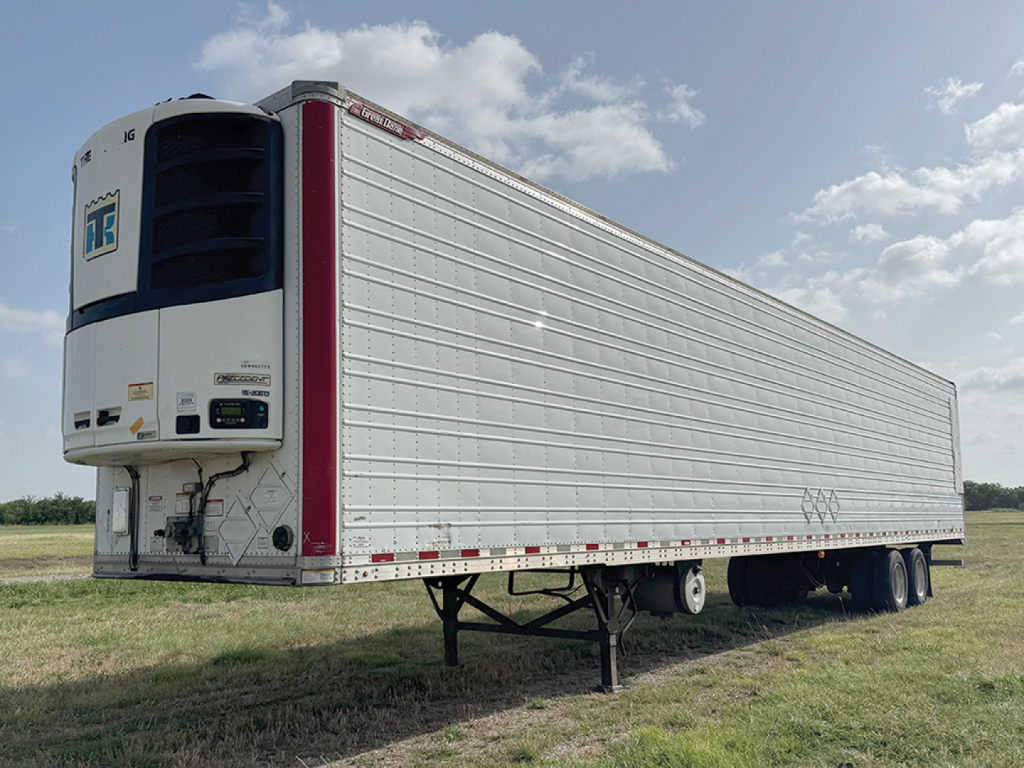
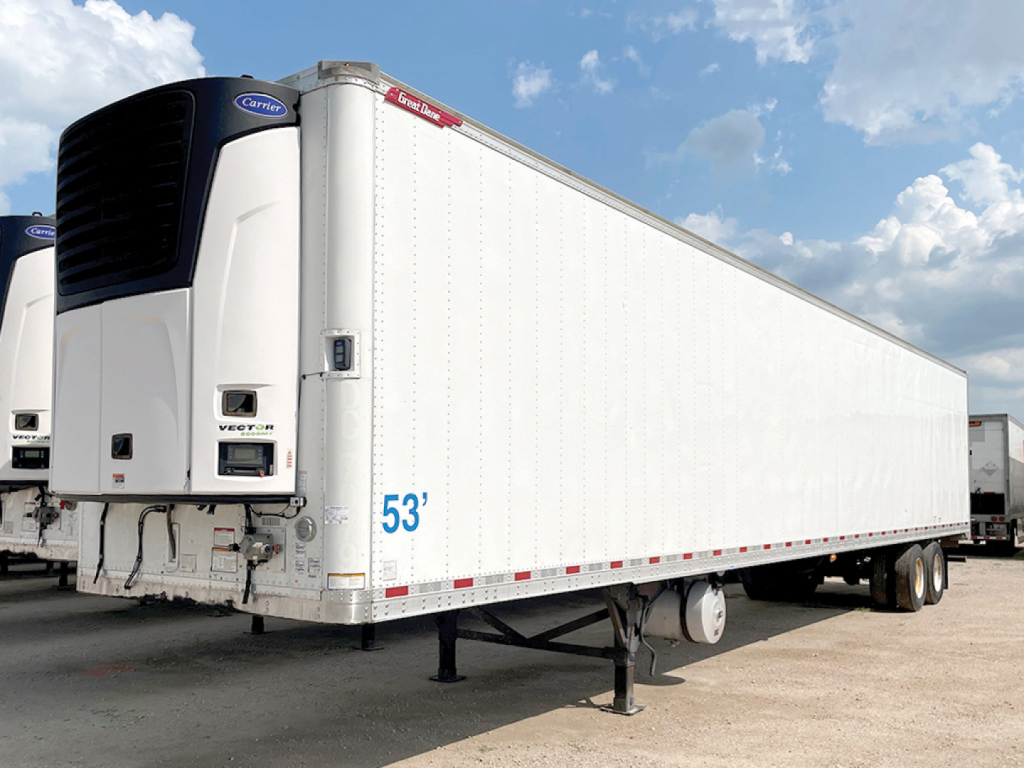
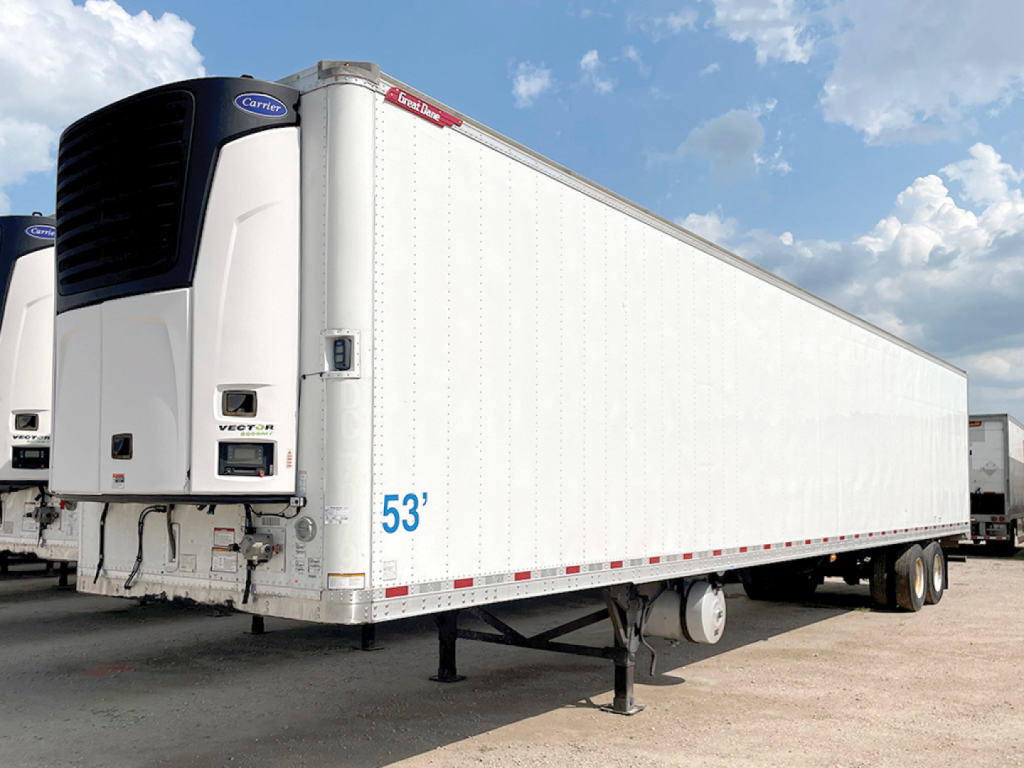
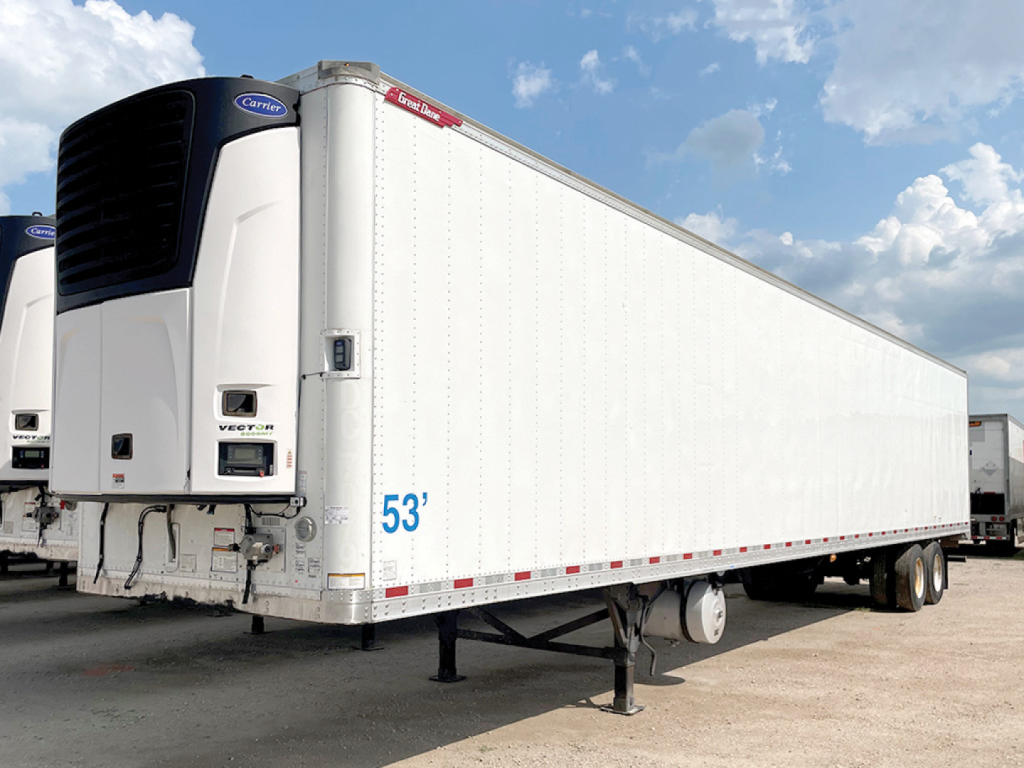
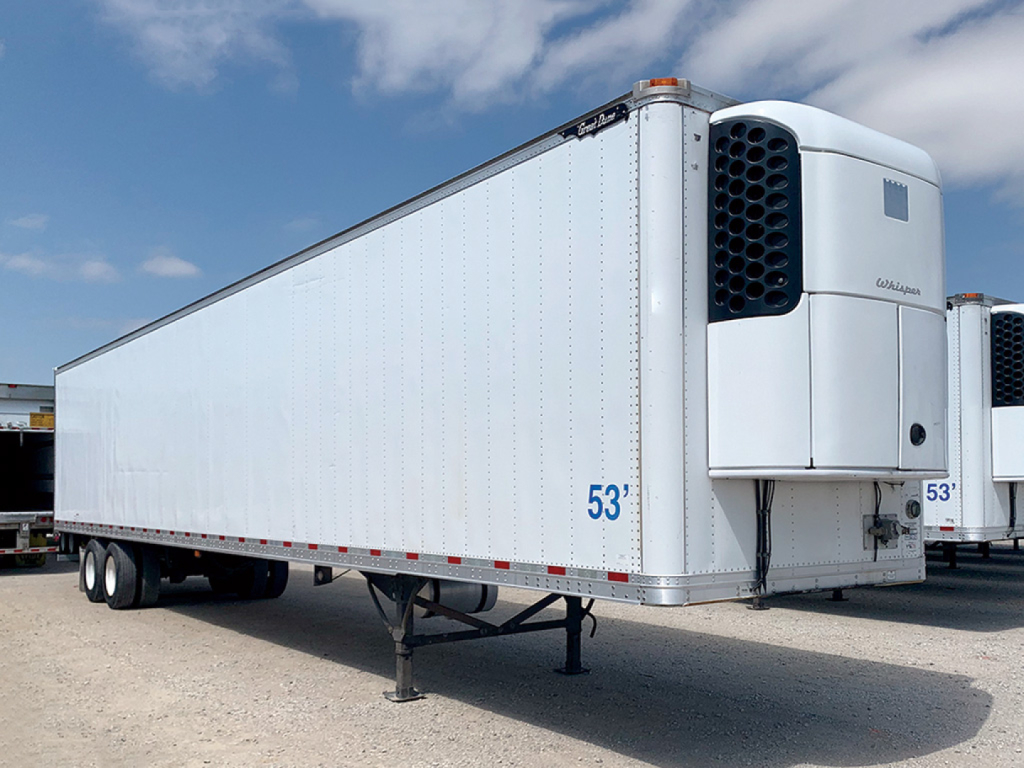
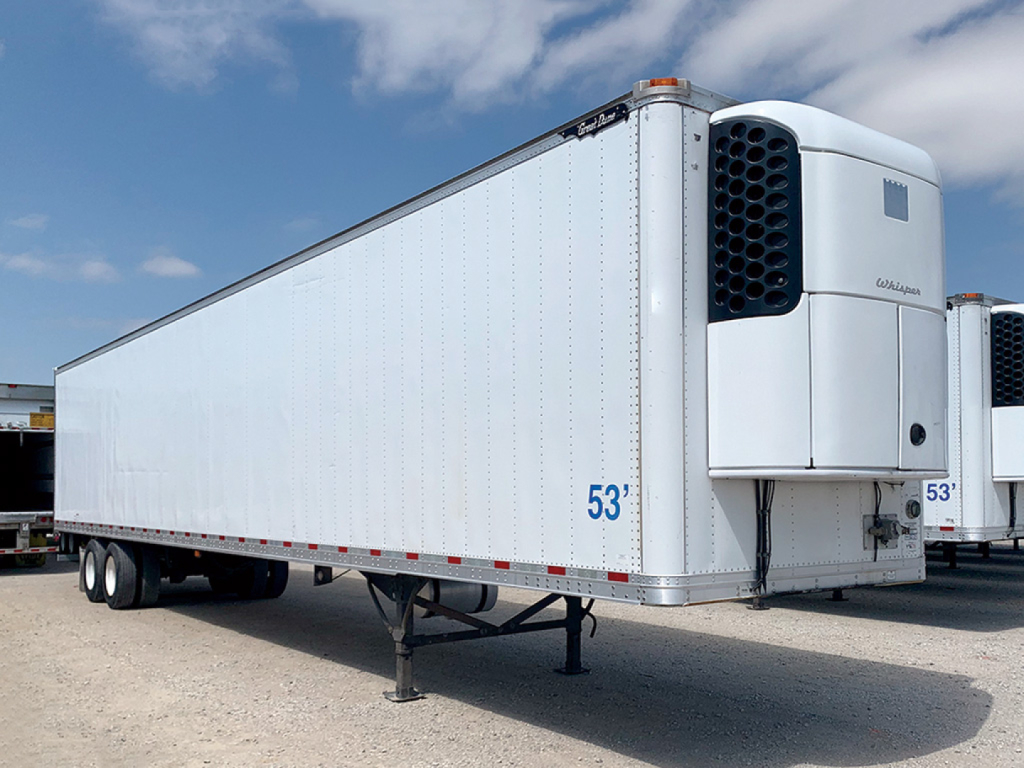
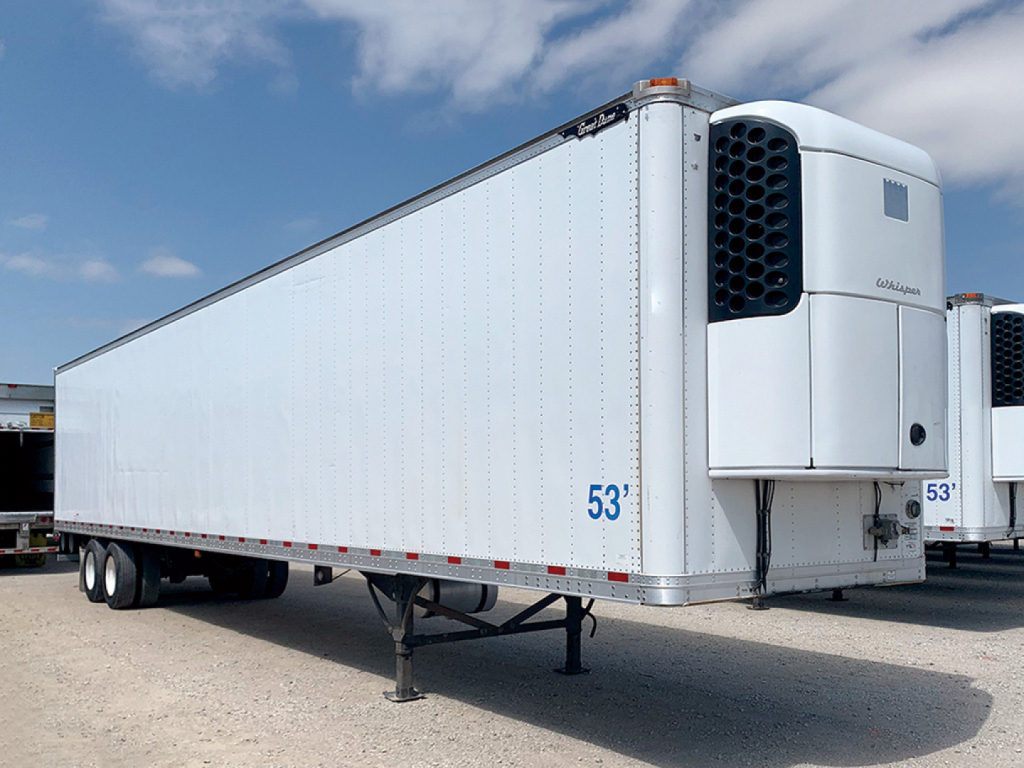

2013 Great Dane Aluminum Reefer
2013 Great Dane Aluminum Reefer
2013 Great Dane Aluminum Reefer
Showing 1 to 28 of 31 results
Selling a great dane reefer trailer? List your great dane reefer trailer for sale and reach thousands of commercial buyers.
Great Dane Reefer Trailers in North Carolina
One of the first buying decisions is single-temp versus multi-temp configuration. A multi-temp Great Dane reefer trailer is built for segregated loads with bulkheads, ducting, and zone control, making it better suited to LTL food distribution and stop-and-go retail delivery. Single-temp trailers are simpler and usually lighter, which can be an advantage for full truckload frozen or chilled freight. Common reefer units include Thermo King and Carrier systems, and buyers should pay close attention to unit hours, maintenance history, fuel system condition, evaporator setup, and controller operation. Features like cold chutes, rear vents, duct floors, aluminum flat floors, scuff liners, threshold plates, and E-track can tell you a lot about the trailer's intended application and how well it will handle pallets, carts, and high-frequency loading.
Great Dane reefers are also known for practical specification choices that affect uptime and operating cost. Air ride suspension is often preferred for sensitive cargo and better ride quality, while spring suspension may still appear on certain delivery applications. Sliding tandems remain important for bridge law compliance and axle flexibility, especially on mixed regional and port-related freight in North Carolina. Tire inflation systems, side skirts, stainless steel door frames, stainless fronts, and quilted stainless swing doors can add durability and fuel-efficiency benefits, but condition matters more than option count on a used reefer. Look closely for floor wear, delamination, moisture intrusion, door seal integrity, front wall damage from shifted freight, and corrosion around the rear frame, drains, and unit mounting area.
For buyers comparing Great Dane models like the Everest CL or older aluminum reefer configurations, interior dimensions and cargo handling details deserve as much attention as the refrigeration unit itself. Inside height affects cube, floor style affects airflow and forklift wear, and door type changes loading speed at docks and on route delivery stops. A duct floor generally supports consistent air circulation under pallets, while a flat floor may fit certain delivery patterns better. If the trailer will run heavy frozen loads, verify insulation condition, return air management, and how quickly the unit maintains setpoint after repeated openings. A well-matched Great Dane reefer trailer should be evaluated as a full cold-chain asset, not just a box with a unit on the nose.
Frequently Asked Questions about Great Dane Reefer Trailers in North Carolina
What should I look for first when buying a used Great Dane reefer trailer?
Start with the refrigeration unit, insulation integrity, and structural condition. Unit hours, service records, controller performance, and evidence of consistent preventive maintenance are critical. Then inspect the trailer body for wall damage, moisture intrusion, floor wear, rear frame corrosion, and door seal condition. On a reefer, cargo protection depends on the box and the unit working together, so a strong refrigeration unit does not make up for a compromised insulated body.
What is the difference between a single-temp and a multi-temp Great Dane reefer trailer?
A single-temp reefer trailer is designed to carry one temperature-sensitive product range across the full trailer. A multi-temp reefer trailer uses compartments, bulkheads, and airflow management to maintain different temperature zones in the same load. Multi-temp setups are common in food distribution with mixed fresh, chilled, and frozen freight, but they add complexity, weight, and more components to inspect and maintain.
Are Great Dane reefer trailers commonly 53 feet long?
Yes. The most common specification in this category is a 53-foot reefer trailer with 102-inch width and 13-foot 6-inch overall height. That size fits standard over-the-road and regional refrigerated freight operations and offers the cube most fleets need for palletized food and beverage loads. Buyers should still confirm inside height, tandem configuration, and axle settings because those details affect payload, compliance, and dock compatibility.
Which floor type is better in a reefer trailer, duct floor or flat floor?
It depends on the freight and delivery pattern. A duct floor helps move cold air evenly beneath pallets and is often preferred for maintaining stable temperatures on full loads. A flat floor can work well in certain route-delivery applications and may be easier for some cargo handling methods, but airflow management becomes more dependent on loading practices. The right choice comes down to the temperature sensitivity of the freight, pallet configuration, and how often the doors are opened.
Why do door style and suspension matter on a refrigerated trailer?
Door style affects loading speed, seal life, and temperature retention. Swing doors often provide a strong seal and full opening for dock work, while roll-up doors can be useful in frequent-stop distribution where fast access matters. Suspension also affects cargo ride quality and trailer longevity. Air ride is generally preferred for more delicate refrigerated freight, while spring suspension may be acceptable in some operations where simplicity and lower upfront cost are priorities.